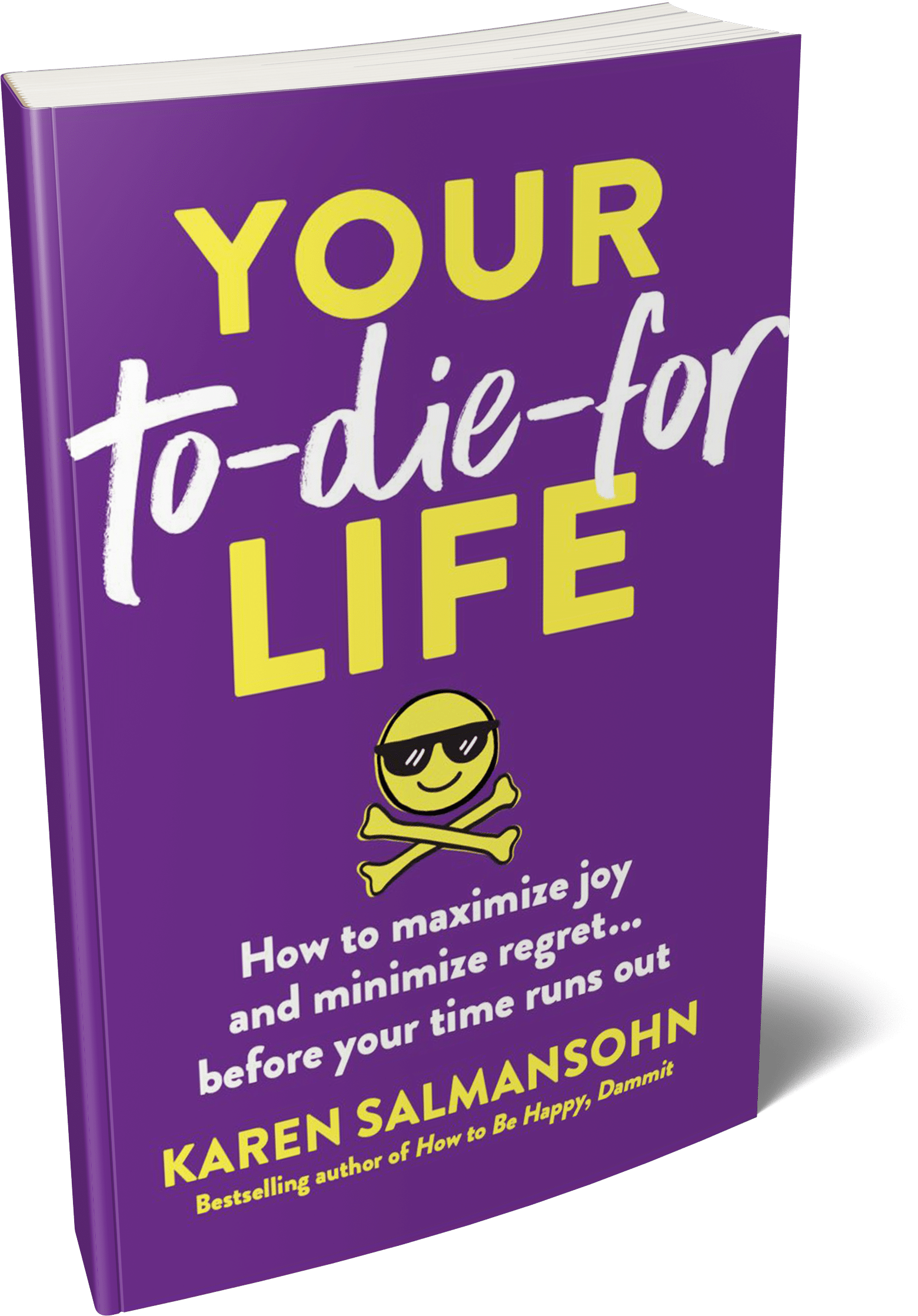

Get A Sneak Peek at my book “Your To-Die-For Life”!
Get a FREE sneak peek! Learn how to use Mortality Awareness as a wake up call to live more boldly.


 Imagine happiness to be a sound for a moment, for many of us it would be silence. The peaceful kind. The moment at night when your brain finally stops replaying conversations from 2017. An uncomfortable truth that is hiding in plain sight: you can’t out-think chronic sleep deprivation.
No amount of positive affirmations can override a nervous system that never truly powers down, either.
Here’s the surprising part: the thing sabotaging your mindset might what you’re sleeping on. It may simply be that your body hasn’t had a truly supportive night in a very long time if happiness feels elusive lately. This realization changes the conversation entirely.
We tend to treat sleep as a kind of moral dessert. Something you earn after being productive enough, disciplined enough, or virtuous enough with your time. Neuroscience tells a very different story. Sleep is the foundation for emotional stability. Emotional regulation improves not because you’re trying harder, but because the systems responsible for impulse control are finally back online. The brain’s fear center quiets down. The parts responsible for reasoning regain authority. Sleep deprivation essentially strips the brain of its emotional shock absorbers. Without adequate rest, the mind has a harder time distinguishing between inconvenience and threat. This is why happiness advice that ignores sleep so often falls flat. Rest is active emotional maintenance.
The cruel irony of nighttime anxiety is that it usually arrives exactly when you’re doing everything “right.” You’re exhausted. Thoughts you didn’t invite start lining up for airtime. Many people assume they’re “overthinking.” at this point, That label sounds accurate because what’s actually happening is hyperarousal. Hyperarousal is a state where the nervous system remains alert even when the body is physically exhausted. Something still feels unresolved from the brain’s perspective. Unsafe. Unfinished. Anxiety spikes because your nervous system is responding exactly as it was designed to respond when it doesn’t feel safe enough to disengage. This loop’s especially vicious due to the fact that sleep deprivation itself increases hyperarousal.
A tired brain has fewer resources for emotional regulation. The night becomes a feedback loop: lack of sleep fuels anxiety, anxiety blocks sleep, and the cycle reinforces itself.The nervous system is running the show here, not the mind.
The crucial insight is your nervous system listens to your environment (temperature, pressure, airflow, physical comfort). Stable environment physically supports the nervous system begins to stand down on its own. This is why changing the conditions around sleep can sometimes succeed where cognitive effort fails.
We usually think of bedding in aesthetic terms. However, your sheets and blankets play a far more powerful role. They influence body temperature, which directly affects nervous system activity. Your core body temperature needs to drop slightly to fall into deep sleep. This cooling process signals the brain that it’s time to rest.
The brain stays semi-alert when that process is interrupted by poor airflow. The next day, the effects linger. Your ability to regulate mood and perspective feels compromised, as if your emotional buffer has shrunk overnight. All unfortunately because your nervous system didn’t get the reset it needed.
Seen this way, bedding becomes part of your emotional infrastructure. It can quietly keep your brain in a low-grade fight-or-flight state all night long when it works against your body’s natural cooling process. Happiness disappears subtly, through irritability when that happens. The powerful shift comes from realizing that this is about physiology. The nervous system finally has permission to stand down when your sleep environment supports temperature regulation instead of interfering with.
There’s a reason everything feels harder after a bad night’s sleep. Research consistently shows that sleep deprivation amplifies negative emotional responses and reduces positive ones. You feel fewer coping resources.This is how thoughts loop longer than they should, catastrophizing outcomes that would normally roll off your back. Food becomes more about soothing, because your nervous system is desperate for regulation wherever it can find it.
Even your sense of humor, the very thing that usually creates distance between you and stress, goes missing first. It can feel alarming, even shame-inducing, to watch this version of yourself show up. Then comes the second layer of suffering: guilt. You know better. Here comes the truth: It’s a biology problem. Exhausted brains are far more likely to interpret the world as hostile even when it isn’t.
One of the most exhausting feelings is knowing what should help and still struggling to make it stick. This is where the idea of a micro-shift becomes essential. A micro-shift is about removing friction from the system you’re already living in. Sleep is one of the most powerful places to do this because it influences everything. Emotional regulation improves automatically when your body sleeps well.
You don’t have to remember to “do” anything once you’re asleep. The environment does the work for you. One of the simplest yet most overlooked ways to support this is by addressing temperature regulation during sleep. The body can complete its nighttime cooling process when your bedding allows heat and moisture to dissipate naturally. Sleep deepens as a result.
This is why brands that focus on breathable fabrics and thoughtful construction are increasingly part of the mental wellness conversation. For example, Doze Bedding provides a soft place to land that proves how temperature-aware design can support better sleep. Good bedding removes one of the biggest obstacles to calmness per day.
Think of quality sleep as emotional insurance. The kind that quietly ensures you’re not emotionally wiped out when something goes wrong. Rests helps our emotional intelligence. The biological support system that enables it is always online. Emotions don’t hijack the entire system. This is especially important for people committed to personal growth, because insight without regulation is exhausting. You can know exactly why you’re triggered and still feel powerless to stop reacting if your nervous system is depleted. Sleep is what makes the tools usable. It’s what allows awareness to translate into behavior. Seen this way, sleep is preparation for tomorrows. Groundedness emerges as a side effect of resilience when sleep works. It functions so much like insurance. You don’t notice its value when things are going smoothly. You notice it when they aren’t and suddenly you realize how much steadier you feel. In a world that constantly tests emotional bandwidth, that may be one of the most underrated forms of self-support we have.
Happiness is a mindset to be mastered. So, we’ve been told but mindset is built on a state. No productivity hack will save youIf your nervous system is fried. Happiness is far more sustainable when your body feels safe, cool, and supported. If you’ve been “doing the work” and still feel like you’re swimming upstream, it may be time to start asking what your sleep environment is quietly doing to your brain. Sometimes, the most powerful mood shift starts somewhere that didn’t cross your mind, your bed.
P.S. Before you zip off to your next Internet pit stop, check out these 2 game changers below - that could dramatically upscale your life.
1. Check Out My Book On Enjoying A Well-Lived Life: It’s called "Your To Die For Life: How to Maximize Joy and Minimize Regret Before Your Time Runs Out." Think of it as your life’s manual to cranking up the volume on joy, meaning, and connection. Learn more here.
2. Life Review Therapy - What if you could get a clear picture of where you are versus where you want to be, and find out exactly why you’re not there yet? That’s what Life Review Therapy is all about.. If you’re serious about transforming your life, let’s talk. Learn more HERE.
Think about subscribing for free weekly tools here.
No SPAM, ever! Read the Privacy Policy for more information.
