 Living with addiction can feel isolating, confusing and exhausting. Many people want to change, but they don’t know what kind of support is available or whether they should begin. Addiction is closely connected to mental health, daily habits, stress and emotional well-being. The good news is that support comes in many forms and no single path works for everybody. Below are ten types of support that you can access to help you to move towards a healthier, more balanced life.
Professional treatment programs.
Structured treatment programs can provide a safe and supportive place to begin recovery. Options can include outpatient care, residential programs, or medically supervised services such as drug rehab. These programs often combine counselling, education, and emotional support with structure to help people to stabilize and learn healthier coping skills. They can be especially helpful for those who feel overwhelmed or stuck and need clear guidance.
Individual therapy or counselling.
One-on-one therapy allows you to explore the deeper reasons behind substance abuse, which is often helpful to get in front of it. A licensed therapist can help you to work through anxiety, depression, trauma or stress that may be driving addictive behaviour. Therapy can also help to build emotional awareness and teach healthier ways to handle difficult feelings. It may take some time, but people find that they gain their confidence, clarity, and a stronger sense of self once more.
Group support meetings.
Group therapy is more helpful than people think. They offer a sense of connection and understanding that can be hard to find elsewhere. Listening to others share similar struggles can reduce shame and remind you that you’re not alone. These groups may follow structured programs or be more open and discussion based. The shared experience often builds accountability and motivation while creating a strong sense of belonging. Sometimes you need that shoulder to shoulder, like for like problem solving to be able to believe that you have a problem in the first place that requires addressing. Seeing other people in the same boat as you can make all the difference to the way that you seek help and get therapy that you need.
Family and friends.
Support doesn’t only come from professionals. Family members, partners and close friends can play an important role in recovery. Honest conversations, healthy boundaries and emotional encouragement can make a big difference. When loved ones are educated about addiction, they are better able to offer understanding rather than judgement. In some cases, family counseling can help repair trust and improve communication. With your family and friends surrounding you, you’ll feel more supported and more loved, and that can often be what you need to feel pushed towards counselling.
Mental health care.
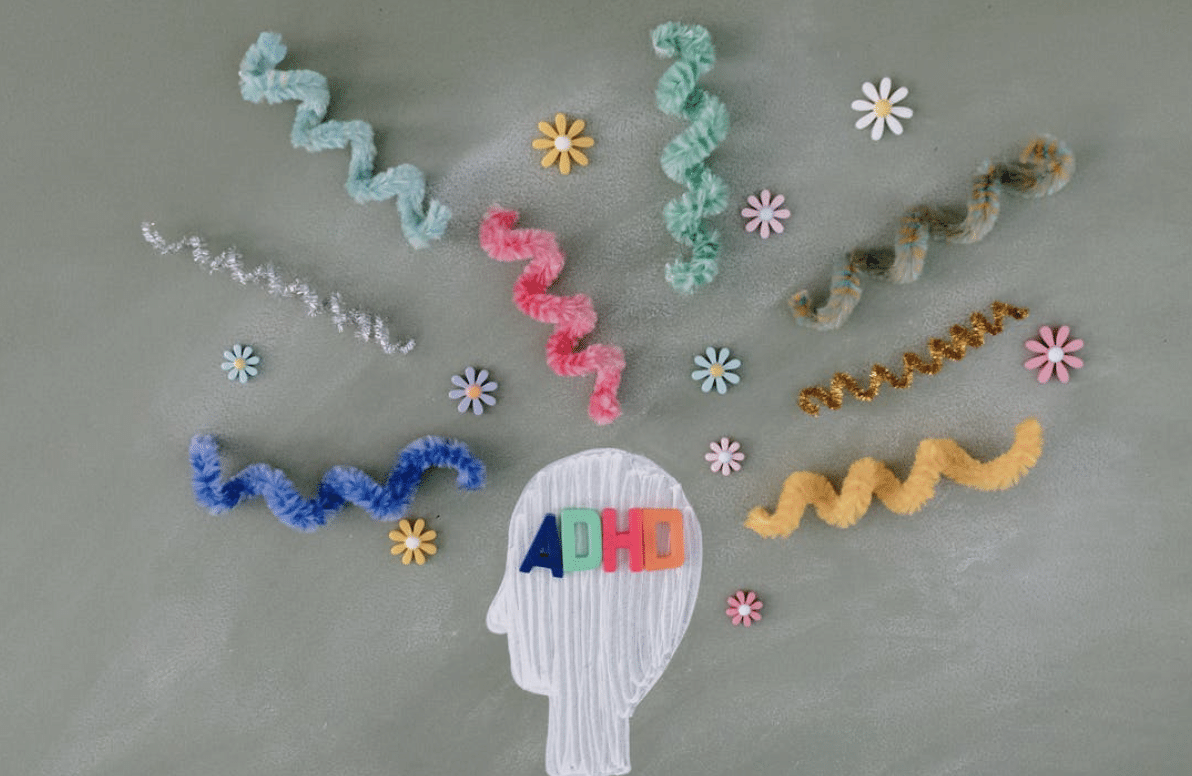
Addiction and mental health are deeply connected addiction is not a moral failure, it’s a mental health issue conditions like anxiety, depression, ADHD, or unresolved trauma often go hand in hand with substance use. Getting the proper mental health care that you need can reduce your cravings and emotional triggers. This can include therapy, stress management techniques, or medication when appropriate. When you treat mental health alongside addiction, you support long time healing rather than short term change.
Lifestyle, Wellness and support.
Daily habits have a powerful effect on your recovery. Wellness support focuses on improving your sleep, your access to good nutrition, movement, and stress management. Eating balanced meals, going for regular walks or practising relaxation techniques may not sound like something you need to do, but it can improve your mood and your energy. A healthier lifestyle supports emotional balance and reduces the urge to rely on substances for relief.
Peer recovery coaching.
Pay recovery coaches are people who have personal experience with addiction and recovery. They offer guidance, encouragement, and practical advice based on real life understanding. Peer support can feel less formal and intimidating than therapy, while still being deeply helpful. Coaches can often help with goal setting, problem solving, and staying motivated during challenging moments. With peer help, you can feel more emboldened to do more because you can see yourself stepping into their shoes one day. That in itself can be enough to help you with your recovery and propel you forward towards coming out of the other side of addiction.
Educational resources and skill building.
Learning about addiction can be very empowering. Understanding the why behind it when it’s not something you necessarily want to continue with but don’t know how to stop makes it much easier to understand yourself. Educational workshops, books, podcasts or online resources help to explain how addiction affects the brain. Skill building programs can teach you stress management, emotional regulation, or communication skills. The more that you understand your patterns, the easier it becomes to make informed, healthier choices.
Community and social support.
Isolation can make addiction much worse. Building a supportive social network is a key part of recovery. This may include community centres, faith-based groups, hobby clubs or volunteer opportunities. Positive social connections provide purpose, routine, and a sense of belonging, and spending time with people who support your well-being can help replace unhealthy patterns with meaningful activities.
Self compassion and personal commitment.
One of the most important supports comes from within. Recovery is not about being perfect, it’s about progress and pushing yourself forward even when the days feel difficult. Practising self compassion helps you to stay motivated even when those setbacks happen. Personal commitment means showing up for yourself every day, even in the smallest of ways. Setting simple daily goals can help you to stay connected to your reasons for change.
Support for addiction is not a one-size-fits-all solution. Most people benefit from a combination of emotional, professional and lifestyle based support. What matters most is finding what works for you and being open to help. Recovery is a journey that involves mental health, daily habits and personal growth and with the right support in place, change becomes more possible and life can begin to feel more balanced, hopeful and.
P.S. Before you zip off to your next Internet pit stop, check out these 2 game changers below - that could dramatically upscale your life.
1. Check Out My Book On Enjoying A Well-Lived Life: It’s called "Your To Die For Life: How to Maximize Joy and Minimize Regret Before Your Time Runs Out." Think of it as your life’s manual to cranking up the volume on joy, meaning, and connection. Learn more here.
2. Life Review Therapy - What if you could get a clear picture of where you are versus where you want to be, and find out exactly why you’re not there yet? That’s what Life Review Therapy is all about.. If you’re serious about transforming your life, let’s talk. Learn more HERE.
Think happier. Think calmer.
Think about subscribing for free weekly tools here.
No SPAM, ever! Read the Privacy Policy for more information.
One last step!
Please go to your inbox and click the confirmation link we just emailed you so you can start to get your free weekly NotSalmon Happiness Tools! Plus, you’ll immediately receive a chunklette of Karen’s bestselling Bounce Back Book!


