 If you’ve been feeling bloated, sluggish, breakout-prone, low in energy, easily irritated, or just mildly betrayed by your digestive system, then it’s a pretty safe bet that your gut is trying to get your attention, right? And honestly? It deserves it.
Your gut does a ridiculous amount of behind-the-scenes work: digesting food, powering your immune system, balancing hormones, protecting your mood, regulating inflammation, and basically acting as the body’s busiest employee.
Yet most of us treat it like an afterthought until something goes wrong.
Some people think gut health is little more than the latest wellness trend, but it is actually much more than that. It’s one of the most important foundations of feeling good in your body. When your gut is balanced, so many other things fall into place. When your gut is struggling, everything feels harder, from sleep to stress to skin to energy.
So, let’s talk about gut health and what you can do to support it right now, so that it can support you.
Your Gut: The Overworked, Under-Thanked Hero of Your Body
Your gut isn’t just a stomach. It’s an entire ecosystem in its own right. Trillions of bacteria, enzymes, and chemical messengers work together in a bustling microbiome that influences your whole body.
When your gut is balanced, you feel:
- Energized
- Clear-headed
- Less bloated
- More regular
- Emotionally steadier
- Less inflamed
- More resilient
When it’s not balanced, you might deal with:
- Gas and bloating
- Constipation or diarrhea
- Fatigue
- Skin problems
- Mood swings
- Food sensitivities
- A weakened immune system
And this is where supporting gut health becomes less about “avoiding junk food” and more about giving your microbiome the environment it needs to thrive.
Start With Fiber (It’s Your Gut’s Favorite Food Group)
Fiber is the ultimate gut VIP. It acts like fuel for your good bacteria, helping them multiply and do their job. Without enough fiber, your gut bacteria get bored, underfed, and cranky.
Ideally, you should try to aim for a mix of:
- Fruits
- Vegetables
- Whole grains
- Legumes
- Nuts and seeds
You don’t need to become a salad-every-day person (unless you want to). Just add fiber where you can: throw chia seeds on yogurt, swap white rice for brown, add beans to dinner, snack on fruit. Little changes add up fast.
Embrace Fermented Foods For a Boost of Good Bacteria
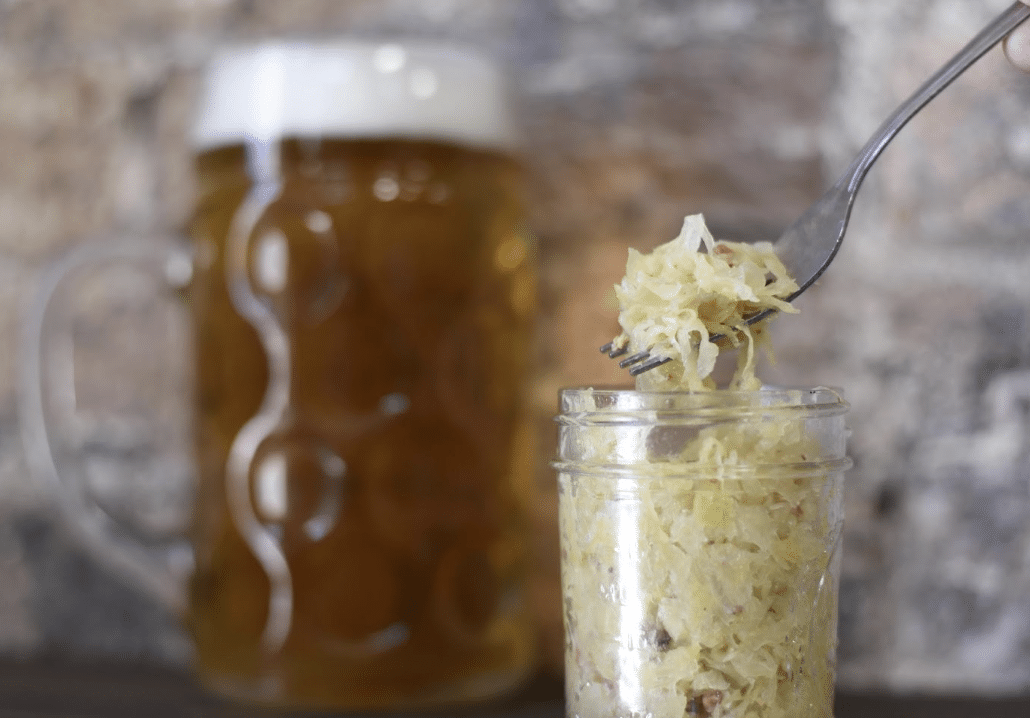
Fermented foods are basically probiotics in delicious disguise. They help diversify your microbiome, support digestion, and boost immunity.
Try adding small amounts of:
- Yogurt
- Kefir
- Kimchi
- Sauerkraut
- Miso
- Kombucha
- Tempeh
You don’t need a fermentation fridge or a sourdough starter named “Greg.” Just one serving a day can make a difference, so you don’t really have any excuse not to add more fermented foods to your life.
Choose Probiotics Wisely (Because Not All Are Created Equal)
Probiotics can be amazing, but walking down the supplement aisle is like entering the multiverse of bacteria marketing. You want strains that are actually researched, stored properly, and relevant to your needs.
If you’re dealing with specific medical conditions (like autoimmune issues or chronic inflammation), doctors sometimes explore targeted probiotic plans or even treatments designed for underlying conditions. For example, patients managing immune-related kidney conditions might discuss specialized options such as IgAN therapies with their healthcare provider. While that isn’t something the average person needs to think about, it’s a reminder that gut and immune health are deeply connected, and worth understanding.
For day-to-day support, stick to reputable probiotic brands and look for strains like Lactobacillus and Bifidobacterium.
Hydration is Simple (But Shockingly Effective)
Your digestive system needs water to move things along. When you’re dehydrated, everything slows down, quite literally.
If you struggle with drinking enough, try:
- Starting your day with a big glass
- Keeping a water bottle nearby
- Adding fruit for flavor
- Drinking herbal teas
- Tracking your daily intake
Your gut will thank you in return by functioning like the efficient machine it wants to be.
Reduce Stress Because Your Gut Absolutely Feels It
Ever heard of “gut instinct”? That’s not a metaphor. Your gut and brain talk constantly. When you’re stressed, anxious, overwhelmed, or emotionally stretched thin, your gut reacts.
Stress can change your microbiome, slow digestion, increase inflammation, and trigger discomfort. So try to do one thing every day to reduce your stress levels. It could be something as simple as:
- Breathwork
- Meditation
- A short walk
- Listening to music
- Stretching
- Journaling
- Sitting in silence
- Reading before bed
Your gut loves calm. Give it some.
Sleep Like You Mean It
Poor sleep affects everything, but gut health takes a big hit. A lack of sleep can:
- Increase inflammation
- Disrupt your microbiome
- Slow digestion
- Affect hunger hormones
Aiming for 7–9 hours isn’t about being “perfect”, but rather giving your gut the best possible chance of restoring itself.
If you find it tricky to get enough sleep, try setting a bedtime routine: dim lights, reduce screens, stretch, drink herbal tea, get cozy. Create a ritual that makes sleep feel like a treat instead of an obligation.
Don’t Forget Healthy Fats
Gut-friendly fats feed your microbiome, reduce inflammation, and help your body absorb nutrients.
Easy sources:
- Avocado
- Olive oil
- Salmon
- Nuts
- Flaxseed
- Chia seeds
Add them to meals like you’re seasoning your life with glow and nourishment.
Move Your Body (Gently Counts Too)
Exercise doesn’t just help your mood; it improves your gut bacteria diversity and digestion. You don’t need intense workouts. Even gentle movement works wonders.
Try:
- Walking
- Yoga
- Light strength training
- Cycling
- Stretch sessions
Think of movement as giving your gut a gentle massage from the inside out.
Support Your Gut When It’s Upset – Don’t Ignore Symptoms
If you regularly struggle with bloating, pain, sensitivity, or unpredictable digestion, take it seriously. Chronic gut discomfort isn’t something you’re meant to “just push through.”
It’s perfectly okay, and smart, to see a doctor, especially if symptoms are long term. Some conditions require specific diets, testing, or medical support.
Supporting gut health is about understanding what’s normal for your body, and getting help when things feel off.
P.S. Before you zip off to your next Internet pit stop, check out these 2 game changers below - that could dramatically upscale your life.
1. Check Out My Book On Enjoying A Well-Lived Life: It’s called "Your To Die For Life: How to Maximize Joy and Minimize Regret Before Your Time Runs Out." Think of it as your life’s manual to cranking up the volume on joy, meaning, and connection. Learn more here.
2. Life Review Therapy - What if you could get a clear picture of where you are versus where you want to be, and find out exactly why you’re not there yet? That’s what Life Review Therapy is all about.. If you’re serious about transforming your life, let’s talk. Learn more HERE.
Think happier. Think calmer.
Think about subscribing for free weekly tools here.
No SPAM, ever! Read the Privacy Policy for more information.
One last step!
Please go to your inbox and click the confirmation link we just emailed you so you can start to get your free weekly NotSalmon Happiness Tools! Plus, you’ll immediately receive a chunklette of Karen’s bestselling Bounce Back Book!


