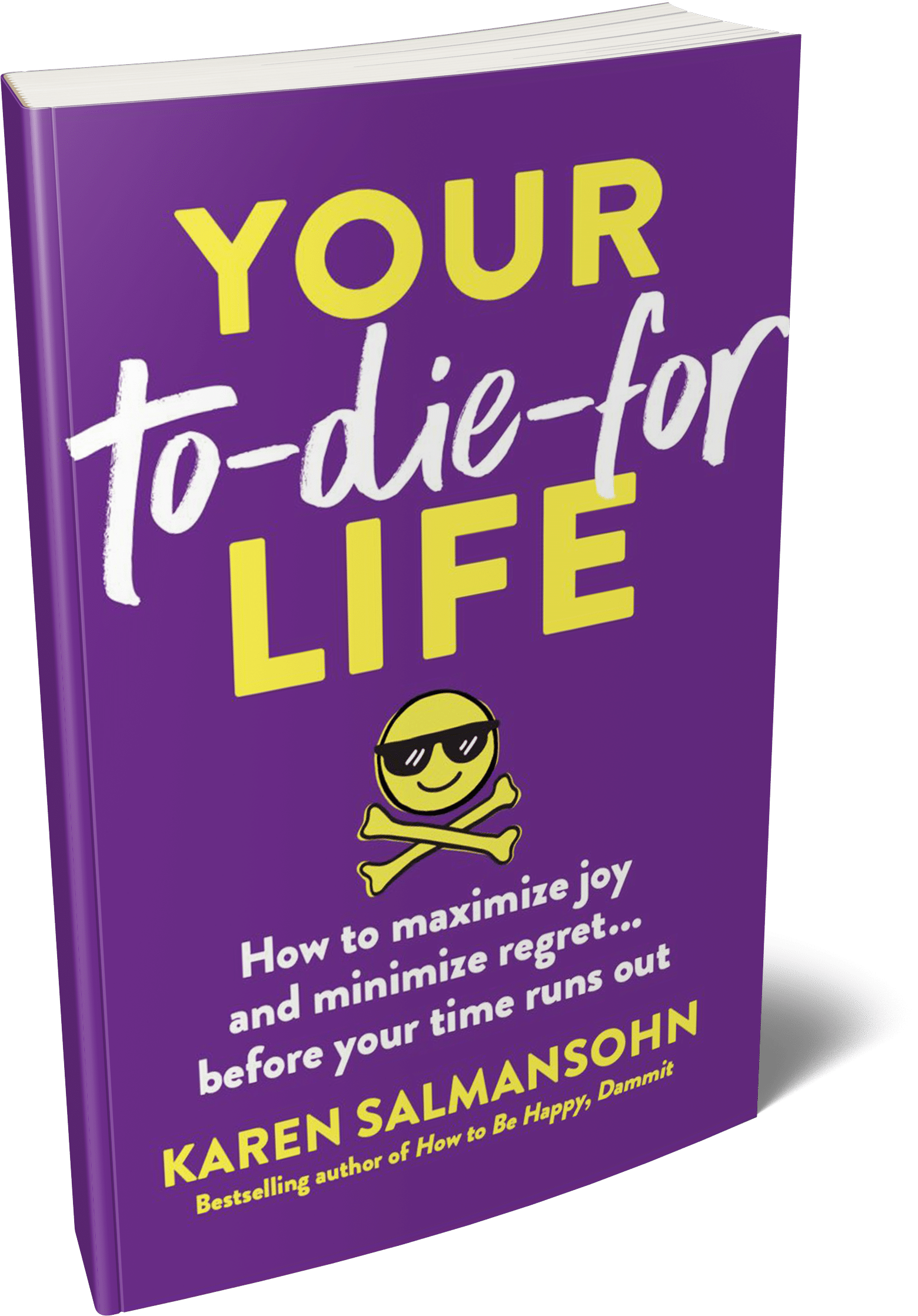

Get A Sneak Peek at my book “Your To-Die-For Life”!
Get a FREE sneak peek! Learn how to use Mortality Awareness as a wake up call to live more boldly.


 Most of us take our eyesight for granted until something starts to feel off. Maybe it’s a little blurriness, a dull ache, or a sudden flash of light you can’t explain. We assume it’s just fatigue, too much screen time, or not enough sleep. But in many cases in Los Angeles, these small signs are your eyes asking for help.
You should know that the eyes are among the most sensitive organs in the body, and they rarely heal themselves without proper attention. Knowing when to see an eye specialist can make the difference between temporary irritation and long-term damage.
Dive into the article!
If your world is starting to look slightly out of focus, it’s time to pay attention. Occasional blurriness after long work hours is normal. But if it happens often or gets worse with time, it could point to conditions like:
Blurry vision might also signal changes in blood sugar levels or dry eye syndrome. It’s best not to assume that a new pair of glasses will fix the issue. Regular eye exams help identify the real cause early and ensure your eyes stay in good shape.
Ultimately, clear vision isn’t just about comfort — it’s about protecting one of your most important senses.
Eye pain is never something to ignore. While mild fatigue is common, persistent soreness or sharp pain can signal something more serious. For example,
If your eyes often feel strained, red, or achy after simple tasks, it’s best to get them checked by a reputable Los Angeles eye doctor such as Dr. Maloney at the Maloney-Shamie-Hura Vision Institute. With decades of expertise in diagnosing and treating complex eye conditions, specialists like him can pinpoint underlying causes that general care might overlook.
Last but not least, remember that over-the-counter drops can temporarily ease dryness but won’t solve deeper issues. Professional evaluation, in such cases, ensures you get the right diagnosis and the best treatment plan for long-term relief.
If you find yourself squinting under regular lighting or reaching for sunglasses more often than usual, your eyes could be reacting to inflammation or corneal damage. Light sensitivity or photophobia is a common sign of irritation, infection, or even early migraine symptoms.
Did you know your eyes have built-in filters that adapt to changing light? When those filters aren’t functioning properly, discomfort is the first sign. Protecting your eyes with polarized lenses, using screen filters, and reducing glare can help. But if sensitivity worsens, visit an eye specialist to rule out deeper issues.
Seeing small dark shapes drifting across your vision is common, especially as you age. However, a sudden increase in floaters, flashing lights, or blurred patches could indicate something more serious — like retinal detachment or internal bleeding.
Think of it as your eye’s early warning system. If you experience sudden flashes of light or feel like a dark curtain is blocking part of your sight, seek medical care immediately. Specialists use advanced imaging to diagnose and treat retinal problems before permanent damage occurs. Quick action can save your sight — literally.
Occasional redness after a long day or exposure to dust is normal, but persistent irritation or unusual discharge may point to infection or allergy. Conjunctivitis, for example, can start mildly but worsen quickly if untreated.
Avoid rubbing your eyes — it only spreads bacteria or worsens irritation. Instead, clean them gently with sterile wipes, avoid expired eye products, and schedule an exam if redness doesn’t clear within a few days. The sooner you act, the faster you recover without complications.
Finding the right eye specialist is just as important as recognizing the symptoms themselves. You want someone who not only diagnoses problems but also helps you maintain your long-term vision health.
Here are a few things to look for when choosing the right eye doctor:
Your eyes are your window to the world — and they deserve attention, not neglect. Subtle symptoms like blurriness, redness, or strain may seem minor but could hint at underlying issues that only a professional can detect.
By recognizing early warning signs and keeping up with regular checkups, you’re investing in a lifetime of clear vision. After all, seeing clearly isn’t just about eyesight — it’s about how you experience life itself.
P.S. Before you zip off to your next Internet pit stop, check out these 2 game changers below - that could dramatically upscale your life.
1. Check Out My Book On Enjoying A Well-Lived Life: It’s called "Your To Die For Life: How to Maximize Joy and Minimize Regret Before Your Time Runs Out." Think of it as your life’s manual to cranking up the volume on joy, meaning, and connection. Learn more here.
2. Life Review Therapy - What if you could get a clear picture of where you are versus where you want to be, and find out exactly why you’re not there yet? That’s what Life Review Therapy is all about.. If you’re serious about transforming your life, let’s talk. Learn more HERE.
Think about subscribing for free weekly tools here.
No SPAM, ever! Read the Privacy Policy for more information.