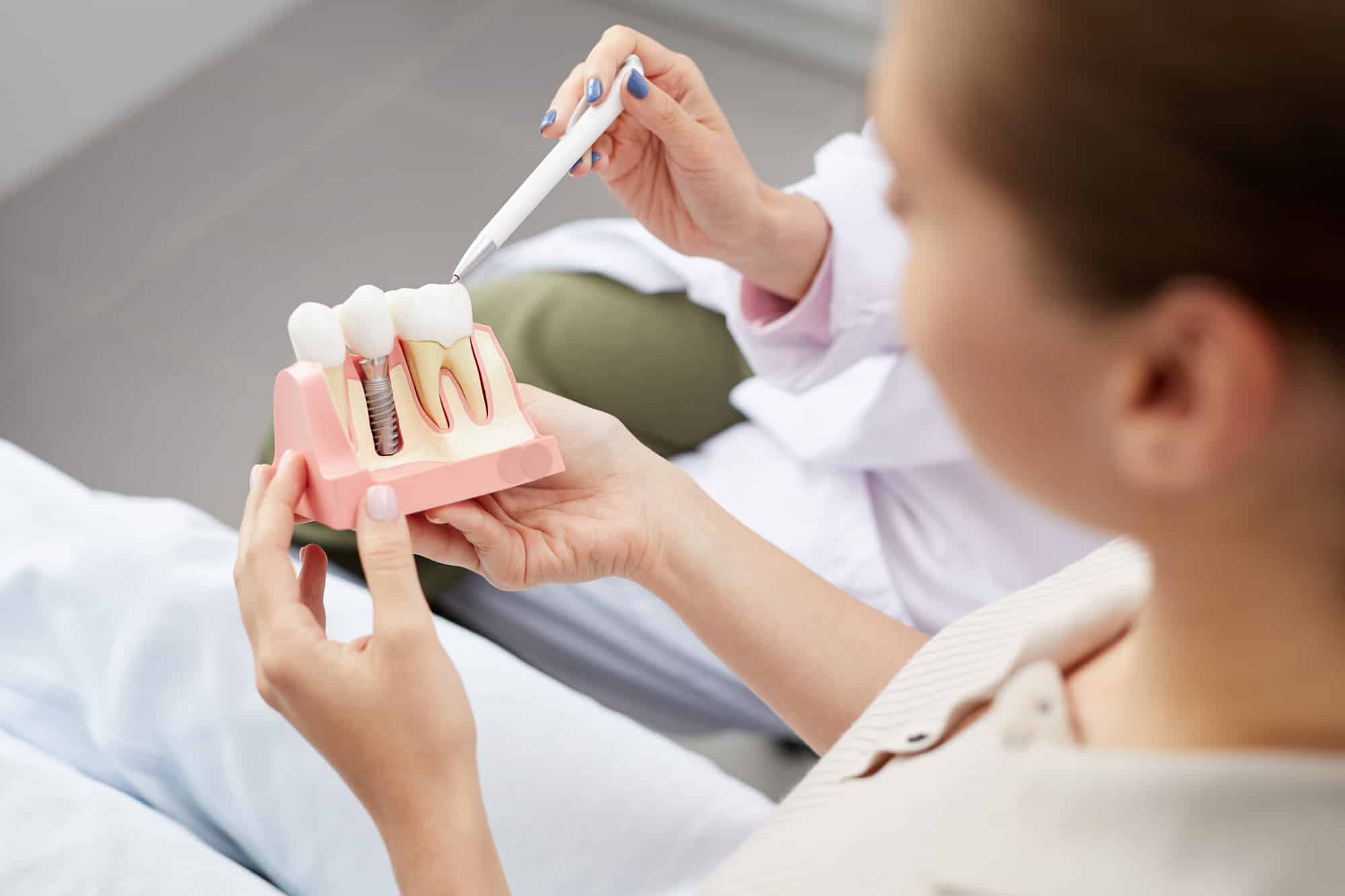
 Tooth pain often starts as mild discomfort but can quickly turn severe. Waiting too long can make the problem worse. Infections that begin in a single area may spread and cause swelling, fever, or difficulty eating. Acting early helps prevent more serious issues and keeps treatment simpler. Professional help is important when swelling or sharp pain develops, even if it eases on its own later.
Here’s what you need to know about handling discomfort wisely, when to seek urgent help, and what to expect from treatments that relieve pain and stop infection before it becomes dangerous:
Recognize the Early Signs of a Problem
Noticing changes early can help prevent severe problems. Look for throbbing pain, lingering sensitivity to hot or cold drinks, or swelling near the jaw. A sudden bad taste in the mouth may signal an infection. Keep track of when the discomfort began and how it changes throughout the day. A short note on pain patterns helps a professional decide on the right treatment. Avoid chewing hard food on the sore side to limit stress and reduce further irritation. Taking action quickly keeps small issues from turning into something that needs complex procedures.
Why Professional Care Is Essential for Infected Teeth
Attempting to pull an infected tooth at home is dangerous. Infections beneath the surface can spread into the jaw, bloodstream, or even vital organs if not treated properly. A qualified dentist can examine the area with X-rays, drain any abscess safely, and use prescribed medicine when needed. They also choose the right method, such as abscessed tooth extraction, only when it is the safest solution. This careful process helps prevent severe pain, keeps infection from spreading, and supports faster recovery compared to self-treatment.
Manage Pain Before Your Appointment
Until you reach a professional, you can ease discomfort with simple steps. Over-the-counter pain relievers can help reduce pain and swelling. A cold compress held on the cheek for short periods may calm the area. Avoid very hot or very cold foods and drinks, which can trigger sharp sensations. Choose soft meals like yogurt or cooked vegetables to prevent extra pressure on the sore spot. Avoid chewing near the problem area. These measures keep discomfort manageable while you arrange the right treatment without worsening the condition.
Protect the Affected Area at Home
Gentle cleaning supports comfort while you wait for treatment. Rinse with warm salt water a few times a day to help limit bacteria. Brush carefully with a soft-bristled brush, staying away from vigorous scrubbing that can irritate sensitive tissue. Do not try to remove food with sharp tools or hard flossing, which can cause bleeding or spread infection. Keeping the area clean, without rough contact, helps reduce irritation and makes professional treatment more straightforward once you arrive at the clinic.
Understand Common Treatments for Pain Relief
Professional treatments vary depending on the problem. For decay or smaller cavities, a filling may stop discomfort. If the infection reaches deeper layers, a root canal can clean and seal the area. In other situations, a crown may protect a weakened structure. The chosen method depends on X-rays and a full exam. Each option focuses on stopping pain, removing infection, and protecting surrounding tissue. Getting prompt, skilled treatment lowers the chance of future complications and supports a steady recovery.
Learn How Infections Can Affect Whole-Body Health
Infections that start in one part of the mouth can reach other systems if ignored. Harmful bacteria may spread through the bloodstream, increasing the chance of heart issues or respiratory problems. People with conditions like diabetes face even higher risks. Early treatment and regular professional checks help limit these complications. Keeping the area clean and following aftercare instructions also lowers the chance of recurring infections. By treating the root cause and not just the pain, you protect overall wellness and reduce the chance of needing complex treatments later.
Make Follow-Up Care a Priority
Treatment does not end when the pain stops. Follow-up visits let your provider check healing and spot any new concerns. They may clean the area again, adjust a filling or crown, or take another X-ray to confirm progress. Skipping these visits can allow hidden problems to return. If medication was prescribed, finishing the full course is vital even if you feel better. Keeping these appointments and following instructions helps avoid repeat infections and supports lasting comfort. This simple step protects both your immediate recovery and long-term oral strength.
Build Daily Habits to Prevent Future Pain
Daily habits play a key role in avoiding future discomfort. You should brush your teeth twice or thrice a day with fluoride toothpaste and floss gently to remove food particles. Limit sugary drinks and snacks that feed harmful bacteria. Drink plenty of water to keep your mouth moist and help wash away debris. Schedule routine exams so small problems are caught early. If you clench your jaw at night, consider using a mouth guard to prevent damage. These steady habits reduce the chance of infections and make any future treatments simpler and less invasive.
Plan Financially and Use Dental Insurance Wisely
Unexpected pain can lead to unexpected expenses. Review your insurance policy to understand what emergency visits and treatments it covers. Some providers offer payment plans or memberships that reduce overall costs. Setting aside a small monthly amount in a savings account can help manage sudden expenses without stress. Comparing prices for non-emergency treatments and choosing in-network providers may also lower your bill. Planning ahead provides peace of mind and lets you focus on treatment and recovery instead of worrying about finances when urgent care is needed.
Quick action is the best defense against tooth pain and infection. Recognizing early signs, seeking skilled help, and following aftercare instructions all reduce risks. From immediate pain management to professional treatments, each step protects you from serious complications. Consistent daily habits and routine checkups help stop problems before they grow. Financial preparation also removes barriers to care. Acting promptly and staying consistent with follow-ups keeps your teeth strong and lowers the chance of future emergencies, giving you lasting comfort and confidence in your oral well-being.
P.S. Before you zip off to your next Internet pit stop, check out these 2 game changers below - that could dramatically upscale your life.
1. Check Out My Book On Enjoying A Well-Lived Life: It’s called "Your To Die For Life: How to Maximize Joy and Minimize Regret Before Your Time Runs Out." Think of it as your life’s manual to cranking up the volume on joy, meaning, and connection. Learn more here.
2. Life Review Therapy - What if you could get a clear picture of where you are versus where you want to be, and find out exactly why you’re not there yet? That’s what Life Review Therapy is all about.. If you’re serious about transforming your life, let’s talk. Learn more HERE.
Think happier. Think calmer.
Think about subscribing for free weekly tools here.
No SPAM, ever! Read the Privacy Policy for more information.
One last step!
Please go to your inbox and click the confirmation link we just emailed you so you can start to get your free weekly NotSalmon Happiness Tools! Plus, you’ll immediately receive a chunklette of Karen’s bestselling Bounce Back Book!


