Modern healthcare is evolving toward a more complete understanding of wellness. Rather than focusing solely on physical symptoms, providers are viewing patients as whole individuals whose emotional, mental, and social health all matter just as much. As such, this has redefined what it means to deliver care, placing equal value on compassion, communication, and coordination.
Across hospitals and clinics, this mindset is reshaping how professionals approach treatment. Holistic care brings together medical science and human connection, helping people heal more effectively and sustainably.
Integrating Leadership Within Patient Care
Strong leadership is the basis of effective, holistic care. Leaders in healthcare guide teams through complex systems, promote collaboration, and model empathy in action. Their decisions influence not just policies but also how care is delivered to patients on a personal level. When leadership encourages inclusion, accountability, and compassion, it creates an environment where whole-person healing can thrive.
Nurses demonstrate this kind of leadership every day. Their influence reaches far beyond bedside care, extending into coordination, advocacy, and education. Many advance their roles through higher education, developing the ability to design, implement, and assess care strategies that meet the full spectrum of patient needs. Advanced training gives them the tools to lead with confidence in both clinical and community settings.
Higher degrees play a crucial role in that progression. The distinction between DNP vs PhD nursing highlights how professionals can shape healthcare differently. A Doctor of Nursing Practice (DNP) degree emphasizes practical leadership and evidence-based application in clinical environments. A PhD in Nursing focuses on research, discovery, and academic advancement. Both pathways are essential to holistic care; one drives better patient outcomes on the ground, while the other pushes the science of care forward for the future.
Mind-Body Connections in Preventive Medicine
Health is rarely confined to one part of the body. The connection between mental and physical wellness is now a major focus in preventive care. Providers recognize that unmanaged stress, anxiety, or emotional strain can trigger or worsen physical illness.
More clinics are introducing mindfulness-based programs, stress management resources, and lifestyle counseling to strengthen this connection. Encouraging balance through meditation, quality sleep, and emotional awareness reduces the likelihood of chronic disease and builds resilience. Preventive medicine rooted in mind-body awareness helps patients maintain stability before problems ever appear.
Bridging Physical and Emotional Health in Treatment Plans
Holistic care depends on treating physical and emotional health as equally important. A patient’s state of mind often influences recovery speed, energy levels, and willingness to follow through with treatment. Medical teams are now integrating emotional support into clinical plans to create more complete paths toward healing.
This integration might include counseling, peer support groups, or relaxation techniques that complement medical treatment. As a result, patients report higher satisfaction and improved recovery outcomes.
Building Trust Through Deeper Patient Relationships
Trust shapes how patients experience care. When people feel understood and respected, they’re more likely to communicate openly and follow treatment advice. Building that trust requires genuine listening, consistent follow-up, and clear explanations that empower patients to make informed choices.
Healthcare professionals are placing more emphasis on relationship-building than ever before. Training programs now focus on empathy, active communication, and shared decision-making. A trusting relationship transforms healthcare from a transaction into a collaboration.
Addressing Mental Health as Part of Every Care Plan
Every aspect of health is connected, and mental wellness is no exception. Modern care plans increasingly include mental health screenings, counseling referrals, and behavioral health integration. Providers understand that treating the body without considering the mind leaves gaps in care that affect recovery and overall well-being.
Collaborative teams that include nurses, psychologists, and social workers are leading this shift. They design care strategies that support emotional balance and normalize conversations about mental health. Patients benefit from this openness, gaining access to support that feels natural rather than clinical or stigmatized.
Nutrition and Lifestyle Guidance in Patient Recovery
Recovery extends well beyond prescribed medication or therapy sessions. What people eat, how they move, and the routines they maintain all influence how quickly they heal. Nutrition and lifestyle choices play an essential role in supporting recovery and preventing relapse. A growing number of providers now include dietitians, health coaches, and wellness counselors in treatment teams to give patients more complete guidance.
For instance, planning balanced meals or setting realistic activity goals empowers patients to take control of their progress. Such conversations also create accountability and confidence. When healthcare teams focus on habits and daily routines, recovery becomes more sustainable, helping patients stay healthy long after leaving the hospital or clinic.
Education Empowering Patients Toward Self-Management
Knowledge gives patients power. When individuals understand their conditions and treatment options, they can make decisions that align with their goals and lifestyles. Holistic care emphasizes this kind of education, turning patients into active participants rather than passive recipients.
Health systems are introducing digital platforms, community classes, and one-on-one consultations to expand learning opportunities. Patients who know what to expect are less anxious, more compliant with care plans, and better equipped to manage chronic conditions. Education transforms healthcare from a service into a partnership, where both sides contribute to long-term well-being.
Data and Research Guiding Holistic Health Outcomes
Modern healthcare thrives on evidence. Data-driven insights help professionals refine holistic approaches and measure what truly works. Information gathered from patient outcomes, treatment responses, and satisfaction surveys supports ongoing improvement. Research also validates the effectiveness of integrative methods, helping them gain recognition in both clinical and academic spaces.
Technology now allows faster analysis and more accurate predictions. Electronic health records and patient-tracking tools provide valuable feedback, showing how different care combinations affect recovery rates. When used thoughtfully, data strengthens human-centered care rather than replacing it. Research and analytics give holistic healthcare a solid foundation that balances science with compassion.
Redefining Success in Healthcare Through Patient Experience
Success in healthcare is no longer measured only in lab results or recovery times. Patient experience has become just as important, reflecting how individuals feel throughout their care journey. Factors like communication, comfort, and trust are now seen as indicators of quality.
Organizations that prioritize patient experience tend to see stronger engagement and better health outcomes. When people feel supported and valued, they’re more likely to follow through with recommendations and maintain healthier lifestyles. This shift redefines what it means to “get better,” moving from isolated treatment outcomes to a broader sense of wellness and satisfaction.
Holistic care models are transforming how healthcare operates and how patients experience healing. Every element connects to create a system centered on people, not just processes. The focus on collaboration and empathy is producing stronger outcomes and reshaping the relationship between patients and professionals. Leadership from skilled professionals, including advanced-practice nurses, will remain vital in bridging science and humanity. True well-being happens when every layer of care works together; mind, body, and spirit aligned toward lasting health.
P.S. Before you zip off to your next Internet pit stop, check out these 2 game changers below - that could dramatically upscale your life.
1. Check Out My Book On Enjoying A Well-Lived Life: It’s called "Your To Die For Life: How to Maximize Joy and Minimize Regret Before Your Time Runs Out." Think of it as your life’s manual to cranking up the volume on joy, meaning, and connection. Learn more here.
2. Life Review Therapy - What if you could get a clear picture of where you are versus where you want to be, and find out exactly why you’re not there yet? That’s what Life Review Therapy is all about.. If you’re serious about transforming your life, let’s talk. Learn more HERE.
Think happier. Think calmer.
Think about subscribing for free weekly tools here.
No SPAM, ever! Read the Privacy Policy for more information.
One last step!
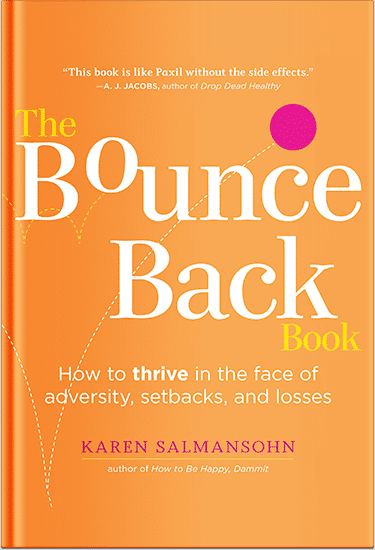
Please go to your inbox and click the confirmation link we just emailed you so you can start to get your free weekly NotSalmon Happiness Tools! Plus, you’ll immediately receive a chunklette of Karen’s bestselling Bounce Back Book!