 Cataracts can turn familiar pleasures like reading, driving, and recognizing faces into daily frustrations. The clouding usually develops slowly, so you may adapt by increasing screen brightness, avoiding nighttime trips, or blaming an outdated eyeglass prescription.
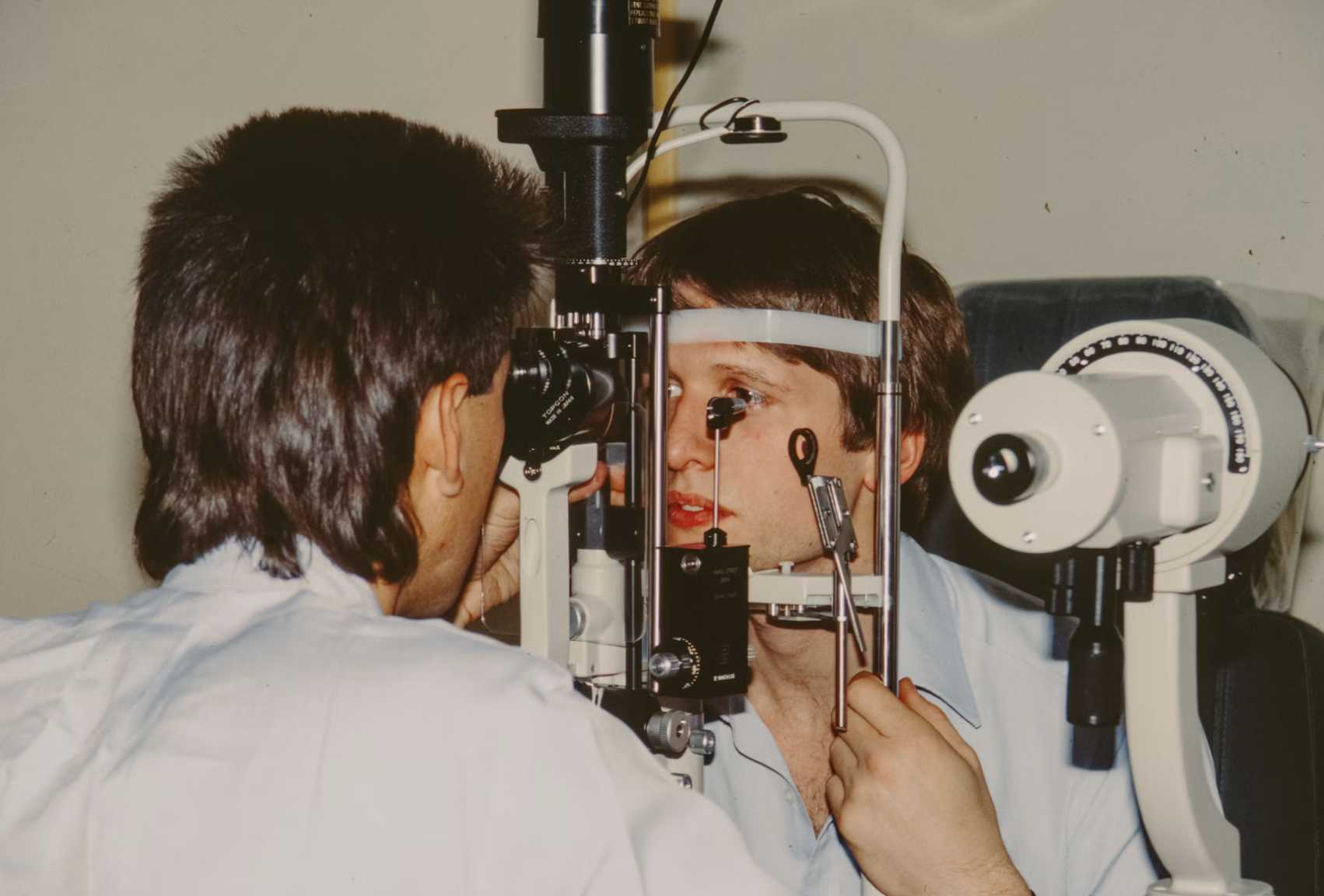
An eye examination can show whether a cataract is causing the change and how much it affects your vision. If glasses no longer provide enough improvement, cataract surgery may be an option. Laser-assisted techniques offer added precision during certain parts of the procedure, but the best choice still depends on your eyes, health and personal priorities.
How cataracts change everyday vision
A cataract forms when the eye’s natural lens becomes cloudy. Common symptoms include blurred vision, glare around lights, faded colors and poor contrast. You might struggle to read subtitles, spot a curb in dim light or drive toward bright headlights after sunset.
These problems can develop in one eye before the other, making the change harder to notice. Compare each eye separately by covering one at a time while looking at the same object. This simple check doesn’t replace an exam, but it can reveal a difference worth discussing. The National Eye Institute notes that aging is the most common cause, although eye injuries and certain medical conditions can also contribute.
The right time depends on your daily life
A cataract doesn’t need to reach a particular level of “ripeness” before treatment. Doctors usually consider how much it interferes with the activities that matter to you. The practical cataract surgery timing test includes difficulty reading, working, driving, and managing ordinary tasks safely.
Keep brief notes for a week before your appointment. Record situations where glare, blur, or poor depth perception changes what you do. For example, mention if you stopped driving at night or need brighter light to prepare food. These details help your ophthalmologist understand the real effect of your symptoms instead of relying only on an eye chart.
What laser-assisted cataract surgery involves
During cataract surgery, the cloudy natural lens is removed and replaced with a clear artificial lens called an intraocular lens, or IOL. In laser-assisted surgery, a femtosecond laser can create precise corneal openings, make an opening in the lens capsule, and soften the cataract before its removal. Other stages still require the surgeon’s direct skill and judgment.
People researching local clinical care may encounter labels such as Ideas: laser cataract surgery and bladeless cataract surgery while comparing assessment and treatment options. “Bladeless” refers to selected steps completed with a laser. It doesn’t mean that the procedure happens without small incisions or other surgical instruments, so ask the surgeon to explain exactly how the technique applies to your case.
Your lens choice shapes the result
The replacement lens is a major part of planning. A monofocal IOL generally targets clear vision at one distance, while multifocal and extended-depth-of-focus lenses aim to cover a broader range. Toric lenses can address certain types of astigmatism. Yale Medicine’s overview of modern cataract surgery options explains how newer lens designs may reduce dependence on glasses for some patients.
No lens guarantees perfect vision at every distance. A person who drives often at night may weigh glare differently from someone who mainly wants to read without glasses. Tell your surgeon how you spend a normal day, including your screen use, hobbies, and driving habits. Those details can be more useful than choosing the lens with the longest feature list.
Questions to ask before deciding
Start by asking whether laser assistance offers a meaningful benefit for your specific eye. Your ophthalmologist should review the cataract’s density, corneal health, pupil size and any previous eye procedures. Ask what visual target is realistic, which IOL fits that target and what costs your health plan may leave uncovered.
You should also discuss dry eye, retinal conditions and glaucoma because they can influence both measurements and results. Bring an updated medication list and arrange transportation for surgery day. If your concern extends beyond cataracts, this guide to understanding vision options can help you organize broader questions for an eye specialist.
Recovery deserves realistic expectations
Many people notice clearer vision within several days, although healing continues for weeks. Temporary blur, mild irritation and light sensitivity can occur early in recovery. Use prescribed drops exactly as directed and follow your surgeon’s guidance about exercise, face washing, driving and returning to work.
Contact the surgical team promptly if you develop worsening pain, sudden vision loss, increasing redness, flashes of light or a curtain-like shadow. These symptoms need professional assessment. Routine follow-up visits allow the doctor to monitor healing and refine your glasses prescription if one is still needed.
A careful consultation should leave you knowing what the procedure can improve, what it cannot correct, and why a particular lens suits your routine. Bring your notes about troublesome tasks to the appointment. The clearest treatment plan begins with a specific account of where cloudy vision is getting in your way.
P.S. Before you zip off to your next Internet pit stop, check out these 2 game changers below - that could dramatically upscale your life.
1. Check Out My Book On Enjoying A Well-Lived Life: It’s called "Your To Die For Life: How to Maximize Joy and Minimize Regret Before Your Time Runs Out." Think of it as your life’s manual to cranking up the volume on joy, meaning, and connection. Learn more here.
2. Life Review Therapy - What if you could get a clear picture of where you are versus where you want to be, and find out exactly why you’re not there yet? That’s what Life Review Therapy is all about.. If you’re serious about transforming your life, let’s talk. Learn more HERE.
Think happier. Think calmer.
Think about subscribing for free weekly tools here.
No SPAM, ever! Read the Privacy Policy for more information.
One last step!
Please go to your inbox and click the confirmation link we just emailed you so you can start to get your free weekly NotSalmon Happiness Tools! Plus, you’ll immediately receive a chunklette of Karen’s bestselling Bounce Back Book!