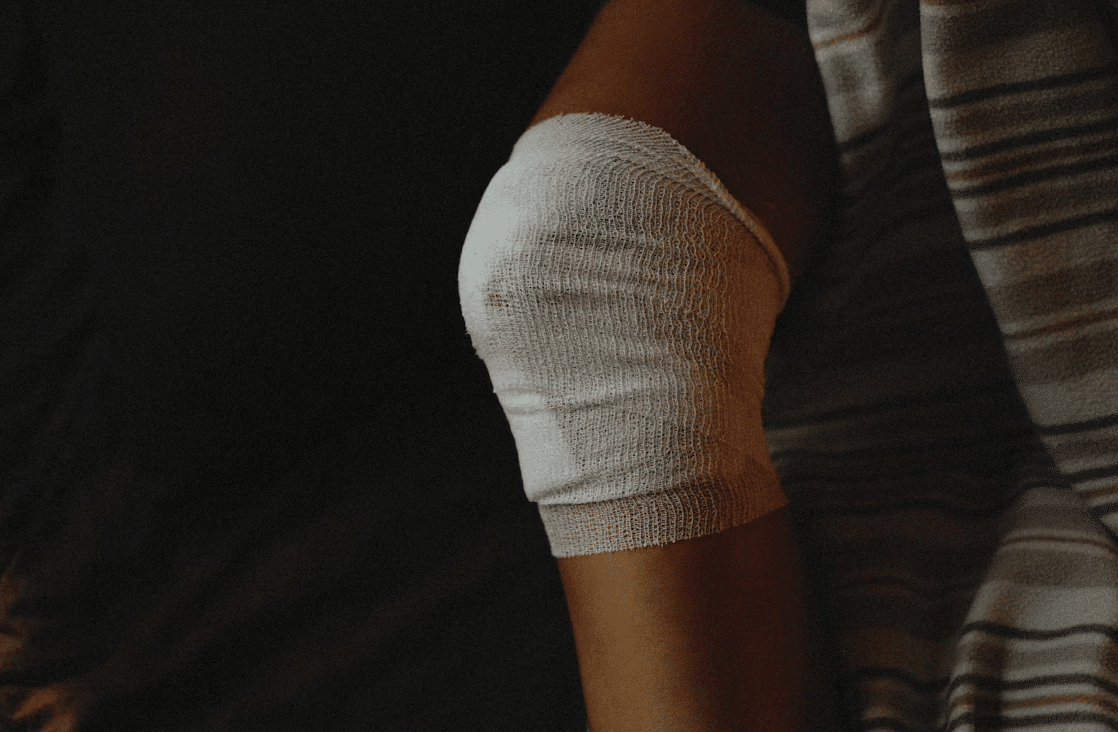
 An unexpected fall, a poorly maintained staircase, or an uneven walkway can turn an ordinary day into an experience filled with pain, medical expenses, and uncertainty. These incidents are a serious concern in New York City, where millions of people navigate apartment buildings, commercial properties, offices, and public spaces every day. Across the United States, unsafe property conditions contribute to more than 8 million emergency department visits annually, accounting for approximately 21% of all emergency room admissions.
The consequences can be particularly severe for older adults, who face a greater risk of fractures and life-altering complications following a fall. For injured individuals, recovering physically is only part of the challenge; identifying who bears legal responsibility can be equally difficult. With guidance from Shulman & Hill premises liability NYC, victims can better understand their legal rights, identify potentially negligent parties, and explore avenues for pursuing compensation.
Who Controls the Dangerous Condition?
The property owner is not always the only party responsible. A tenant, building manager, maintenance company, contractor, or other occupier could control the area where an injury occurred. Responsibility depends in part on who created the hazard, who had a duty to inspect or maintain the area, and who could arrange repairs.
For example, a tenant could be responsible for a spill inside its sales area, while a building owner could be responsible for a broken staircase in a shared hallway. The lease, maintenance agreement, and hazard’s location help clarify which party had control and responsibility.
After an injury, an attorney can review ownership records, maintenance duties, prior complaints, and repair decisions. A case review can determine who controlled the location, whether another party shared responsibility, and what evidence supports the claim.
What Notice Must Be Shown
A premises liability claim usually requires evidence that the responsible party knew about the hazard or should have discovered it through reasonable inspections. Direct notice exists when someone reports a condition, an employee observes it, or the party receives a written complaint. Constructive notice applies when a hazard existed long enough for a reasonable inspection to find it.
Timing matters. A puddle that formed moments before a fall raises a different notice question than a leak that repeatedly damaged the same floor. Prior repair requests, work orders, photographs, incident reports, and witness accounts can help show whether a hazard was new, recurring, or left unaddressed.
How Causation Connects Injury
The unsafe condition must have caused the injury in a legally meaningful way. The claimant needs to explain what led to the fall, collision, burn, bite, or other incident, and how the resulting harm followed.
Medical records can document symptoms, diagnosis, treatment, and restrictions after the incident. An earlier injury, delayed treatment, or later accident can give an insurer grounds to question the cause of the claimed harm. A clear timeline helps show when symptoms began and how the person’s condition changed.
Which Parties Share Liability?
Several parties can contribute to one accident. An owner could neglect a structural defect while a tenant leaves merchandise in a walkway. A contractor could make an incomplete repair, or a maintenance worker could leave a known spill in place.
The evidence determines how responsibility is divided. Investigators should identify every party involved in owning, leasing, supervising, inspecting, repairing, or securing the location. If an injured person pursues only the most visible business or individual, they may overlook another responsible party.
What Evidence Supports a Claim?
Physical evidence can change quickly. A broken step gets repaired, a spill gets cleaned, and a damaged sidewalk gets replaced. Photographs taken soon after the incident can show the hazard from several angles, along with nearby lighting, warning signs, entrances, flooring, and surrounding conditions.
Witness names and contact details preserve observations that official records may not include. An injured person should also keep incident reports, medical bills, work-loss records, medication information, and messages about the accident. Notes about pain or reduced activity can document how the personal injury affected daily life.
Avoid editing photographs or discarding damaged footwear and clothing before reviewing the evidence. Those items could help establish the conditions at the time of the incident.
How Comparative Fault Affects Recovery
New York follows a comparative fault approach, so an injured person’s conduct can affect the amount recovered. A property owner could argue that the visitor ignored a warning, used an area improperly, or failed to watch where they were walking.
Such an argument does not automatically defeat a claim. The analysis considers the hazard, available warnings, visibility, the visitor’s purpose, and each party’s conduct. Statements made at the scene, on social media, or during an insurance call could later receive close attention.
Why Prompt Legal Review Matters
A legal review can help organize the evidence before the condition changes or an insurer frames the incident around blame. A review should consider the location, ownership, notice, medical treatment, witnesses, surveillance footage, and prior complaints.
Rules differ by property and defendant. An injury on government-controlled property, in a rental building, or at a commercial location can involve different procedures and evidence. Acting promptly helps identify those issues while records and witness accounts remain available.
Conclusion
Responsibility for an unsafe property condition depends on control, notice, causation, and the conduct of everyone involved. Photographs, medical records, witness details, and maintenance documents can help establish what happened. After an injury, recording the conditions and events promptly gives a reviewer a clearer factual picture before repairs, lost records, or fading recollections make the incident harder to assess.
P.S. Before you zip off to your next Internet pit stop, check out these 2 game changers below - that could dramatically upscale your life.
1. Check Out My Book On Enjoying A Well-Lived Life: It’s called "Your To Die For Life: How to Maximize Joy and Minimize Regret Before Your Time Runs Out." Think of it as your life’s manual to cranking up the volume on joy, meaning, and connection. Learn more here.
2. Life Review Therapy - What if you could get a clear picture of where you are versus where you want to be, and find out exactly why you’re not there yet? That’s what Life Review Therapy is all about.. If you’re serious about transforming your life, let’s talk. Learn more HERE.
Think happier. Think calmer.
Think about subscribing for free weekly tools here.
No SPAM, ever! Read the Privacy Policy for more information.
One last step!
Please go to your inbox and click the confirmation link we just emailed you so you can start to get your free weekly NotSalmon Happiness Tools! Plus, you’ll immediately receive a chunklette of Karen’s bestselling Bounce Back Book!