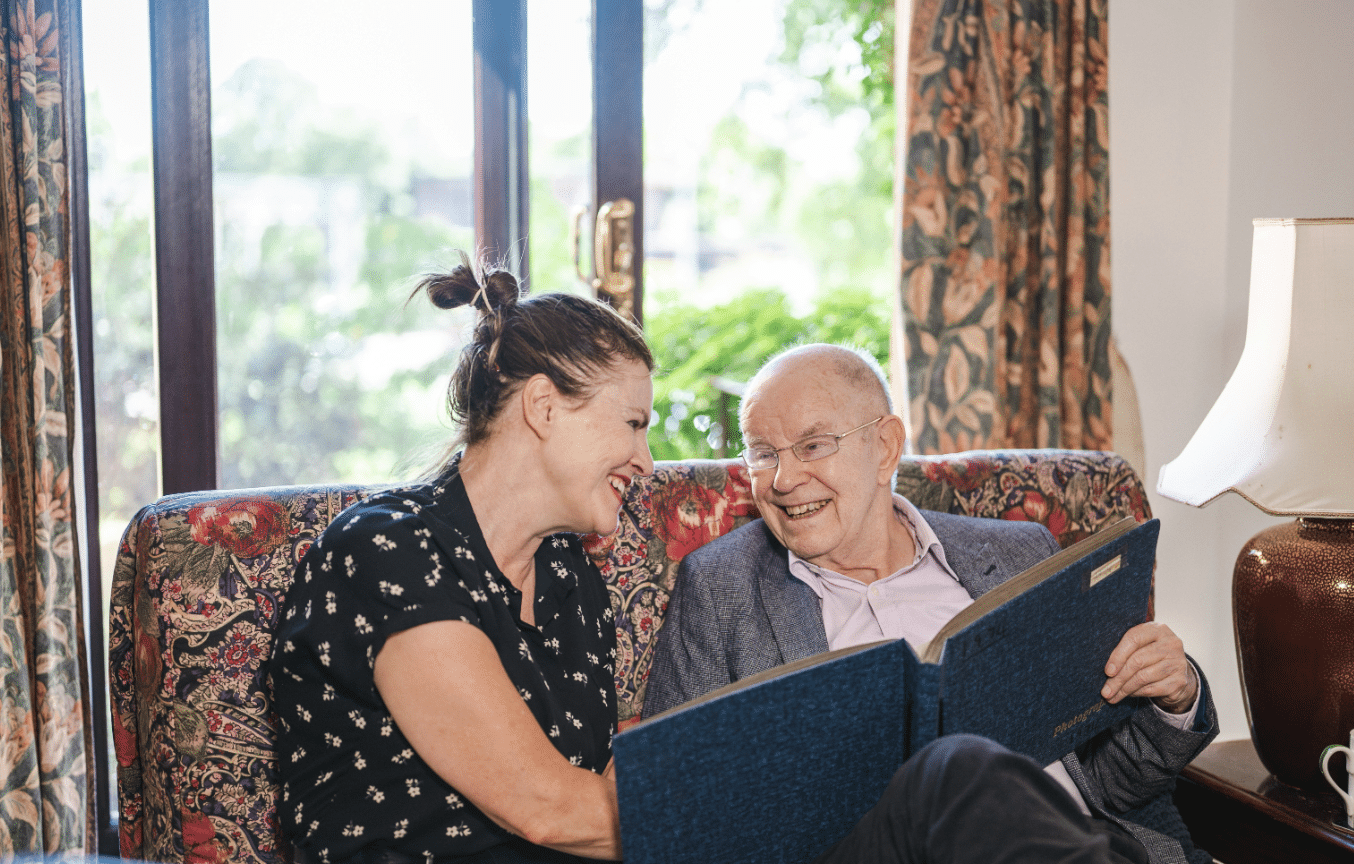
 When an individual who is trained in providing care and assistance to elderly people comes to the home of that person and stays there to provide requisite care, this arrangement or setup is called live-in care. Since the caregiver is there in the house, flexibility can be ensured. Like if 24-hour support is needed or only at night or specific time of the day. Number of days of stay will also be decided through mutual agreement. The primary purpose of this arrangement is to avoid sending the seniors to another facility which is not their own home. Seniors stay independent and their emotional well-being is also preserved effectively. The caregiver, once hired, will look after daily needs of seniors and help them with daily tasks. That is what live-in home care is all about.
Daily Routine Operations and Expectations
Caregivers follow a pre-determined, structured plan established by families in coordination with professional agencies. Typical duties include assistance with waking, washing, dressing, and maintaining personal hygiene routines. Meal preparation, household cleanliness, laundry, and light chores are also standard responsibilities included in the daily scope. By handling these physical tasks, the caregiver alleviates the burden on seniors who may struggle with mobility, fatigue, or balance issues. This consistent help ensures the home remains a clean and functional living space, which is critical for physical health and injury prevention.
Sleep, Breaks, and Availability
Although with live in care, the caregiver resides in the home, structured rest periods are required to maintain high performance and alertness. Agreements include designated hours for downtime each day. During these off duty times, the caregiver remains on the premises, ensuring that help stays within reach if an urgent need arises during the night. This presence offers significant security, as immediate assistance remains available for bathroom needs, sudden illness, or physical emergencies. Having a person available during the night eliminates the fear of being left alone, providing a deep sense of relief for the senior and the family.
Health and Medication Management
A central component of this care model is rigorous health maintenance. Many seniors require consistent medication schedules, which can be difficult to manage without proper oversight. Caregivers track dosages and ensure that every medication is taken exactly as prescribed at the correct time. Furthermore, caregivers document changes in mood, appetite, hydration, or physical health, providing critical updates to family members or medical professionals if concerns arise. This documentation acts as a vital link between the home environment and the medical team, ensuring that any shifts in health are addressed quickly.
The Importance of Social Interaction and Companionship
Loneliness poses a significant risk to health and mental state of older adults. The presence of a live-in professional ensures that social interaction remains a constant aspect of daily life. Activities such as playing card games, reading, sharing meals, and engaging in conversation provide the mental stimulation necessary to maintain cognitive health. This human connection serves as a vital tool in preventing the isolation that often leads to depression or mental decline. A caregiver often becomes a trusted companion, transforming the home from a quiet, lonely space into an active, social environment.
The Role of Care Agencies
Professional agencies manage the recruitment, background screening, and training of all caregivers. Agencies provide an essential layer of reliability by arranging coverage during emergencies or scheduled time off for the primary caregiver. This management ensures that service remains completely uninterrupted, protecting the senior from the stress of inconsistent support. When an agency manages the placement, there is an assurance that the caregiver has been vetted for professionalism, skill, and integrity, which provides a necessary layer of trust.
Requirements for Living Quarters
Effective service requires the provision of a clean, private, and comfortable living space for the caregiver. A dedicated area for resting and storing personal items is necessary to maintain professional boundaries and comfort. Respecting the need for privacy and adequate rest during off hours directly correlates with the quality of support provided to the resident. A comfortable, well rested caregiver is far more attentive, patient, and effective when performing duties throughout the day. Providing a welcoming environment is a fundamental part of a successful long term arrangement.
Financial Structure and Planning
Service costs are typically calculated based on a daily or weekly rate. Clear agreements detailing these costs, including policies on food, duties, and scheduling, should be established upfront to avoid misunderstandings. Transparent communication regarding financial expectations provides a stable budget and allows for long term planning. In many cases, this model proves more cost effective than the high overhead costs associated with large residential care facilities, as every dollar spent is directed toward personal, individual attention rather than administrative building costs.
Maintaining Communication and Oversight
Regular updates between the agency, the caregiver, and family members are standard practice. Consistent check-ins, via phone, text, or digital logs, provide ongoing information regarding the health, diet, and comfort of the senior. This flow of information keeps all involved parties informed and allows for quick adjustments to the care plan as needs evolve over time. Being kept in the loop provides tremendous peace of mind, even when physical presence at the home is not possible.
Transitioning to Live-in Care
One can expect initial hesitancy and hurdles. This is because the caregiver is a new comer. Like every other hire, the background of caregiver needs to be checked and verified thoroughly. This person will come and reside inside the house. No comprise can thus be made on the thoroughness of search, hiring, selection, and onboarding. Hold open dialogue and conversation with the caregiver. Explain house rules clearly. Help the caregiver adjust to the environment. Preferences and habits must be respected mutually. After passing the initial period, the caregiver will become a long-term member of family if all goes well. Communication and interaction is key. Just focus on making both the caregiver and the one being looked after comfortable with each other.
P.S. Before you zip off to your next Internet pit stop, check out these 2 game changers below - that could dramatically upscale your life.
1. Check Out My Book On Enjoying A Well-Lived Life: It’s called "Your To Die For Life: How to Maximize Joy and Minimize Regret Before Your Time Runs Out." Think of it as your life’s manual to cranking up the volume on joy, meaning, and connection. Learn more here.
2. Life Review Therapy - What if you could get a clear picture of where you are versus where you want to be, and find out exactly why you’re not there yet? That’s what Life Review Therapy is all about.. If you’re serious about transforming your life, let’s talk. Learn more HERE.
Think happier. Think calmer.
Think about subscribing for free weekly tools here.
No SPAM, ever! Read the Privacy Policy for more information.
One last step!
Please go to your inbox and click the confirmation link we just emailed you so you can start to get your free weekly NotSalmon Happiness Tools! Plus, you’ll immediately receive a chunklette of Karen’s bestselling Bounce Back Book!


