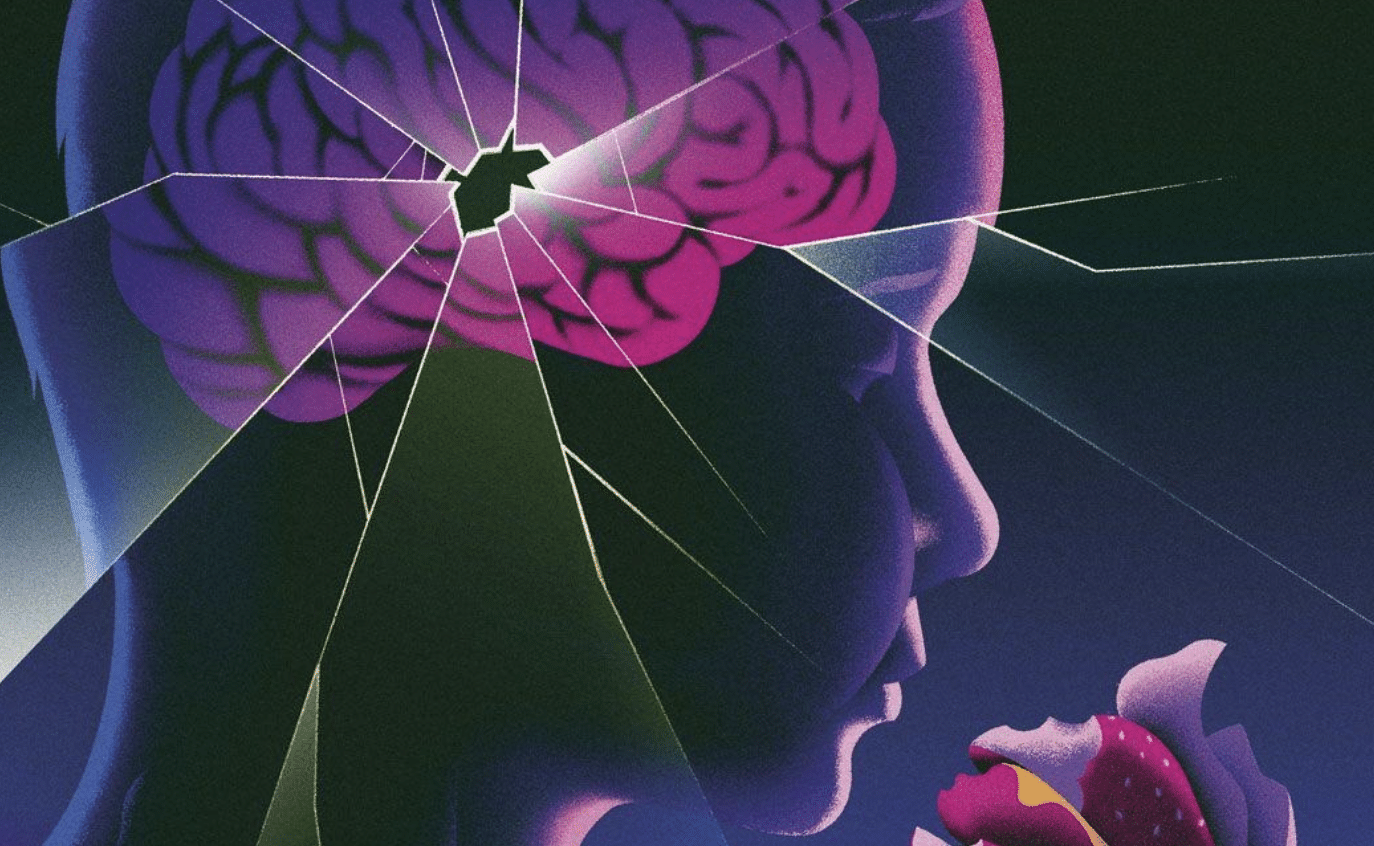
 The relationship between your mental health and the food you are consuming is definitely increasingly gaining attention, and especially for those individuals that are taking some medications, such as Selective Serotonin Reuptake Inhibitors (SSRIs). Designed to increase the availability of serotonin in your brain, these medications, and some of the most common ones among them are Sertraline, Escitalopram and Fluoxetin, aim at improving your mood and your emotional regulation. Read more about their mechanisms of action.
Yet, as you probably understand by now, medication is only one part of the picture. What you are eating can actually influence your brain chemistry, as well as inflammation, and, of course, your gut health. And, we have to mention that all of those processes play a crucial role in how effectively your SSRIs are actually working. Recently, ultra processed foods have definitely come under scrutiny for their potential to negatively impact both your mental health and the treatment outcomes.
So, you are here because you want to better understand the link between UPFs and your SSRI treatments. You want to know how these types of foods interact with your body, and how that can affect the performance of the medications you are taking. After all, learning a bit more about this can then help you make better informed dietary choices that can support your recovery and your overall well-being. Let us, thus, start answering the important questions for you.
What Are Ultra Processed Foods in the First Place?
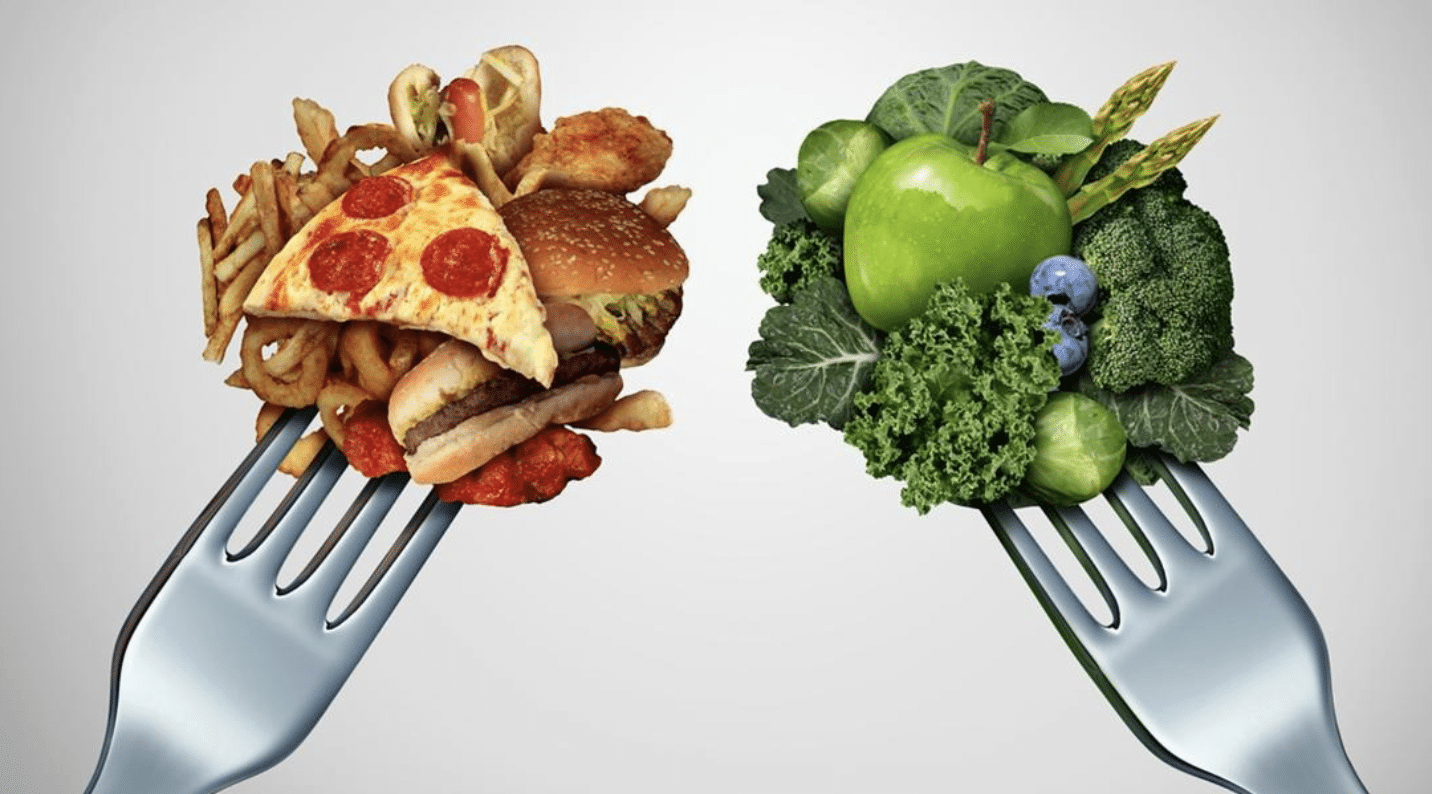
Okay, the first thing we have to answer here for you is what ultra processed foods actually are. To put things simply, these are industrially manufactured products that are made primarily from refined ingredients and, of course, additives, rather than whole foods. The purpose behind creating them is for them to have a long shelf life, as well as an enhanced taste, and to, well, be convenient. We are talking about foods such as processed meats, soft drinks and energy drinks, packaged snacks, ready and frozen meals, sugary breakfast cereals and similar.
These are, as it should be clear to you already, quite high in unhealthy fats, sugar and salt, while at the same time being low in some essential nutrients, such as minerals, fiber and vitamins. Understanding how Ultra Processed Foods & SSRI medications interact, thus, which is talked about by Genesight and similar sources, can help you get a better idea about some dietary changes that you may want to make in your life. So, it is completely normal for you to be curious about this and to better understand what to expect.
How Do SSRIs Work in Your Body?
 Before we get to talking about those specific interactions and the way UPFs can affect your SSRI treatment specifically, let us first make sure that you understand how SSRIs actually work in your body. To put things simply, they work by blocking the reabsorption of serotonin after it has been released in the synaptic gap, which means that more of this neurotransmitter remains available and active between nerve cells. And that helps regulate processes such as your mood, sleep and appetite, while also reducing anxiety and generally improving emotional stability.
An important thing to know is that SSRI medications, such as, for example, Citalopram or Paroxetine, don’t really act instantly. Instead, they work by gradually influencing your brain function over several weeks. So, their effectiveness doesn’t depend solely on their chemical action, but also on the overall health of the systems that they are interacting with, including your gut, your metabolic processes, and, naturally, your immune system.
How UPFs Can Affect Your SSRI Treatment?
So, what do UPFs have to do with all of this, and how do they actually affect your SSRI treatment? Well, first things first, one of the most important links you have to be aware of here is the gut-brain axis, which is basically a communication network that connects your digestive system with your brain, and plays a huge role in mood regulation, especially since a large portion of serotonin is actually produces in the gut. UPFs can disrupt the work of this system by reducing beneficial bacteria, increasing harmful microbes, as well as lowering microbial diversity, thus potentially limiting the actual effectiveness of your SSRIs.
Understand UPFs better in general: https://en.wikipedia.org/wiki/Ultra-processed_food
Apart from that, ultra processed foods tend to promote inflammation and that can also counteract some of the benefits of SSRIs. Furthermore, these types of foods can have an effect on your blood sugar levels, causing rapid spikes in blood glucose, which are then followed by sharp drops, and fluctuations like those can lead to irritability, fatigue, mood swings, as well as increased anxiety, which can make it difficult to actually realize if your SSRIs are working effectively or not. On top of that, lacking in necessary nutrients, which is known for ultra processed foods, further leads to reducing your body’s ability to optimally respond to SSRI treatments. So, while you may not be able to completely stop consuming these foods, the idea is for you to at least limit their intake.
P.S. Before you zip off to your next Internet pit stop, check out these 2 game changers below - that could dramatically upscale your life.
1. Check Out My Book On Enjoying A Well-Lived Life: It’s called "Your To Die For Life: How to Maximize Joy and Minimize Regret Before Your Time Runs Out." Think of it as your life’s manual to cranking up the volume on joy, meaning, and connection. Learn more here.
2. Life Review Therapy - What if you could get a clear picture of where you are versus where you want to be, and find out exactly why you’re not there yet? That’s what Life Review Therapy is all about.. If you’re serious about transforming your life, let’s talk. Learn more HERE.
Think happier. Think calmer.
Think about subscribing for free weekly tools here.
No SPAM, ever! Read the Privacy Policy for more information.
One last step!
Please go to your inbox and click the confirmation link we just emailed you so you can start to get your free weekly NotSalmon Happiness Tools! Plus, you’ll immediately receive a chunklette of Karen’s bestselling Bounce Back Book!


