 Home workout routines often begin with good intentions and end with frustration. The plan looks exciting at first. Then the week gets busy, energy drops, and the routine starts to feel like one more thing to manage. That is usually when people assume they lack discipline.
In most cases, the problem is not discipline. It is the design. The routine asks for too much, leaves no room for real life, and turns every session into a test. That can work for a short burst. It rarely creates something that lasts.
A better routine feels different from the beginning. It still challenges the body, but it does not run on guilt. It fits around work, family, fatigue, and imperfect weeks. Most of all, it feels clear enough to repeat. That is what makes it empowering instead of exhausting.
Why Most Home Workout Routines Fade Fast
A lot of home plans fail because they create too much friction. The workout takes too long to set up. The session structure feels vague. The equipment is awkward. One missed day makes the whole week feel off. When a routine is that fragile, consistency usually disappears.
There is also a mindset issue underneath it. Many people build routines from frustration. They want fast change, so they choose the hardest plan they can tolerate. At first, that feels motivating. Then it starts to feel punishing. The body begins to link exercise with pressure instead of support.
That is where things fall apart. A routine lasts when it feels realistic enough to survive a low-energy day, a late meeting, or a bad night of sleep. It should ask for effort, but it should not collapse the moment life stops being convenient.
Start With The Week You Actually Have
This is the part many people skip. They build a routine around their ideal week instead of their real one. In that fantasy version of life, there is always time after work, energy is always steady, and nothing unexpected shows up. Real life rarely works like that.
A stronger plan begins with the week that already exists. For most people, three or four sessions are enough to make real progress when those sessions have a purpose. That matters more than cramming in six random workouts.
It also helps to give each session a job. One can focus on strength. One can push conditioning a little. One can support core control and movement quality. Once the week has shape, the routine starts feeling easier to follow. There is less overthinking and less chance of every workout turning into a messy mix of everything.
Choose A Training Style That Builds You Up
The best training style is not the one that looks hardest online. It is the one that makes the body feel capable enough to come back again tomorrow or next week. For some people, that is weights. For others, it is walking, cycling, or mat work. For a lot of people, low-impact resistance training ends up being the most sustainable middle ground.
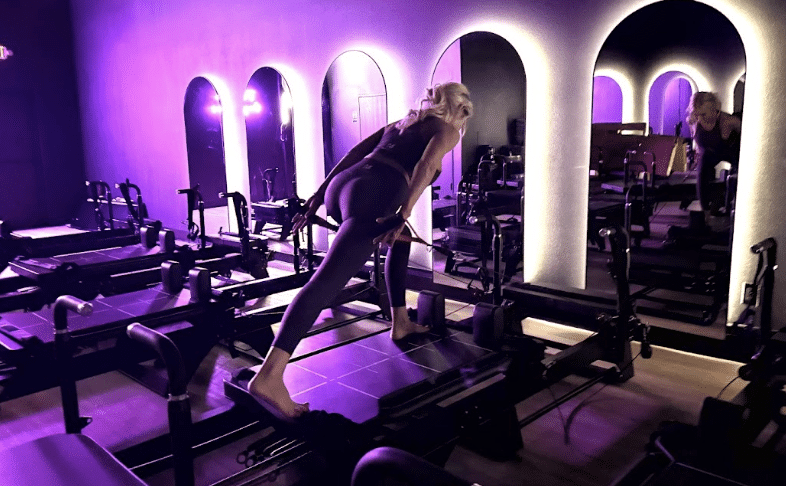
That is one reason reformer-style training has become more appealing at home. It can build strength, core control, and conditioning in the same routine, but it does it with smoother resistance than many traditional home workouts, and the research on Pilates benefits also links Pilates to improvements in muscle strength, flexibility, posture, and balance.
A lot of home users who want that studio-style burn end up comparing smart megaformer alternative options before buying equipment. Sculptformer sits in that high-intensity reformer-style category for people who want strong resistance, deep core demand, and a full-body challenge without relying on constant pounding cardio. The appeal is not just intensity. It is the fact that one setup can support a more complete training week at home.
Build The Week Around Three Clear Jobs
A lasting routine does not need endless variety. It needs balance. The easiest way to create that balance is to make sure the week covers three things well, and the NHS activity guidelines also recommend a mix of aerobic exercise and muscle-strengthening work across the week.
- Build strength through controlled resistance and repeatable movement patterns.
- Train the core through posture, stability, and trunk control
- Improve conditioning with effort that raises the heart rate without draining recovery
That mix works because each part helps the others. Strength improves how the body feels and moves. Core work makes everything else cleaner and more stable. Conditioning improves energy and work capacity without needing every workout to feel extreme.
Progress Should Follow Clear Levers
A routine becomes much easier to trust when progress has a shape. It should not feel random. It should feel measurable without becoming complicated.
Useful progression levers include these:
- Add a few reps to one movement for two weeks
- Slow the lowering phase slightly
- Increase the range only if the control stays clean
- Add resistance only when breathing stays steady
- Reduce rest a little without turning the session chaotic
The goal is not to make progress look dramatic. The goal is to make it repeatable. When progress stays calm, the body learns better patterns, and the routine becomes easier to sustain.
Where High-Intensity Pilates Equipment Fits
High-intensity Pilates has grown because it answers a real need. Many people want tough training without constant impact. They want strength, control, and conditioning in one format. That has pushed more interest toward home alternatives that feel closer to boutique studio equipment.
Sculptformer fits into that high-intensity category. It is often considered by people when comparing studio-style machines for home use. The focus should stay on the training need, not on branded method claims. High effort. Low impact. Clear progression. That is the real appeal.
Brand names in this space are trademarks of their owners, so the language matters. The point is not copying a studio identity. The point is meeting the same broader demand for challenging, structured, low-impact training at home.
Final Thoughts
A home workout routine lasts when it feels supportive, clear, and realistic enough to repeat. It does not need to be extreme to be effective. It needs some structure, a training style that feels worth returning to, and a weekly rhythm that can survive real life.
That is what makes a routine empowering in the long run. Not only the physical results, but the feeling that it belongs in the week without creating more stress. When the plan feels sustainable, the results have a much better chance of lasting, too.
P.S. Before you zip off to your next Internet pit stop, check out these 2 game changers below - that could dramatically upscale your life.
1. Check Out My Book On Enjoying A Well-Lived Life: It’s called "Your To Die For Life: How to Maximize Joy and Minimize Regret Before Your Time Runs Out." Think of it as your life’s manual to cranking up the volume on joy, meaning, and connection. Learn more here.
2. Life Review Therapy - What if you could get a clear picture of where you are versus where you want to be, and find out exactly why you’re not there yet? That’s what Life Review Therapy is all about.. If you’re serious about transforming your life, let’s talk. Learn more HERE.
Think happier. Think calmer.
Think about subscribing for free weekly tools here.
No SPAM, ever! Read the Privacy Policy for more information.
One last step!
Please go to your inbox and click the confirmation link we just emailed you so you can start to get your free weekly NotSalmon Happiness Tools! Plus, you’ll immediately receive a chunklette of Karen’s bestselling Bounce Back Book!