 Eyelid surgery often sits in an odd space between beauty talk and medical talk. People hear about it from friends, see it mentioned online, or notice celebrities in Las Vegas who seem to look more awake over time. Yet the conversation around the procedure is full of guesses and half-truths.
Some believe it is only for older people. Others think the results look obvious or that recovery takes months. The reality is usually much more practical and subtle than the rumors suggest.
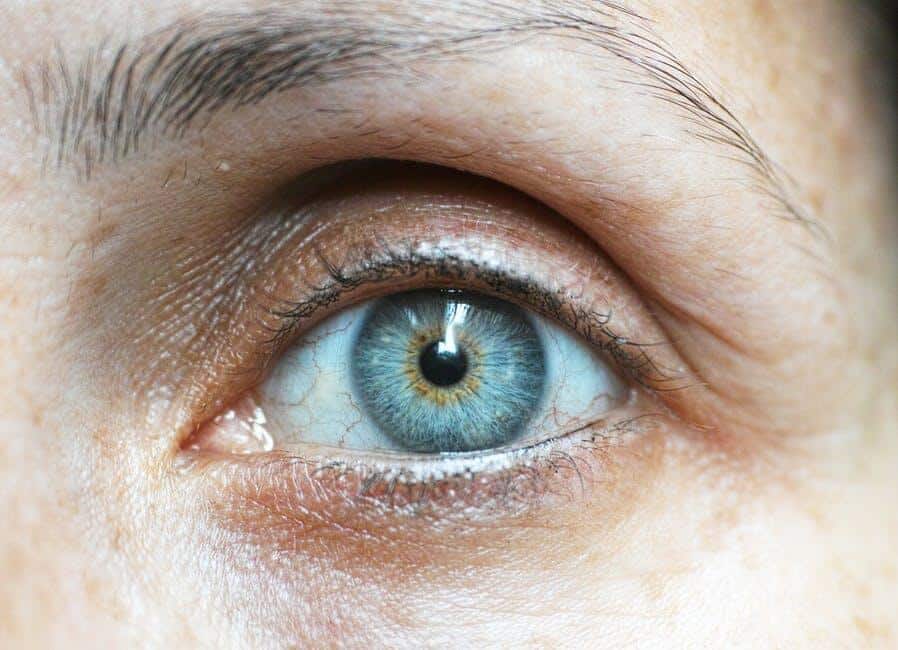
Blepharoplasty, the medical term for eyelid surgery, focuses on removing or adjusting excess skin and, sometimes, small pockets of fat around the eyes. It is often done to help people look less tired or to address drooping upper lids that affect vision.
Below, we clear up five common myths you might have heard about eyelid surgery.
1. Myth: Eyelid Surgery Is Only for Older Adults
Many people assume eyelid surgery belongs in the same category as procedures people consider later in life. The thinking goes something like this: sagging lids happen with age, so the surgery must be for seniors. That idea misses an important detail. Genetics play a big role in how eyelids look. Some people develop heavy upper lids or puffiness in their 30s or even earlier.
Recent reports place eyelid surgery as one of the top 5 most commonly performed facial surgeries worldwide. According to data from the American Society of Plastic Surgeons, 115,261 eyelid surgeries were performed in 2022 in the United States alone. Older adults are not the only demographic represented in those numbers. In practice, many patients fall somewhere in the middle age range.
2. Myth: The Results Always Look Obvious
One reason people hesitate is the fear that everyone will notice they had surgery. Some imagine the result will look tight or unnatural. That concern usually comes from seeing extreme examples online or from misunderstanding what the surgery aims to do.
But when reviewing information about how eyelid surgery in Las Vegas is performed, people often learn that the technique focuses on subtle structural changes rather than more obvious alterations. Surgeons remove extra skin through small incisions hidden in the eyelid crease, which allows scars to remain difficult to notice once healing progresses.
During consultations, clinics like Vegas Facial Plastics usually explain how small adjustments around the eyelid can influence the entire eye area. They also plan the procedure around each patient’s eye structure rather than following a single standard approach. The goal often involves subtle improvements rather than significant change.
When healing finishes, many patients discover that friends simply say they look more rested. Most cannot pinpoint exactly what changed.
3. Myth: Recovery Takes a Long Time
Another myth that spreads easily is the idea that eyelid surgery requires months away from normal life. That assumption can make people postpone even researching the option.
The recovery process is often shorter than expected, especially for upper eyelid procedures.
Most patients experience swelling and bruising in the first several days. After that stage, things usually begin to settle. Many people feel comfortable returning to light daily activities within about a week.
A typical early recovery timeline often looks like this:
- Mild swelling and bruising during the first few days
- Stitches removed around the end of the first week
- Makeup used after healing allows it
- Swelling gradually fading over the next few weeks
Of course, everyone heals differently. Some people recover faster, others take more time. Still, the idea that someone disappears from normal life for months rarely matches the usual experience.
4. Myth: Eyelid Surgery Is Purely Cosmetic
People tend to assume the procedure exists only for appearance. While many patients do seek eyelid surgery to look less tired, function can also play a role.
When upper eyelid skin droops enough, it may start to affect the field of vision. Reading, driving, or even using a phone can feel more difficult when excess skin hangs over the eyelashes. Doctors sometimes evaluate whether the eyelid position interferes with sight. In certain cases, the procedure helps restore clearer vision by lifting the extra skin.
So while the improvement in appearance often receives the most attention, the practical impact on daily life can matter just as much.
5. Myth: The Procedure Is Extremely Painful
The word surgery naturally makes people imagine a painful experience. That expectation can stop people from asking questions or scheduling consultations.
Eyelid surgery tends to involve local anesthesia and sometimes light sedation. This allows patients to remain comfortable during the procedure. Afterward, discomfort usually feels mild rather than severe. Many people describe a sensation closer to tightness or swelling than sharp pain.
Cold compresses, prescribed medication if needed, and rest often help during the first few days. Doctors also provide clear aftercare instructions that guide patients through the healing stage. By the end of the first week, many patients notice the swelling easing and the eye area beginning to look more refreshed.
Final Thoughts
Eyelid surgery has developed a reputation shaped by rumors, outdated stories, and noticeable examples shared online. When people learn what actually happens during consultations, surgery, and recovery, the process often sounds far less intimidating. The procedure usually focuses on subtle improvement around one of the most expressive parts of the face. For many people, the goal remains simple: eyes that look more rested and feel more comfortable in everyday life.
Understanding the facts behind these common myths helps people ask better questions and make informed choices when considering whether eyelid surgery might be right for them.
P.S. Before you zip off to your next Internet pit stop, check out these 2 game changers below - that could dramatically upscale your life.
1. Check Out My Book On Enjoying A Well-Lived Life: It’s called "Your To Die For Life: How to Maximize Joy and Minimize Regret Before Your Time Runs Out." Think of it as your life’s manual to cranking up the volume on joy, meaning, and connection. Learn more here.
2. Life Review Therapy - What if you could get a clear picture of where you are versus where you want to be, and find out exactly why you’re not there yet? That’s what Life Review Therapy is all about.. If you’re serious about transforming your life, let’s talk. Learn more HERE.
Think happier. Think calmer.
Think about subscribing for free weekly tools here.
No SPAM, ever! Read the Privacy Policy for more information.
One last step!
Please go to your inbox and click the confirmation link we just emailed you so you can start to get your free weekly NotSalmon Happiness Tools! Plus, you’ll immediately receive a chunklette of Karen’s bestselling Bounce Back Book!


