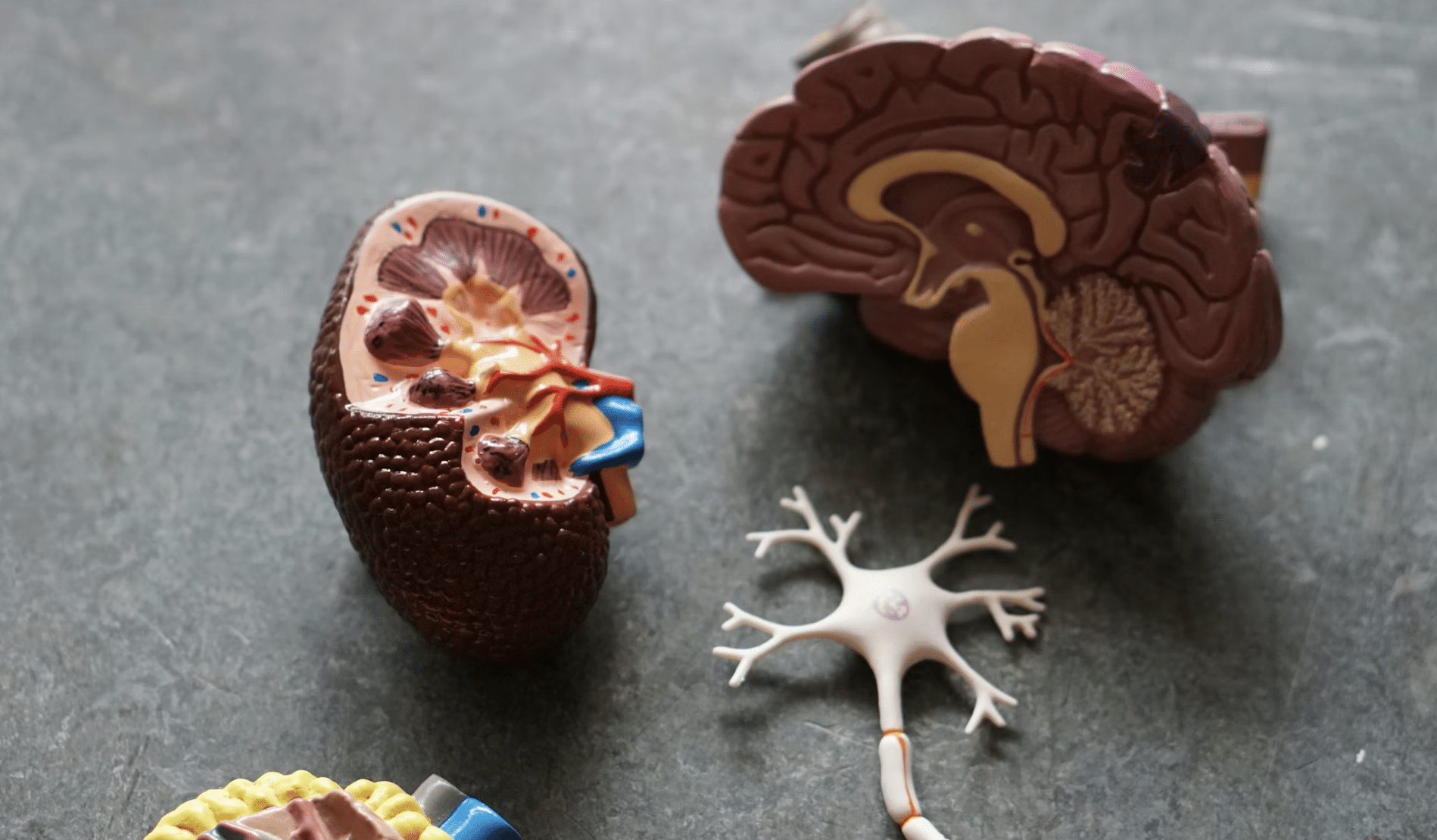
 Staying properly hydrated is one of the most effective ways to lower the risk of kidney stones, yet many people underestimate how small daily habits influence stone formation.
Learning how fluid intake affects mineral concentration in the urine can help reduce discomfort and avoid future complications, especially for those who may eventually need guidance from a kidney stone specialist to explore treatment options. By making intentional hydration choices, it is possible to support kidney function and reduce the likelihood of stones developing over time.
Why Hydration Matters for Kidney Stone Prevention
Kidney stones often form when urine becomes too concentrated, allowing minerals such as calcium or uric acid to crystallize. Drinking enough fluids helps dilute these substances so they can pass through the urinary system without forming solid deposits. Consistent hydration supports normal kidney filtration and reduces the strain placed on these vital organs.
When fluid intake is low, the kidneys are forced to conserve water, which increases mineral saturation in the urine. Over time, this environment encourages crystals to grow and harden into stones. Maintaining steady hydration throughout the day helps keep urine light in color and less concentrated, signaling a healthier balance.
Timing Your Water Intake Throughout the Day
Hydration is most effective when fluids are consumed consistently rather than all at once. Drinking water at regular intervals allows the kidneys to process waste efficiently and prevents sudden spikes in urine concentration. Spreading fluid intake throughout the day helps maintain a stable internal environment.
Morning hydration is particularly important because urine tends to be more concentrated after hours of sleep. Starting the day with water helps flush the urinary system and sets a positive pattern for ongoing intake. Evening hydration also matters, as dehydration overnight can contribute to stone formation if fluid levels remain too low.
Choosing the Right Fluids for Kidney Health
While water remains the best option for hydration, other beverages can also help prevent kidney stones. Certain drinks help increase urine volume without adding substances that promote stone development. Selecting fluids carefully can make hydration both effective and sustainable.
Sugary beverages, including excessive soda intake, may contribute to stone risk by altering mineral balance. Fluids that support hydration without excess additives are generally more beneficial for long term kidney health. Making mindful beverage choices can complement water intake and reduce unnecessary strain on the kidneys.
Hydration During Physical Activity and Heat
Physical activity and warm environments increase fluid loss through sweat, which can quickly lead to dehydration. When the body loses water, urine becomes more concentrated, raising the risk of kidney stones. Replacing fluids promptly during and after activity helps maintain proper balance.
People who exercise regularly or work in warm conditions should pay close attention to hydration needs. Drinking water before thirst becomes intense is a proactive approach that supports kidney health. Consistent fluid replacement helps prevent the cycle of dehydration that contributes to stone formation.
Listening to Your Body Signals
Urine color is one of the simplest indicators of hydration status. Pale yellow urine generally reflects adequate hydration, while darker shades suggest the need for more fluids. Paying attention to these signals can help guide daily hydration habits.
Thirst is another important signal, but it may not always appear early enough to prevent dehydration. Relying solely on thirst can allow urine concentration to increase before fluids are replaced. Developing awareness of hydration cues supports better kidney health and stone prevention.
When Hydration Is Not Enough
Although hydration plays a major role in prevention, it may not fully eliminate kidney stone risk for everyone. Factors such as genetics, diet, and underlying health conditions can still contribute to stone development. In these cases, professional evaluation may be necessary to determine the most effective approach.
Understanding treatment options can provide clarity and reassurance for those experiencing recurring symptoms. Resources that explain modern treatments help individuals make informed decisions about their care. Learning when to seek medical guidance ensures that hydration efforts are supported by appropriate treatment strategies.
Conclusion
Hydration is a powerful yet simple tool in reducing the risk of painful kidney stones, and small daily adjustments can lead to meaningful long term benefits. By drinking fluids consistently, choosing supportive beverages, and responding to body signals, individuals can create an environment that discourages stone formation. When combined with professional guidance and evidence based treatment options, these hydration habits form a strong foundation for maintaining kidney health and preventing future discomfort.
P.S. Before you zip off to your next Internet pit stop, check out these 2 game changers below - that could dramatically upscale your life.
1. Check Out My Book On Enjoying A Well-Lived Life: It’s called "Your To Die For Life: How to Maximize Joy and Minimize Regret Before Your Time Runs Out." Think of it as your life’s manual to cranking up the volume on joy, meaning, and connection. Learn more here.
2. Life Review Therapy - What if you could get a clear picture of where you are versus where you want to be, and find out exactly why you’re not there yet? That’s what Life Review Therapy is all about.. If you’re serious about transforming your life, let’s talk. Learn more HERE.
Think happier. Think calmer.
Think about subscribing for free weekly tools here.
No SPAM, ever! Read the Privacy Policy for more information.
One last step!
Please go to your inbox and click the confirmation link we just emailed you so you can start to get your free weekly NotSalmon Happiness Tools! Plus, you’ll immediately receive a chunklette of Karen’s bestselling Bounce Back Book!


