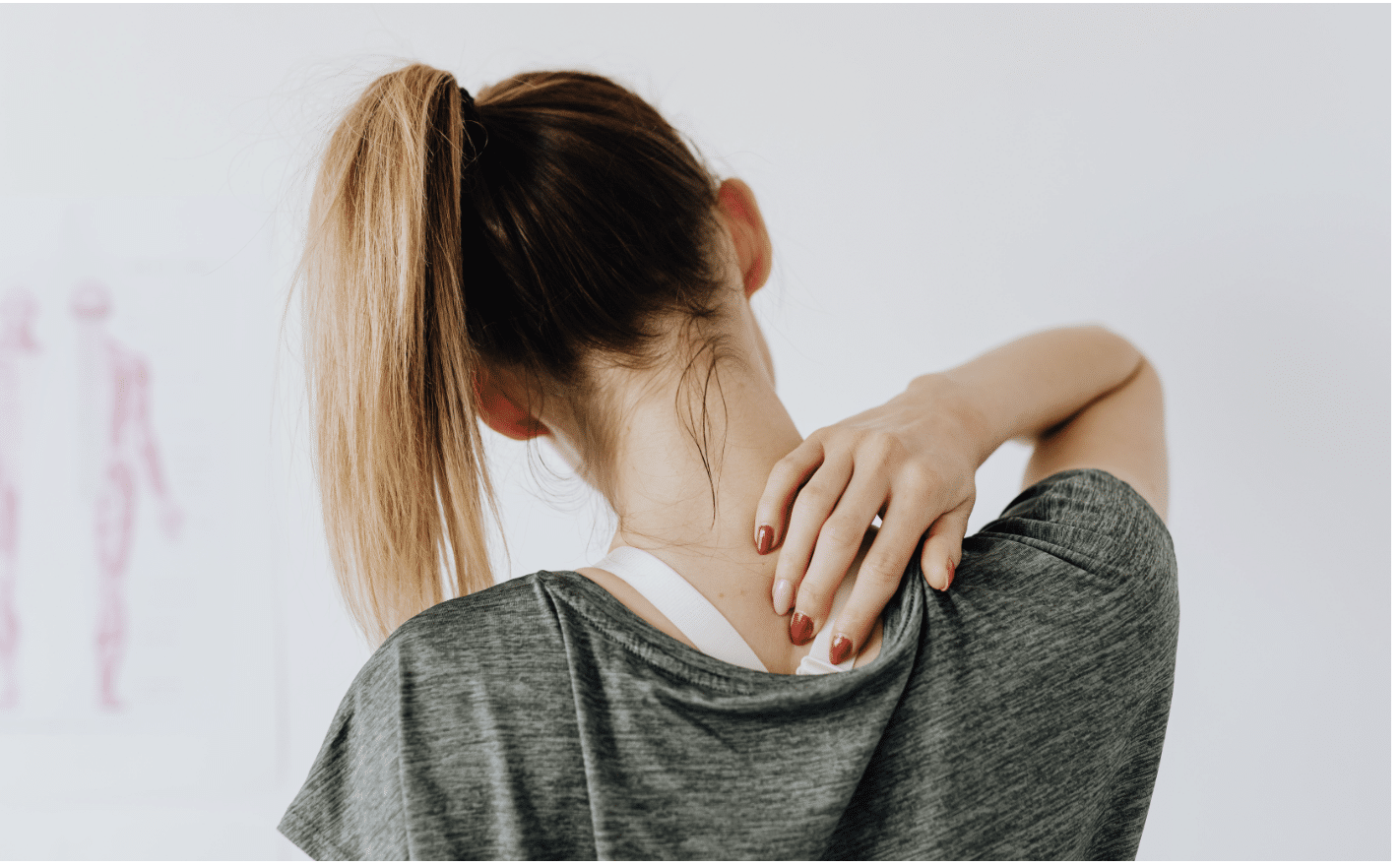
 Sacroiliac (SI) joint discomfort can interrupt day-to-day activities and reduce quality of life. This uneasiness needs practical strategies that can assist you in providing long-term relief. Using straightforward and well-established approaches that are low-cost, anyone can become more mobile and regain their ability to participate in everyday life.
The following are nine tips for SI joint pain relief and management. These methods focus on natural, accessible solutions that support healing and comfort. Small changes can lead to significant improvements over time. Let’s look at practical steps that make a real difference.
Prioritize Gentle Movement
Activity aids flexibility and allows the blood to circulate. Low-impact and gentle stretching helps to relieve stiffness, but without putting the joint under pressure. A gentle range of motion activities (walking, swimming, or other supported movement) can also facilitate recovery and decrease pain levels.
Practice Proper Posture
The way we hold ourselves contributes significantly to the health of our SI joints. Proper posture while sitting or standing will relieve stress on the pelvis and eliminate excess pressure on the joint. Investing in an ergonomic chair or lumbar support can go a long way. Be deliberate in redistributing weight across the left and right hips throughout the day.
Apply Cold or Heat Therapy
Temperature therapy offers immediate comfort. A cold pack helps to reduce swelling and sharp pain. Heat therapy with a warm compress helps relax the tight muscles around the joint. Switching between cold and heat could reduce inflammation and muscle tension.
Strengthen Core Muscles
A well-functioning core stabilizes the pelvis and can also help relieve strain on the SI joint. Light exercises for specific muscles in these areas can strengthen without causing further discomfort. Pilates-inspired moves and targeted routines can help. They usually provide better posture and less pain when done consistently.
Use Supportive Footwear
Proper shoes that contain padding for foot support and great stability can relieve SI joint pain. Shoes with good support allow for optimal alignment from the feet up. You should avoid heels and shoes that have no support, as this places unnecessary stress on the pelvis. Insoles or orthotics may additionally offer extra comfort.
Modify Daily Activities
Modifying your routines allows you to prevent SI joint irritation. Do not accomplish things like lifting a lot or twisting very fast. Avoid bending from the waist, but rather bend down on the knees to protect the lower back. According to the National Institute of Arthritis and Musculoskeletal and Skin Diseases, careful modifications of daily activities can help manage joint-related conditions and lower the risk of worsened pain.
Consider Physical Therapy
A professional guide provides relief that lasts. Physical therapists create tailored exercises and stretches. They teach safe ways to move and provide hands-on techniques to help relieve some of the discomfort. Frequent appointments can assist in optimal function and avoid future exacerbations.
Explore Pain Relief Methods
Pain pills, like over-the-counter medicines, can provide short-term relief. Applying topical creams can also reduce the pain in the targeted area. Talk to your doctor before taking any new medications. And methods for non-medication possibilities, such as massage or acupuncture, may support other pain control methods.
Maintain a Healthy Weight
More weight contributes to additional stress on the pelvis and SI joint. Keeping a healthy lifestyle, including a well-balanced diet and staying active, minimizes the pressure on the joint. Losing as little as a few extra pounds can make a big difference in pain and mobility. Seek professional help with nutrition if needed.
Seek Professional Evaluation
If you have persistent pain in the SI joint, it is worth looking at. This emphasizes why it is important to consult a healthcare provider who can diagnose and treat effectively. Chronic issues can be avoided, and recovery can be expedited with early intervention. However, professionals may recommend imaging or refer to advanced care specialists when indicated.
Conclusion
Dealing with sacroiliac joint pain is all about making small incremental adjustments that will promote balance and relief to the joint. Together with posture, movement, supportive footwear (when necessary), and a few other simple measures, they can move with more ease and a greater combination. Professional guidance helps boost recovery and sustain the relief. SI joint pain doesn’t need to impact your daily living with some tender care.
P.S. Before you zip off to your next Internet pit stop, check out these 2 game changers below - that could dramatically upscale your life.
1. Check Out My Book On Enjoying A Well-Lived Life: It’s called "Your To Die For Life: How to Maximize Joy and Minimize Regret Before Your Time Runs Out." Think of it as your life’s manual to cranking up the volume on joy, meaning, and connection. Learn more here.
2. Life Review Therapy - What if you could get a clear picture of where you are versus where you want to be, and find out exactly why you’re not there yet? That’s what Life Review Therapy is all about.. If you’re serious about transforming your life, let’s talk. Learn more HERE.
Think happier. Think calmer.
Think about subscribing for free weekly tools here.
No SPAM, ever! Read the Privacy Policy for more information.
One last step!
Please go to your inbox and click the confirmation link we just emailed you so you can start to get your free weekly NotSalmon Happiness Tools! Plus, you’ll immediately receive a chunklette of Karen’s bestselling Bounce Back Book!


