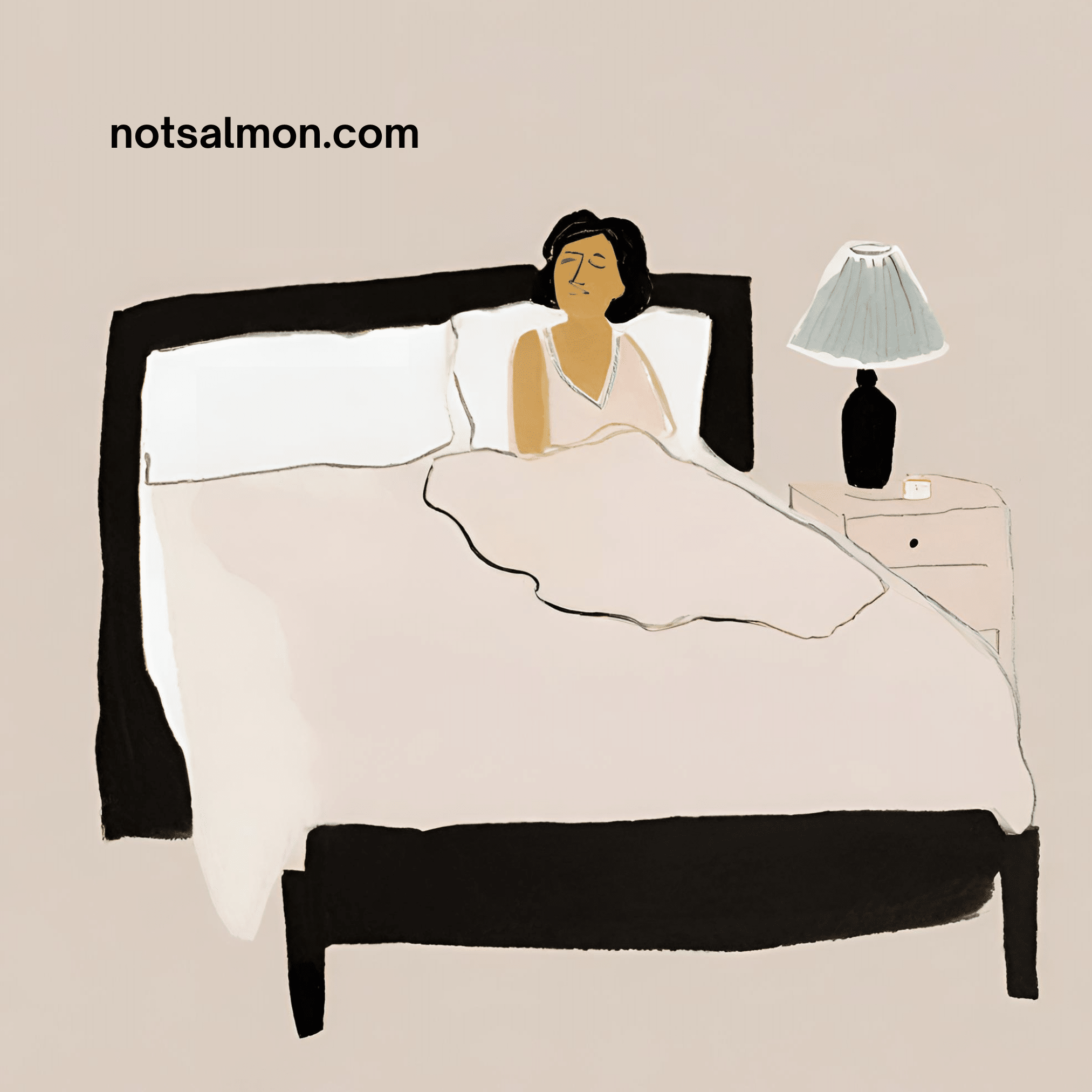
 Bedtime should bring rest and relief after a long day. But for millions of people, the approach of nighttime triggers worry, racing thoughts, and physical tension that makes sleep feel impossible.
This pattern of anxiety specifically tied to sleep creates a frustrating cycle where worrying about sleep prevents the very rest someone desperately needs.
Understanding Sleep Anxiety
Sleep anxiety refers to worry, fear, or nervousness specifically related to sleep or bedtime. Unlike general anxiety that persists throughout the day, this type intensifies as bedtime approaches or when lying down to sleep. The anxiety focuses on concerns about falling asleep, staying asleep, or the consequences of poor sleep.
This condition differs from insomnia, though the two often overlap. Insomnia describes the inability to sleep, while sleep anxiety describes the emotional distress and worry surrounding sleep. Someone can have sleep anxiety without insomnia, experiencing intense bedtime worry yet eventually falling asleep. More commonly, sleep anxiety and insomnia feed each other in a destructive cycle.
The condition also differs from nighttime anxiety attacks or panic disorder, where panic symptoms happen to occur at night. With sleep anxiety, the worry centers specifically on sleep itself rather than other fears that happen to surface during nighttime hours.
What Sleep Anxiety Symptoms Look Like
Recognizing sleep anxiety symptoms helps people identify whether their sleep troubles stem from this specific issue rather than other sleep disorders. The symptoms span mental, emotional, and physical experiences.
Mental and Emotional Signs
The psychological symptoms often start hours before actual bedtime. As evening progresses, people begin dreading the approach of bedtime. They feel tense or nervous thinking about trying to sleep. Thoughts turn to previous bad nights and worries about whether tonight will be another sleepless struggle.
Once in bed, the mind races with concerns:
- Calculating hours of potential sleep remaining
- Worrying about consequences of poor sleep the next day
- Feeling frustration or anger at inability to fall asleep
- Monitoring body sensations and analyzing whether sleep is approaching
- Thinking about sleep problems rather than letting the mind rest
These worried thoughts create a state of mental arousal completely incompatible with falling asleep. The harder someone tries to force sleep, the more alert they become.
Physical Symptoms
The body responds to anxiety about sleep with physical tension and arousal. Heart rate increases. Breathing becomes faster and shallower. Muscles tense, particularly in the jaw, neck, and shoulders. Some people experience stomach upset or need to urinate frequently due to nervous tension.
Body temperature may rise slightly from the stress response, making the person feel too warm under covers. Restlessness develops – tossing, turning, rearranging pillows, and shifting positions repeatedly without finding comfort.
These physical symptoms directly interfere with sleep onset. The body needs to relax and cool down slightly to fall asleep, but anxiety creates the opposite state – tension, elevated heart rate, and heightened alertness.
Can Anxiety Cause Sleep Loss
The question “can anxiety cause sleep loss” has a clear answer: absolutely. Anxiety represents one of the most common causes of sleep problems. The relationship works in both directions – anxiety disrupts sleep, and poor sleep worsens anxiety, creating a self-perpetuating cycle.
Anxiety activates the body’s stress response system. This system evolved to keep humans alert and ready to respond to danger. When active, it releases stress hormones like cortisol and adrenaline that increase heart rate, sharpen focus, and prepare the body for action. These changes make sense when facing actual threats but work against sleep when the “threat” is simply bedtime.
The worried thoughts characteristic of anxiety also prevent sleep. The brain cannot simultaneously engage in anxious rumination and the mental letting-go necessary for sleep. Racing thoughts about sleep problems keep the mind activated when it needs to quiet down.
Research confirms anxiety’s impact on sleep architecture. Anxiety increases sleep latency (time to fall asleep), reduces total sleep time, decreases sleep efficiency, and fragments sleep with more awakenings. It particularly reduces deep slow-wave sleep and REM sleep – the most restorative sleep stages.
Where Sleep Anxiety Comes From
Multiple factors contribute to developing anxiety specifically about sleep. Understanding these causes helps target treatment effectively.
Past Sleep Problems
Often, sleep anxiety develops after experiencing a period of insomnia from another cause. Perhaps stress, illness, medication side effects, or travel disrupted sleep initially. Even after the original cause resolves, worry about sleep persists. The person becomes hypervigilant about sleep, monitoring it obsessively and fearing the return of insomnia.
One or two bad nights can trigger this pattern in susceptible individuals. The memory of lying awake feeling miserable creates anticipatory anxiety. The brain essentially learns to fear bedtime based on past negative experiences.
General Anxiety Disorders
People with generalized anxiety disorder, panic disorder, or other anxiety conditions have higher rates of sleep problems. Their tendency toward excessive worry naturally extends to sleep concerns. Someone who worries excessively about work, health, relationships, and finances also worries excessively about sleep.
The physical symptoms of anxiety disorders, tension, rapid heartbeat, restlessness, interfere with sleep directly. Additionally, many anxiety disorder sufferers develop specific fears about nighttime, darkness, being alone, or losing control during sleep.
Life Stress and Trauma
Major stressors or traumatic experiences commonly trigger both general anxiety and specific sleep anxiety. Job loss, relationship problems, health scares, financial difficulties, or bereavement create mental distress that surfaces intensely when trying to sleep.
Trauma survivors often experience anxiety while sleeping due to nightmares, fear of losing awareness, or associations between nighttime and traumatic events. This creates genuine fear of sleep itself rather than just worry about not sleeping.
Behavioral Conditioning
Sometimes sleep anxiety develops through conditioning without obvious cause. Repeatedly pairing bed and bedroom with wakefulness and frustration teaches the brain to associate these cues with arousal rather than sleep. The bed becomes a trigger for anxiety instead of a signal for rest.
For individuals experiencing these patterns, seeking therapy for sleeping problems from a qualified mental health professional can help identify the underlying causes and develop effective strategies to break the cycle.
This can develop from various habits – working in bed, watching upsetting content before sleep, having arguments in the bedroom, or simply spending hours awake in bed during previous sleep troubles.
Practical Solutions That Actually Work
The good news: sleep anxiety responds well to treatment. Several approaches have strong evidence supporting their effectiveness.
Cognitive Behavioral Therapy for Insomnia
CBT-I addresses both the behavioral and cognitive components of sleep problems. The therapy includes several elements specifically helpful for sleep anxiety:
- Sleep restriction limits time in bed to build sleep pressure
- Stimulus control re-associates bed and bedroom with sleep
- Cognitive restructuring challenges worried thoughts about sleep
- Relaxation training reduces physical tension
- Sleep education corrects misconceptions that fuel anxiety
This structured approach typically takes six to eight sessions and produces lasting improvements. Unlike sleep medications, the benefits continue after treatment ends.
Anxiety Management Techniques
Since sleep anxiety represents a specific form of anxiety, general anxiety management strategies help:
- Progressive muscle relaxation releases physical tension
- Deep breathing activates the parasympathetic nervous system
- Mindfulness meditation teaches non-reactive awareness of thoughts
- Regular exercise reduces overall anxiety levels
- Limiting caffeine and alcohol reduces physiological arousal
These techniques work best when practiced regularly during the day, not just attempted when already lying in bed unable to sleep.
Changing Bedtime Behaviors
Specific behavior changes reduce anxiety sleep connections and support better rest. Establishing a consistent sleep schedule helps regulate the body’s internal clock. Creating a wind-down routine signals the brain that sleep is approaching.
Getting out of bed when unable to sleep after 20 minutes prevents associating bed with wakefulness and frustration. Keeping the bedroom cool, dark, and quiet optimizes the sleep environment. Reserving the bed only for sleep and sex—not work, eating, or stressful activities—strengthens the bed-sleep association.
When Medication Helps
Medication sometimes plays a role in managing sleep anxiety, though rarely as the only treatment. Anti-anxiety medications like benzodiazepines or non-benzodiazepine sleep aids provide short-term relief but carry dependency risks with long-term use.
Antidepressants prescribed for anxiety disorders often improve both daytime anxiety and nighttime sleep problems. These medications take several weeks to work but don’t carry the same dependency risks as sleep-specific drugs.
Some people benefit from low-dose sedating medications taken temporarily while learning CBT-I techniques. This combination allows sleep improvement while building lasting skills for managing anxiety sleep problems.
Breaking the Cycle
Sleep anxiety feels overwhelming, especially when caught in the cycle of anxiety preventing sleep and poor sleep worsening anxiety. But the condition responds to treatment, particularly when people commit to behavioral changes and cognitive work.
Recovery takes time. Most people don’t see dramatic improvement immediately. Progress happens gradually over weeks as new patterns replace old ones. Setbacks occur and should be expected rather than interpreted as failure.
The most effective approach combines multiple strategies – cognitive work to change worried thoughts, behavioral changes to rebuild healthy sleep associations, relaxation techniques to reduce physical tension, and lifestyle modifications that support better sleep.
With consistent effort, most people significantly reduce sleep anxiety and restore healthy sleep patterns. The key involves accepting that change happens slowly, maintaining realistic expectations, and persisting with treatment even during difficult periods when progress feels invisible.
P.S. Before you zip off to your next Internet pit stop, check out these 2 game changers below - that could dramatically upscale your life.
1. Check Out My Book On Enjoying A Well-Lived Life: It’s called "Your To Die For Life: How to Maximize Joy and Minimize Regret Before Your Time Runs Out." Think of it as your life’s manual to cranking up the volume on joy, meaning, and connection. Learn more here.
2. Life Review Therapy - What if you could get a clear picture of where you are versus where you want to be, and find out exactly why you’re not there yet? That’s what Life Review Therapy is all about.. If you’re serious about transforming your life, let’s talk. Learn more HERE.
Think happier. Think calmer.
Think about subscribing for free weekly tools here.
No SPAM, ever! Read the Privacy Policy for more information.
One last step!
Please go to your inbox and click the confirmation link we just emailed you so you can start to get your free weekly NotSalmon Happiness Tools! Plus, you’ll immediately receive a chunklette of Karen’s bestselling Bounce Back Book!


