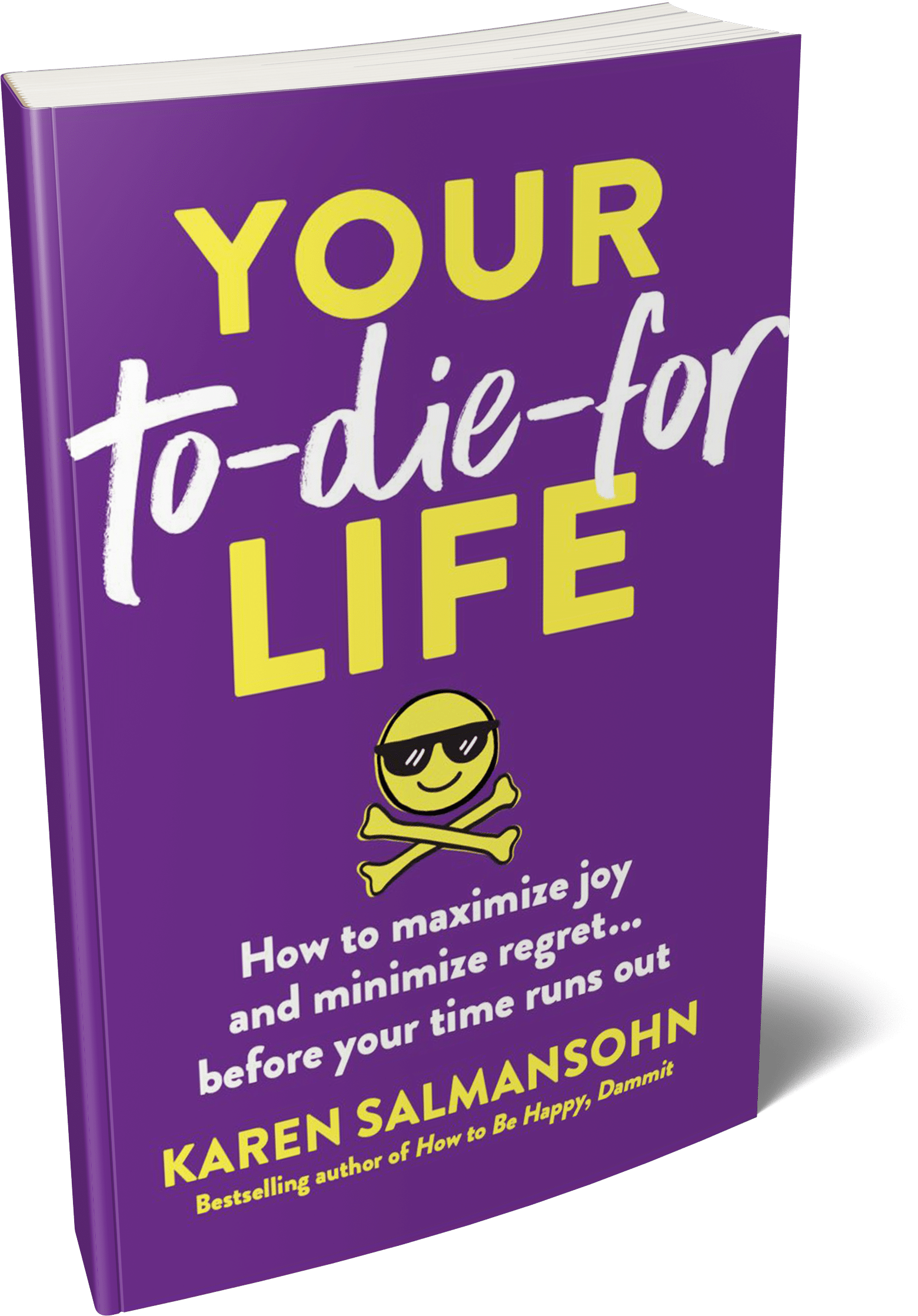

Get A Sneak Peek at my book “Your To-Die-For Life”!
Get a FREE sneak peek! Learn how to use Mortality Awareness as a wake up call to live more boldly.


 IOP New Jersey is often discussed as a flexible treatment option, but its role in treating both mental health and substance use conditions together is not always clear.
Many adults face overlapping challenges such as depression paired with alcohol misuse or anxiety alongside drug dependence. Treating one without the other can leave gaps that slow recovery.
Dual diagnosis intensive outpatient programs were created to address this problem. They combine mental health care and addiction support into one coordinated plan while allowing people to live at home. This structure helps adults stay engaged in daily life while receiving consistent, structured care.
This article explains how dual diagnosis IOPs work, who they help, what conditions they treat, and how to evaluate options in New Jersey. The goal is to give you clear information so you can better understand whether this level of care fits your needs.
Dual diagnosis refers to the presence of both a mental health disorder and a substance use disorder at the same time. These conditions often interact in ways that make symptoms stronger and recovery more complex.
Integrated treatment addresses both issues together instead of separating care. This approach helps align therapy goals, reduces conflicting treatment plans, and supports steadier progress. Evidence-based care models show higher engagement when mental health and addiction services work in sync.
An intensive outpatient program New Jersey provides structured care several days per week without overnight stays. Clients attend scheduled therapy sessions while continuing to live at home.
Programs usually combine:
This format allows adults to practice coping skills in real-life settings while still receiving frequent clinical support.
Dual diagnosis outpatient care is designed for adults who need more support than weekly therapy but do not require inpatient treatment. It works best when symptoms are moderate and daily safety can be maintained.
This level of care supports recovery readiness while respecting independence and personal responsibility.
Dual diagnosis IOPs support a wide range of mental health conditions. Treatment focuses on symptom awareness, emotional regulation, and behavior change.
Common concerns include:
Therapies such as Cognitive Behavioral Therapy and Dialectical Behavior Therapy are often used to build coping skills and emotional insight.
Substance use disorders are frequently linked to untreated mental health symptoms. When anxiety, trauma, or depression remain unaddressed, the risk of relapse increases.
Dual diagnosis programs commonly treat:
Addressing both conditions together helps reduce relapse risk and supports longer-term stability.
Integrated outpatient programs rely on multiple therapy types that work together.
Key components often include:
This combination helps reinforce learning across different settings.
Many programs also include supportive services that strengthen recovery skills.
These may involve:
Support services help clients understand their conditions and stay engaged in treatment.
Integrated outpatient care offers several practical benefits for adults.
This balance supports continuity of care and encourages long-term engagement.
Program length varies based on clinical needs and progress. Many intensive outpatient programs last several weeks to a few months.
Schedules often include:
Treatment plans are reviewed regularly to match progress and recovery goals.
Selecting an outpatient program requires careful review. Integrated care depends on provider experience and treatment quality.
Clear answers to these questions support informed decision-making.
Many intensive outpatient programs are covered by insurance due to mental health parity laws. Coverage details vary by plan and network status.
Cost considerations often include:
Understanding benefits early helps reduce financial stress and supports consistent participation.
IOP stands for intensive outpatient program. It refers to structured outpatient care that involves multiple therapy sessions per week.
Research supports integrated treatment as more effective than treating mental health and substance use separately. Coordinated care improves engagement and stability.
Most programs involve nine to fifteen hours per week. The exact schedule depends on treatment needs.
Many adults continue working. Evening and flexible schedules are often available to support employment.
Coverage is common, though details vary. Verifying benefits before starting helps clarify expectations.
For general education on integrated behavioral health care, the National Institute of Mental Health provides helpful overviews of mental health and substance use treatment models:
https://www.nimh.nih.gov
Dual diagnosis intensive outpatient programs play a key role in modern behavioral health care. They address mental health and substance use together while allowing people to remain active in their daily lives.
Integrated care supports clearer insight, steadier progress, and stronger coping skills. It also reduces the risk that untreated symptoms will interfere with recovery.
Exploring professional guidance and understanding treatment options can help adults make informed choices. With the right level of support, recovery can move forward in a way that feels manageable and sustainable.
P.S. Before you zip off to your next Internet pit stop, check out these 2 game changers below - that could dramatically upscale your life.
1. Check Out My Book On Enjoying A Well-Lived Life: It’s called "Your To Die For Life: How to Maximize Joy and Minimize Regret Before Your Time Runs Out." Think of it as your life’s manual to cranking up the volume on joy, meaning, and connection. Learn more here.
2. Life Review Therapy - What if you could get a clear picture of where you are versus where you want to be, and find out exactly why you’re not there yet? That’s what Life Review Therapy is all about.. If you’re serious about transforming your life, let’s talk. Learn more HERE.
Think about subscribing for free weekly tools here.
No SPAM, ever! Read the Privacy Policy for more information.
