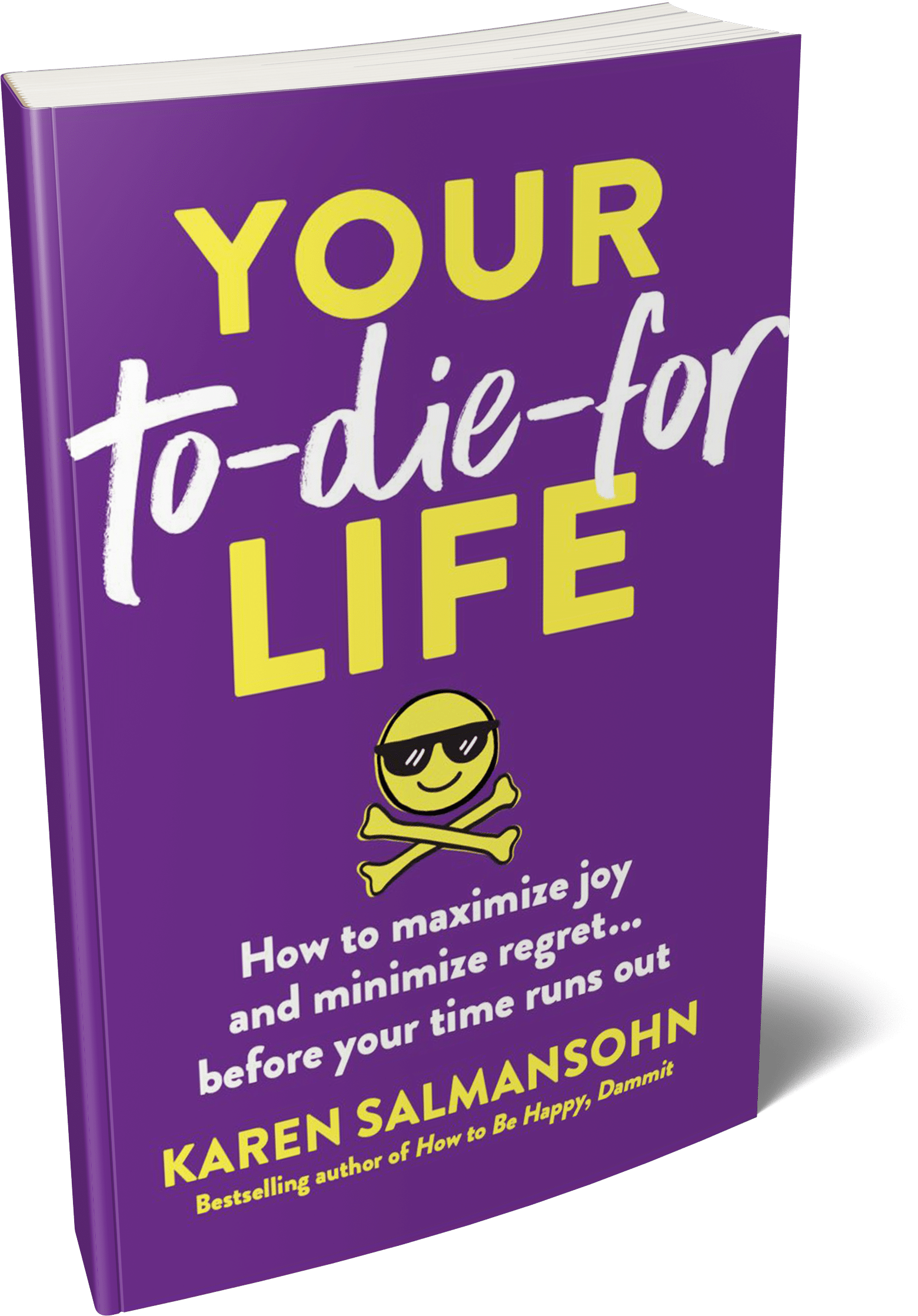

Get A Sneak Peek at my book “Your To-Die-For Life”!
Get a FREE sneak peek! Learn how to use Mortality Awareness as a wake up call to live more boldly.


 A personal injury doesn’t just leave physical scars—it reshapes daily life in many ways people don’t anticipate. Beyond the doctor visits and physical therapy, there’s the emotional toll of lost independence, the stress of medical bills, and the frustration of not being able to return to routines quickly.
These hidden burdens often weigh just as heavily as the physical pain itself. When left unaddressed, they can impact overall health, mood, and even relationships.
The path to recovery is about more than physical healing—it’s about regaining balance across your entire life. Every stage matters, from addressing physical limitations and building emotional resilience to easing financial strain and protecting long-term rights.
In this article, you’ll explore how personal injury recovery affects everyday life, along with the support systems that make healing—physically, mentally, and financially—possible.
Physical injuries often change even the simplest routines. Activities like cooking, driving, or walking up stairs may suddenly feel impossible, leaving people dependent on family or caregivers. This loss of independence can trigger frustration and a sense of helplessness, especially for those used to an active lifestyle.
Rehabilitation becomes the first crucial step. Physical therapy helps restore mobility and strength, but progress is often slow. For someone used to handling everything alone, needing help to put on shoes or carry groceries can feel discouraging. It’s important to recognize that small milestones are still victories. Walking a short distance without crutches or regaining the ability to climb stairs represents progress.
Setting realistic goals, celebrating small wins, and working closely with therapists can keep morale high. Acknowledging that recovery is a gradual journey—not a quick fix—builds resilience. Over time, these efforts restore not only physical strength but also the confidence to return to daily life.
Medical care, ongoing rehabilitation, and lost wages often create financial strain that compounds the stress of recovery. Bills can pile up just as income decreases, leaving individuals unsure how to cope. This strain can slow recovery, as constant financial worry distracts from healing.
This is where professional support becomes vital. Personal injury lawyers guide individuals through the process of filing claims and pursuing fair compensation. Experts working at reputable firms, like Zoeller Law, offer clarity and structure in overwhelming times. By ensuring that medical expenses, lost wages, and long-term needs are considered, they prevent injured people from carrying the financial burden alone. You can explore their website “zoellerlaw.com” to understand how they help negotiate with insurers, gather evidence, and handle legal complexities, allowing clients to focus on their health.
With experienced legal guidance, individuals can reduce financial uncertainty and access the resources needed for treatment and recovery. This partnership makes healing less stressful and more sustainable.
While the physical side of recovery is visible, the emotional side often goes unnoticed. Limited mobility, time away from work, or missing social activities can lead to feelings of isolation and sadness. Many injured individuals also battle anxiety about their future or frustration over slow progress. These emotions are normal, but can weigh heavily if ignored.
Prioritizing mental health during recovery is just as important as physical rehabilitation. Talking openly with family or friends can ease the sense of isolation. Professional counseling offers coping strategies to handle stress, while practices like mindfulness or journaling help individuals process emotions in healthy ways. Support groups also play a powerful role—connecting with others who share similar struggles provides reassurance and community.
When emotional well-being is nurtured alongside physical healing, individuals build a stronger foundation for recovery. Addressing both ensures the journey is not only about regaining movement but also about preserving hope and resilience.
A personal injury often changes more than health—it disrupts work and career plans. Many people find they cannot return to their previous jobs right away, or at all. Physical restrictions might limit hours, prevent lifting, or make commuting difficult. These challenges create stress about income, identity, and long-term stability.
Exploring flexible work arrangements can help. Some employers may allow adjusted schedules, remote work, or lighter duties while recovery continues. Others may require documentation to approve such accommodations, which adds another layer of pressure for the injured person. In some cases, retraining or shifting to a different line of work becomes necessary.
While these changes are not easy, being proactive about workplace discussions and understanding your options reduces uncertainty. A supportive employer and a clear plan can ease the transition, making it possible to rebuild both confidence and financial security after injury.
Recovering from a personal injury is never limited to the physical body—it touches every part of life. The challenges of daily tasks, the strain on emotional health, and the stress of financial uncertainty can all complicate healing.
But with support systems such as therapy, loved ones, and professional legal guidance, individuals can rebuild balance and stability. Healing may be gradual, but it becomes far more achievable when physical, emotional, and financial needs are all addressed together. Ultimately, recovery is about restoring well-being and reclaiming control over daily life.
P.S. Before you zip off to your next Internet pit stop, check out these 2 game changers below - that could dramatically upscale your life.
1. Check Out My Book On Enjoying A Well-Lived Life: It’s called "Your To Die For Life: How to Maximize Joy and Minimize Regret Before Your Time Runs Out." Think of it as your life’s manual to cranking up the volume on joy, meaning, and connection. Learn more here.
2. Life Review Therapy - What if you could get a clear picture of where you are versus where you want to be, and find out exactly why you’re not there yet? That’s what Life Review Therapy is all about.. If you’re serious about transforming your life, let’s talk. Learn more HERE.
Think about subscribing for free weekly tools here.
No SPAM, ever! Read the Privacy Policy for more information.
