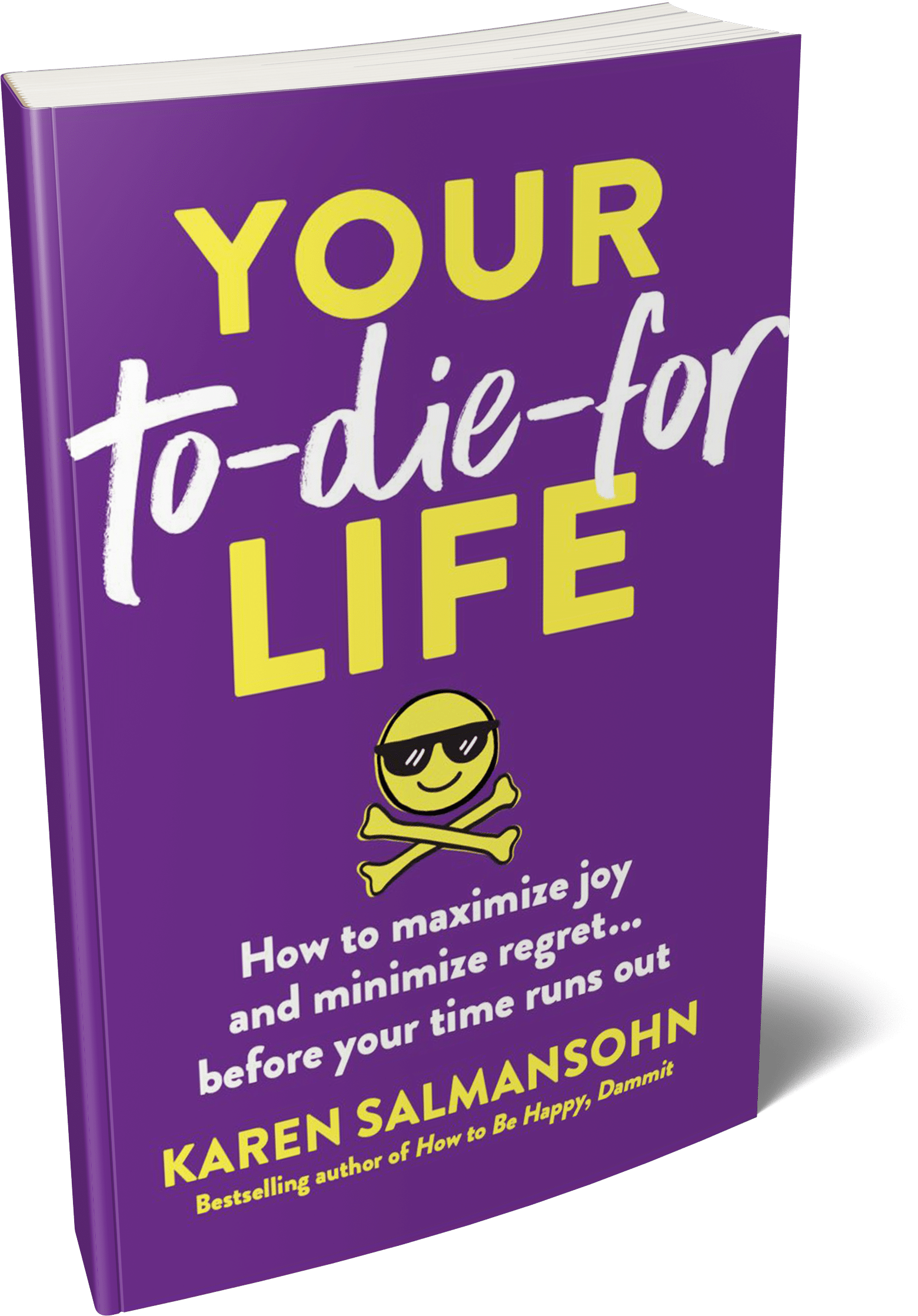

Get A Sneak Peek at my book “Your To-Die-For Life”!
Get a FREE sneak peek! Learn how to use Mortality Awareness as a wake up call to live more boldly.


 Mental health is usually seen as something for each person to do alone. But healing does not happen when someone is cut off. People need safe places to talk. They need support from others. They also need real help and groups where they feel that others know what they are going through. A better way is to mix help from experts with chances to connect, support from friends, and times to get involved in a healthy group.
Personalized therapy gives you a safe space where you can talk about your worries whenever you feel ready. If you are looking for austin tx counseling, one-on-one help can give you a plan to deal with stress, feel better when things are hard, talk about hard times in relationships, handle big changes in life, or focus on growing in your life.
But, you do not need to rely only on individual therapy for support. Counseling helps people know their feelings and learn better ways to deal with problems. Getting support from the community can help people use these skills outside the therapy room.
Community mental health opens up more ways for people to get support. Group therapy lets people meet others who may be going through the same things. When they hear what others have to say, it can make them feel less alone. It also helps people see that what they feel is not out of the ordinary.
Peer support is important in this. People who have been through the same things can help others feel understood in a way that is not like usual medical care. Community groups can link people to resources, education, and helpful programs. They also offer support in other ways.
|
Support Type |
Primary Role |
Community Benefit |
|
Individual counseling |
Personal reflection and coping |
Builds individual resilience |
|
Group therapy |
Shared experiences and feedback |
Reduces isolation |
|
Peer support |
Lived-experience connection |
Encourages belonging |
|
Family counseling |
Relationship communication |
Strengthens support networks |
|
Community advocacy |
Awareness and systemic change |
Improves access and inclusion |
When mental health is talked about in daily life, people feel better as a whole. It is not just something to talk about when things go wrong. Places like schools, work, nonprofits, families, and local groups can help. They can do this by starting honest talks and helping make it feel normal. This will take away the shame around mental health.
Good community mental health work can include:
This bigger idea shows that how you feel can change because of your relationships, money problems, family life, friends, and whether you can get help when you need it.
The strongest mental health systems give people support for problems right away, but they also do more. They help people find a way to feel connected. They help people feel sure about themselves. They help people support each other. They make it easier for people to be involved in their communities. A group like Capital Area Counseling shows that single and group services can help people reach these goals and feel better as a whole.
Community-based mental health does not take the place of seeing a counselor. It works with counseling, helping people feel supported, connected, and get help from others. If someone wants austin tx counseling, getting help from a counselor and having real support from people around them can make a big difference for their well-being. This can help everyone feel better together and feel better as a person.
Community mental health works to give people a way to get help for their feelings and actions. It also helps people feel more connected. There is more to it—people learn new things, get support, and share helpful tools with each other.
Yes. Group therapy helps give shared experiences and support. People practice talking with others and feel that they are part of a group. This can happen along with their one-on-one therapy sessions.
Peer support can help people feel understood by others who have been through the same thing. This can make people feel less alone. It also gives support to move forward and take part in life again.
People, couples, families, children, and groups can get a lot from many types of counseling and help from the community, based on what they need and want.
P.S. Before you zip off to your next Internet pit stop, check out these 2 game changers below - that could dramatically upscale your life.
1. Check Out My Book On Enjoying A Well-Lived Life: It’s called "Your To Die For Life: How to Maximize Joy and Minimize Regret Before Your Time Runs Out." Think of it as your life’s manual to cranking up the volume on joy, meaning, and connection. Learn more here.
2. Life Review Therapy - What if you could get a clear picture of where you are versus where you want to be, and find out exactly why you’re not there yet? That’s what Life Review Therapy is all about.. If you’re serious about transforming your life, let’s talk. Learn more HERE.
Think about subscribing for free weekly tools here.
No SPAM, ever! Read the Privacy Policy for more information.
