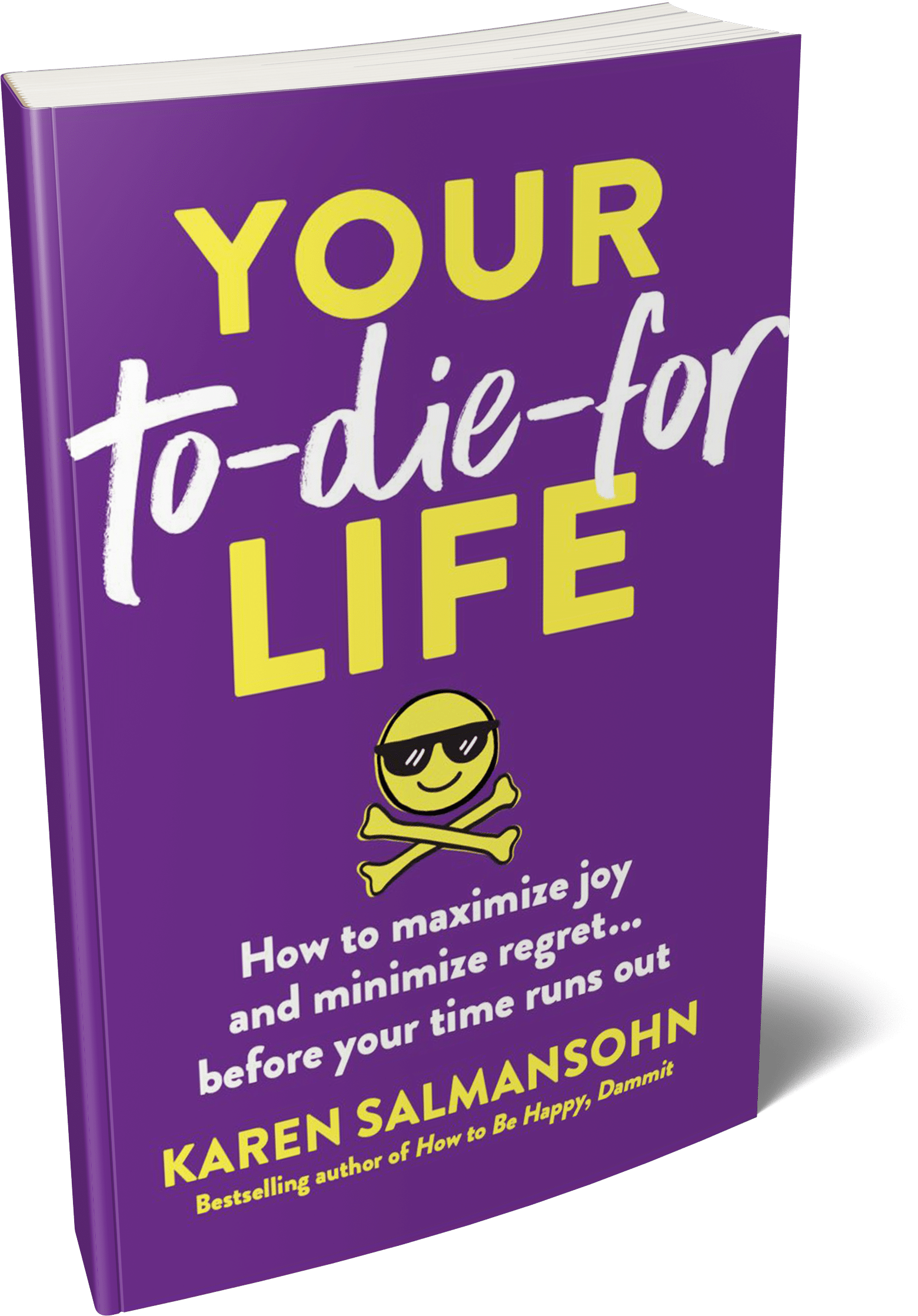

Get A Sneak Peek at my book “Your To-Die-For Life”!
Get a FREE sneak peek! Learn how to use Mortality Awareness as a wake up call to live more boldly.


 For people across Indiana, recovery can involve much more than stopping the use of drugs or alcohol. Substance use can affect sleep, nutrition, emotional health, relationships, physical fitness, routines, and a person’s overall sense of stability. Lasting progress often requires rebuilding several of these areas together. A holistic approach does not replace evidence-based addiction treatment. Instead, it recognizes that recovery can become stronger when clinical care is supported by healthier everyday habits, meaningful relationships, emotional awareness, and a lifestyle that gives people something positive to work toward.
Recovery needs are different from one person to another. Some individuals need the structure and supervision of residential treatment, while others may be medically stable and ready to receive care while continuing to live at home.
Outpatient treatment can be particularly useful when someone needs professional support but also has responsibilities involving work, education, or family. Programs can include individual counseling, group therapy, family involvement, medication management when appropriate, and support for co-occurring mental health concerns.
For Indiana residents comparing these options, Red Ribbon Recovery Indiana provides different levels of outpatient care, including standard outpatient treatment and more structured programs for people who require additional support.
Choosing the appropriate level of care should depend on factors such as the severity of substance use, medical stability, home environment, mental health needs, and previous treatment experiences. Recovery is more sustainable when treatment intensity matches what the individual genuinely needs rather than what happens to be most convenient.
Substance use can disrupt physical health in numerous ways, and recovery often creates an opportunity to begin paying attention to the body again.
That does not mean immediately adopting an intense exercise routine.
Walking, stretching, swimming, cycling, or basic strength exercises can provide manageable ways to become more active. The best activity is usually one that feels realistic enough to continue.
People recovering from prolonged substance use may have medical concerns that require professional guidance before substantially changing their exercise habits. Starting slowly can be especially important when energy levels, strength, or coordination have been affected.
Physical activity can also provide structure. Scheduling a morning walk or regular workout creates something predictable within the day and can gradually become part of a healthier lifestyle.
The objective is progress rather than physical perfection.
Eating patterns can become inconsistent during periods of substance use.
People may skip meals, rely heavily on convenient foods, experience appetite changes, or simply stop making nutrition a priority. Recovery offers an opportunity to rebuild those habits without turning food into another source of pressure.
Regular meals can provide structure while supporting everyday energy needs. A balanced approach may include vegetables, fruits, whole grains, suitable protein sources, and healthy fats.
Hydration deserves attention as well.
Instead of attempting an extremely restrictive diet, focus on consistency. Preparing a few simple meals, keeping nutritious snacks available, and eating at reasonably predictable times may be more sustainable than completely changing everything at once.
Anyone with significant nutritional concerns or medical conditions should seek individualized advice from an appropriate healthcare professional.
Sleep and recovery can have a complicated relationship.
Substance use may disrupt normal sleep patterns, while early recovery can also involve periods when rest does not immediately return to normal. That can be frustrating for someone expecting to feel better quickly.
A consistent routine can help create better conditions for sleep.
Try maintaining reasonably predictable sleeping and waking times. Keep the bedroom comfortable and reduce unnecessary stimulation before bed. Limiting late-night screen use and developing a quiet evening routine can also make the transition toward sleep easier.
Avoid replacing one substance with another simply to force sleep.
Persistent insomnia or severe sleep disruption should be discussed with healthcare professionals, particularly when medications or mental health conditions may be involved.
Improving sleep often takes patience, but consistent rest can support many other areas of wellness.
Substance use and mental health concerns can overlap.
Someone may experience anxiety, depression, trauma-related symptoms, or other emotional difficulties alongside addiction. In some cases, substances may have been used as a way of coping with uncomfortable thoughts or feelings.
Ignoring those underlying concerns can make recovery harder.
Therapy can help people recognize triggers, examine behavioral patterns, develop healthier coping strategies, and better understand the relationship between emotions and substance use.
Mental health treatment should be individualized. Different therapeutic approaches may be appropriate depending on a person’s experiences and symptoms.
Holistic recovery recognizes that sobriety and emotional wellness are connected without pretending that one automatically solves the other.
Learning how to experience difficult emotions without immediately escaping from them can become an important part of long-term progress.
Addiction can place considerable strain on relationships.
Trust may have been damaged, communication may have deteriorated, and relatives may have developed their own patterns for coping with the situation.
Recovery does not instantly repair those relationships.
Rebuilding trust usually requires consistent actions over time. Family therapy can sometimes provide a structured setting for discussing difficult experiences, establishing boundaries, and learning healthier communication.
Support outside the family can matter too.
Peer groups, recovery communities, counselors, mentors, and trusted friends can provide connection with people who understand the challenges involved.
At the same time, recovery may require reconsidering certain relationships. Spending substantial time around people or environments strongly connected with previous substance use can create unnecessary pressure.
A healthier social network should support the life someone is trying to build.
Substance use can gradually organize a person’s day around obtaining, using, or recovering from substances. Removing that cycle may leave unexpectedly large amounts of unstructured time.
Healthy routines can fill that space.
Work, exercise, therapy appointments, meals, hobbies, family responsibilities, and social activities can provide predictable anchors throughout the week.
Structure should not become excessive.
Scheduling every hour can create unnecessary pressure and leave little room for rest. The goal is simply to reduce long periods of boredom or uncertainty that may make old habits more tempting.
Hobbies are particularly valuable because recovery should involve more than avoiding substances.
Learning, cooking, creating art, playing sports, volunteering, gardening, or pursuing other interests can help people rediscover enjoyment and develop an identity that is not centered entirely on addiction.
Stopping substance use is an important milestone, but recovery is usually an ongoing process rather than a single event.
Long-term wellness requires attention to the circumstances that support continued progress.
That can include maintaining therapy, attending support groups, following an aftercare plan, protecting sleep, exercising, strengthening relationships, and recognizing triggers before they become overwhelming.
Setbacks should also be taken seriously without being treated as proof that recovery is impossible. When difficulties occur, the useful question is what needs to change. Someone may require more structured treatment, stronger social support, different coping strategies, or renewed professional involvement.
Holistic wellness ultimately means creating a life that supports recovery from several directions. Physical health, emotional stability, relationships, meaningful activities, healthy routines, and professional care can reinforce one another.
Recovery is not simply about removing something harmful. It is also about gradually adding the habits, connections, skills, and sense of purpose that make returning to a healthier life possible.
P.S. Before you zip off to your next Internet pit stop, check out these 2 game changers below - that could dramatically upscale your life.
1. Check Out My Book On Enjoying A Well-Lived Life: It’s called "Your To Die For Life: How to Maximize Joy and Minimize Regret Before Your Time Runs Out." Think of it as your life’s manual to cranking up the volume on joy, meaning, and connection. Learn more here.
2. Life Review Therapy - What if you could get a clear picture of where you are versus where you want to be, and find out exactly why you’re not there yet? That’s what Life Review Therapy is all about.. If you’re serious about transforming your life, let’s talk. Learn more HERE.
Think about subscribing for free weekly tools here.
No SPAM, ever! Read the Privacy Policy for more information.
