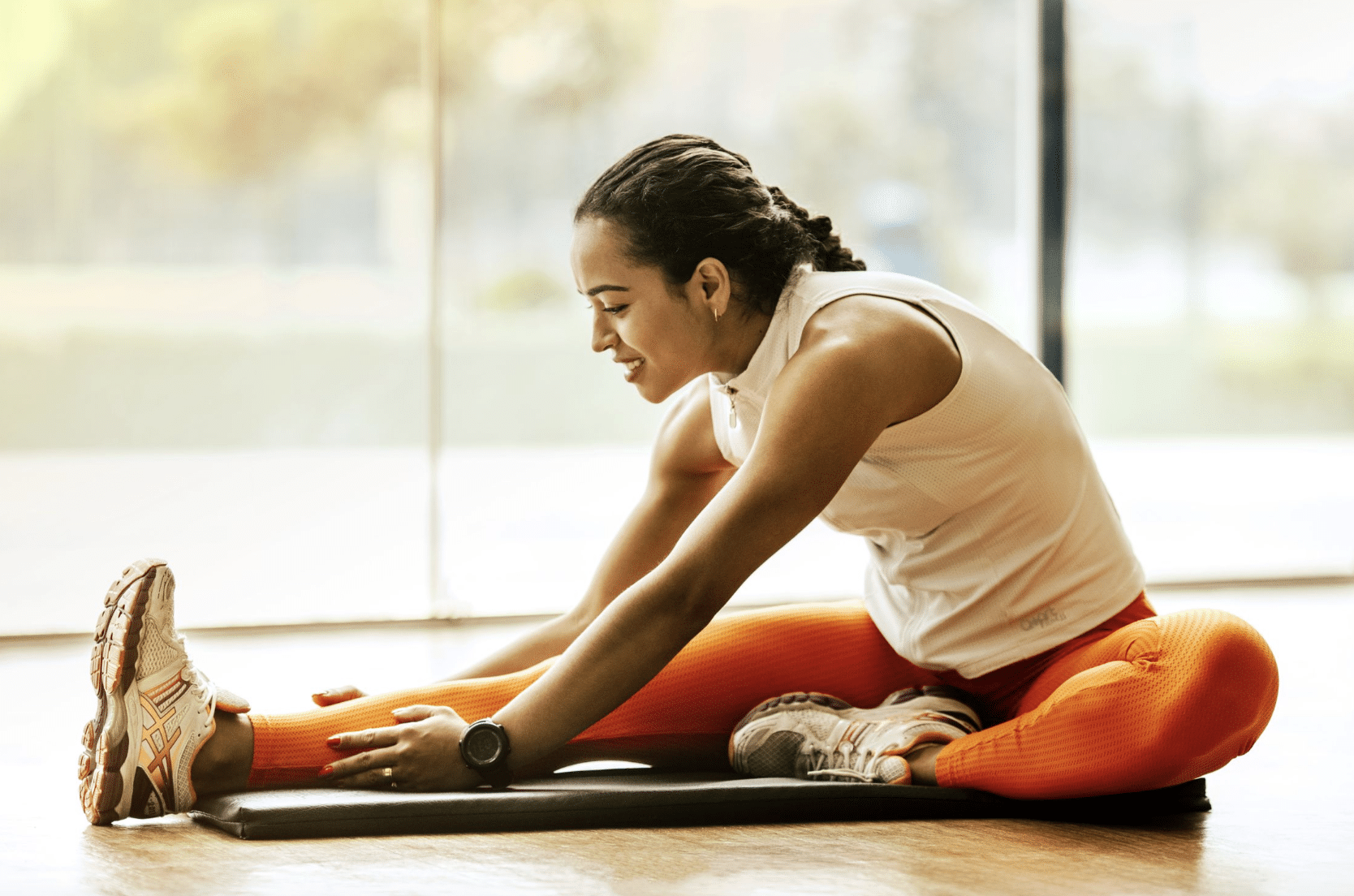
 There was a time when exhaustion was treated almost like proof of ambition. Long hours, skipped meals, and constant stress were worn proudly, especially in competitive industries where slowing down seemed impossible. That attitude has started shifting quietly. Many professionals still work demanding schedules, though wellness is being approached with far more intention now.
Busy professionals are now paying attention to how their bodies respond to nonstop pressure. Brain fog during meetings, restless sleep after late-night work, and low energy during ordinary tasks are no longer brushed aside as normal parts of success. A must-keep-going-no-matter-what mindset is being questioned more seriously because burnout affects work performance as much as personal well-being.
Wellness is also being viewed differently than before. It is not limited to gym memberships or occasional vacations anymore. Busy professionals want routines that fit realistically into demanding lives, because health support only matters when it can actually be maintained consistently.
Convenience Has Become Part Of Wellness
Time has become one of the most valuable resources for working professionals. Because of that, wellness services that feel practical and accessible are being prioritized far more often. People want support that works around packed schedules rather than adding more stress to already crowded days.
This shift explains why establishments like Onus IV Therapy + Longevity are drawing attention from people seeking efficient wellness options without disrupting their routines entirely. Services involving hydration support, recovery treatments, and medically supervised wellness care fit naturally into lifestyles where exhaustion can build quickly after travel, meetings, or extended work hours.
Would someone managing constant deadlines willingly commit to complicated wellness routines that consume entire weekends? In many cases, the answer is no. Simplicity matters because consistency becomes easier when wellness feels manageable.
Recovery has also become more intentional. Professionals are no longer waiting until complete exhaustion sets in before addressing stress or fatigue. Instead, smaller wellness decisions are being built into weekly routines before problems escalate.
For example, someone returning from frequent business travel may prioritize hydration-focused recovery after long flights and irregular sleep schedules. Another professional balancing demanding office work with parenting responsibilities might schedule wellness treatments during quieter periods of the week to maintain energy levels more consistently.
The idea of self-care has become more practical too. Wellness is increasingly connected to productivity, focus, and emotional stability rather than luxury alone. Many professionals now view health maintenance as part of career sustainability itself.
Small Habits Are Carrying More Weight
Wellness among busy professionals is no longer built around dramatic lifestyle changes. Smaller habits are being valued because they fit more naturally into demanding schedules and feel easier to maintain consistently.
Some routines professionals are prioritizing include:
- Better hydration throughout the workday
- More consistent sleep schedules
- Scheduled recovery periods after travel
- Reduced after-hours screen exposure
- Healthier meal planning during busy weeks
- Regular movement during long workdays
- Preventive wellness appointments
These habits may seem simple, though their impact becomes noticeable when practiced consistently. Wellness is increasingly being treated like maintenance rather than emergency repair.
Nutrition has also become more intentional. Professionals working long hours are paying closer attention to energy crashes caused by skipped meals or highly processed foods. Quick convenience still matters, although people want healthier options supporting sustained focus during demanding days.
Movement is being integrated differently too. Instead of relying entirely on intense workout schedules, many professionals are incorporating smaller forms of activity throughout the day. Walking meetings, stretching breaks, and shorter exercise sessions are becoming more common because they feel achievable within packed calendars.
Technology plays an interesting role in this shift. Wellness tracking tools, sleep monitoring devices, and digital health reminders are helping people notice patterns they previously ignored. Awareness creates accountability, especially when energy levels or stress symptoms become easier to track visually.
Wellness Is Becoming Part Of Professional Success
Career success and personal wellness were often treated as separate priorities in the past. That separation feels less realistic now. Professionals are recognizing that physical health, emotional stability, and mental clarity influence workplace performance directly.
This perspective is changing how wellness is discussed socially. Taking time to recover no longer carries the same stigma in many professional circles. Instead, balanced routines are increasingly associated with sustainability and long-term performance.
The conversation has also become more preventive. Rather than waiting for serious exhaustion, people are trying to take charge of your health earlier through manageable routines, regular wellness care, and more realistic boundaries around work obligations.
Would professionals continue performing at high levels while constantly ignoring sleep, stress, and recovery? Eventually, most people recognize the limitations of that approach.
Employers are responding to this shift as well. Wellness stipends, mental health resources, and flexible work policies are becoming more common because healthier employees often maintain stronger engagement and productivity.
Another important change involves emotional awareness. Professionals are becoming more willing to discuss stress openly instead of pretending constant pressure feels manageable all the time. That honesty creates healthier workplace conversations and reduces some of the isolation tied to burnout.
Wellness has become less performative too. People are focusing less on appearing healthy online and more on building routines that actually support daily life behind the scenes.
People Want Energy That Lasts
Busy professionals are approaching wellness differently because the old approach stopped feeling sustainable. Constant exhaustion, irregular routines, and nonstop pressure eventually affect both personal well-being and professional performance. More people are recognizing that health support is not separate from success. It supports it directly.
Modern wellness habits are being shaped by practicality, flexibility, and recovery rather than unrealistic perfection. Professionals want routines that fit naturally into demanding lives without creating additional pressure. Small decisions around hydration, rest, nutrition, and stress management are carrying more importance because consistency matters more than dramatic changes.
The future of professional wellness will likely continue evolving, though one idea has become increasingly clear. People perform better when they actually feel well. Energy, focus, and emotional balance are not luxuries reserved for free time. They are becoming necessary parts of sustainable success.
P.S. Before you zip off to your next Internet pit stop, check out these 2 game changers below - that could dramatically upscale your life.
1. Check Out My Book On Enjoying A Well-Lived Life: It’s called "Your To Die For Life: How to Maximize Joy and Minimize Regret Before Your Time Runs Out." Think of it as your life’s manual to cranking up the volume on joy, meaning, and connection. Learn more here.
2. Life Review Therapy - What if you could get a clear picture of where you are versus where you want to be, and find out exactly why you’re not there yet? That’s what Life Review Therapy is all about.. If you’re serious about transforming your life, let’s talk. Learn more HERE.
Think happier. Think calmer.
Think about subscribing for free weekly tools here.
No SPAM, ever! Read the Privacy Policy for more information.
One last step!
Please go to your inbox and click the confirmation link we just emailed you so you can start to get your free weekly NotSalmon Happiness Tools! Plus, you’ll immediately receive a chunklette of Karen’s bestselling Bounce Back Book!


