
Get A Sneak Peek at my book “Your To-Die-For Life”!
Get a FREE sneak peek! Learn how to use Mortality Awareness as a wake up call to live more boldly.


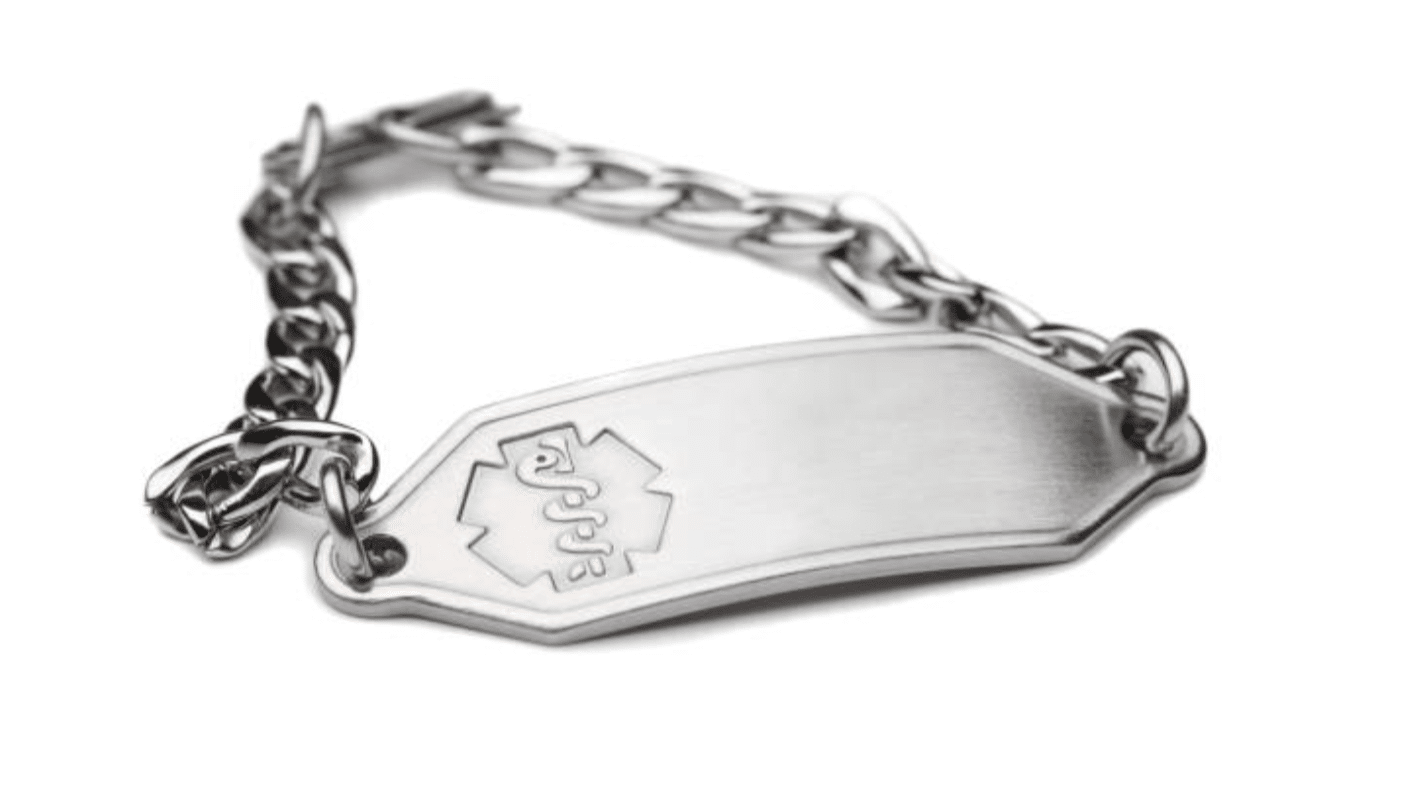 Most people never think about what would happen if they suddenly needed emergency care and could not speak for themselves. A car accident, a sudden collapse, a severe allergic reaction — in those moments, the paramedics arriving on the scene know nothing about the person in front of them. They do not know what medications are being taken, what conditions have been diagnosed, or what treatments could cause serious harm.
A medical alert bracelet solves that problem in the most direct way possible. It puts critical health information where first responders are trained to look, on the wrist, readable in seconds, requiring no phone signal or passcode. For people managing certain health conditions, wearing one is not optional — it is genuinely one of the most important safety decisions they can make.
So what medical conditions require a medical alert bracelet? The list is longer than most people expect.
Some medical conditions are manageable on a day-to-day basis but become life-threatening the moment something goes wrong, and the right people do not have the right information. The conditions below represent the clearest cases where wearing medical bands is not just a good idea but a meaningful layer of protection.
People with Type 1 diabetes are at constant risk of hypoglycemic episodes, where blood sugar drops to dangerous levels and causes confusion, slurred speech, or loss of consciousness. These symptoms are frequently mistaken for intoxication, which leads to delayed or incorrect treatment.
A medical alert bracelet identifying someone as diabetic and insulin-dependent tells responders to check blood glucose levels immediately rather than working through a longer list of possibilities. For someone who cannot communicate, that single piece of information can redirect an entire emergency response.
A seizure in a public place often triggers well-meaning but potentially harmful responses from bystanders. Restraining someone during a seizure, putting objects in their mouth, or calling for treatments that interact badly with existing anticonvulsant medications can all make the situation worse.
A medical alert bracelet for epilepsy tells bystanders and responders what they are actually dealing with, how long to time the seizure, and what medications the person is taking. It also flags whether the person has an implanted vagus nerve stimulator, which affects how certain emergency interventions should be handled. Epilepsy is one of the clearest answers to the question of which medical condition would require an alert notification worn on the body at all times.
Anaphylaxis is fast and it is serious. Within minutes of exposure to a trigger, a person with a severe allergy can experience throat swelling, a drop in blood pressure, and loss of consciousness. The window for effective intervention is narrow.
An allergy medical alert band identifies the specific allergen and flags whether the person carries an epinephrine auto-injector. That information tells first responders what triggered the reaction and what treatment to prioritize. For people with allergies to medications like penicillin, a bracelet also prevents well-intentioned treatments from causing additional harm.
Severe asthma attacks can escalate quickly, particularly when the person is too distressed to communicate clearly or loses consciousness. Responders who know they are dealing with asthma can administer bronchodilators appropriately and avoid treatments that might aggravate the airway.
A medical alert bracelet for asthma is especially important for people with exercise-induced asthma, who may collapse during physical activity in settings where bystanders have no context for what is happening. It provides the baseline information that guides the initial response before any further assessment can take place.
People taking blood thinners such as warfarin or newer anticoagulants present a very specific challenge in emergency care. Standard treatments for bleeding, trauma, or surgical intervention can become dangerous without knowing that a patient is anticoagulated. Dosing decisions, surgical preparation, and medication choices all change when blood clotting function is compromised.
A medical alert bracelet that identifies anticoagulant use is one of the most clinically important pieces of information a first responder or emergency physician can have. Missing it can turn a treatable injury into a life-threatening complication.
For some medical conditions, the primary risk in an emergency is not the condition itself but the fact that the person may be unable to accurately communicate their history, their needs, or even their identity. This is where the question of what conditions require a medical alert bracelet becomes especially relevant.
People living with Alzheimer’s disease or other forms of dementia can become disoriented quickly, wander away from familiar settings, and be unable to identify themselves or explain their medical history when found. A medical band with a name, diagnosis, and emergency contact number gives anyone who encounters them, whether a passerby, a police officer, or a paramedic, an immediate way to help.
For people in the earlier stages of dementia who still live independently, a bracelet also communicates to responders that any apparent confusion or unusual behavior may be symptom-related rather than substance-related, which prevents misidentification and delays.
Not everyone with autism spectrum disorder will face a medical emergency related to their diagnosis, but the communication challenges that accompany many presentations of ASD can make any emergency significantly more difficult. A person who is non-verbal, who becomes overwhelmed in high-stimulation situations, or who responds atypically to touch or authority figures may be misread by first responders with no background information.
A medical alert bracelet for autism can communicate the diagnosis, note that the person may not respond to verbal commands in a typical way, and provide an emergency contact. That context shapes how responders approach the situation and reduces the risk of responses that escalate rather than de-escalate.
Certain psychiatric conditions, including schizophrenia, bipolar disorder with psychotic features, and dissociative disorders, can cause episodes where the person is disconnected from their surroundings, behaving in ways that appear alarming, or unable to accurately represent their own medical history.
In those situations, a medical alert bracelet serves a different purpose than it does for a physical condition. It tells responders that there is a known diagnosis involved, that the person may be on psychiatric medications with significant interaction profiles, and that there is someone to contact who understands the person’s history. That information can meaningfully change how a psychiatric emergency is handled.
Some medical conditions do not necessarily make a person more likely to collapse or lose consciousness, but they require emergency responders to follow specific protocols or avoid specific treatments. These are equally valid answers to the question of what medical conditions require a medical alert bracelet.
Adrenal insufficiency, including Addison’s disease, is one of the most underappreciated conditions on this list. People with adrenal insufficiency cannot produce adequate cortisol in response to physical stress, illness, or injury. What would be a manageable infection or minor trauma for most people can trigger an adrenal crisis in someone with this condition, characterized by severe low blood pressure, vomiting, and collapse.
Emergency treatment for adrenal crisis requires immediate hydrocortisone injection, and the window for effective intervention is short. Without a medical band identifying the condition and the required treatment, even experienced emergency teams may not consider it quickly enough. This is a condition where wearing a bracelet is not just useful but genuinely life-saving.
People with pacemakers, implantable cardioverter-defibrillators (ICDs), cochlear implants, deep brain stimulators, or insulin pumps carry devices that directly affect how they should be treated in an emergency. MRI machines, for instance, are contraindicated for many implanted devices. Defibrillation protocols change when a patient has an ICD. Certain surgical procedures require different preparation.
A medical alert bracelet identifying an implanted device tells emergency teams to ask the right questions before proceeding with standard protocols. It does not replace a full medical history, but it prevents the kind of assumptions that can turn a routine emergency intervention into a serious complication.
Knowing which medical condition would require an alert notification is only part of the answer. What the bracelet actually says matters just as much. The most useful medical alert bracelets include the following:
Brevity matters. First responders need to read a bracelet in seconds, not minutes, so the most critical information should come first and the language should be clear and direct.
A medical alert bracelet does not treat any condition. It does not prevent emergencies or replace medical care. What it does is ensure that when something goes wrong, the people responding have the information they need to help rather than harm.
For each of the conditions above, that information can make an enormous practical difference. Whether it redirects an incorrect treatment, prevents a dangerous drug interaction, or simply tells a responder who to call, the bracelet closes the gap between what a person needs and what a stranger in a high-pressure moment can reasonably know.
That is a small thing to wear every day for a very significant return.
P.S. Before you zip off to your next Internet pit stop, check out these 2 game changers below - that could dramatically upscale your life.
1. Check Out My Book On Enjoying A Well-Lived Life: It’s called "Your To Die For Life: How to Maximize Joy and Minimize Regret Before Your Time Runs Out." Think of it as your life’s manual to cranking up the volume on joy, meaning, and connection. Learn more here.
2. Life Review Therapy - What if you could get a clear picture of where you are versus where you want to be, and find out exactly why you’re not there yet? That’s what Life Review Therapy is all about.. If you’re serious about transforming your life, let’s talk. Learn more HERE.
Think about subscribing for free weekly tools here.
No SPAM, ever! Read the Privacy Policy for more information.