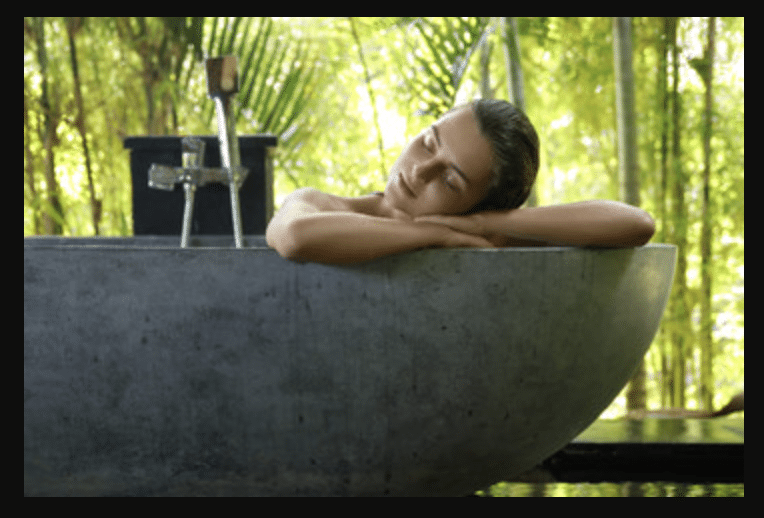
 Natural ingredients like seeds and clays help craft high-quality soaps, candles, and personal care products that are safe for consumers. Organic ingredients may integrate more easily into the crafts, and this helps deliver apothecary products with stability and consistency. Here are a few types of natural ingredients for your apothecary products:
Natural Oils
Natural oils are key to creating products such as lip balms, soaps, and serums. They have hydration properties for creating apothecary products with moisturizing effects. These ingredients also form stable bases for balms and serums, and this controls absorption and spreadability. Stable base structures can also enhance saponification when crafting soaps. Some types of natural oils for making apothecary crafts include:
- Castor oil: Castor oil helps stabilize oil-water mixtures when crafting apothecary products, because it acts as a natural emulsifier. This binds ingredients to create products with appropriate texture.
- Jojoba oil: Jojoba oil tends to have low oxidative potential. This means it doesn’t go rancid quickly, so it can extend the shelf life of your products.
- Avocado oil: Avocado oil delivers antioxidants and vitamins into your apothecary crafts, and this helps create skin-nourishing products for users.
Incorporating natural oils when making soap enhances both conditioning properties and lather quality. Enhanced bubbly lather or stabilized foam improves creaminess, and this results in soap products that effectively clean the skin without stripping it. Natural oils extracted by cold-press methods are often suitable because they retain fatty acids and offer greater stability. They also provide a neutral scent, minimizing skin irritants.
Butters and Waxes
Using butters and waxes helps you create serums and balms with enhanced moisture-retention properties. Products crafted with these ingredients form a semi-occlusive layer on the skin, and this helps promote prolonged hydration. Butters and waxes also impact the viscosity and texture of crafted products. You can achieve creamy lip balms and firmer soaps that don’t dissolve quickly in water.
Butters, such as shea and cocoa, provide thickness and emollience and melt at near-skin temperatures, making them useful for creating rich, creamy serums and balms. Beeswax can be added to soap to increase bar hardness and support binding between water and oils. This helps create a firmer, more uniform product. Lip balms formulated with waxes have enhanced film-forming properties and adhesion, which help them remain on the skin’s surface for longer.
Confirming melting profiles and fatty acid composition can guide you in selecting ideal butters and waxes for your products. Ingredients with lower melting points are ideal for creating serums because they provide softer textures. Higher melting points result in firmer soap bars and creams. Other factors to guide you in selecting butters and waxes for your apothecary products include:
- Origin
- Purity
- Oxidation resistance
- Form or structural performance
- Degree of refinement
Color Additives
Color additives can help you create serums and lip balms with vibrant, uniform hues. Natural mica powders give products a shimmering effect, helping grab your target customers’ attention. Color blocks made from natural ingredients provide concentrated pigmentation that dilutes slowly and precisely, giving products subtle tones that don’t overpower bases.
You can experiment with different combinations of mica powders and color blocks, and this allows you to achieve unique shades that suit your brand’s aesthetic. Assess factors such as base-dispersion compatibility, particle size, and purity. This helps you select high-quality natural color additives for your apothecary crafts.
Decorative Botanicals
Decorative botanicals like rose petals, lavender flowers, calendula petals, and chamomile blossoms add colorful toppers and speckled textures to soap. Lavender flowers also release calming scents into lip balms, while cinnamon sticks add warm fragrance notes as the soaps are curing. Botanicals such as hibiscus or cornflower petals can also be used to create vibrant swirls and embedded accents in soaps. Checking moisture content helps you purchase properly dried decorative botanicals that don’t support microbial growth or compromise the stability of the final products.
Elevate Your Apothecary Products
Natural ingredients can help you create apothecary products that combine both aromatic and functional characteristics. The absence of impurities, such as fillers or chemicals, in these ingredients enhances the safety and shelf life of your crafts. Hand-picking natural products may also help reduce allergy triggers or skin irritation. Buy organic ingredients from a reputable wholesaler today and start making quality soaps, balms, or serums.
P.S. Before you zip off to your next Internet pit stop, check out these 2 game changers below - that could dramatically upscale your life.
1. Check Out My Book On Enjoying A Well-Lived Life: It’s called "Your To Die For Life: How to Maximize Joy and Minimize Regret Before Your Time Runs Out." Think of it as your life’s manual to cranking up the volume on joy, meaning, and connection. Learn more here.
2. Life Review Therapy - What if you could get a clear picture of where you are versus where you want to be, and find out exactly why you’re not there yet? That’s what Life Review Therapy is all about.. If you’re serious about transforming your life, let’s talk. Learn more HERE.
Think happier. Think calmer.
Think about subscribing for free weekly tools here.
No SPAM, ever! Read the Privacy Policy for more information.
One last step!
Please go to your inbox and click the confirmation link we just emailed you so you can start to get your free weekly NotSalmon Happiness Tools! Plus, you’ll immediately receive a chunklette of Karen’s bestselling Bounce Back Book!


