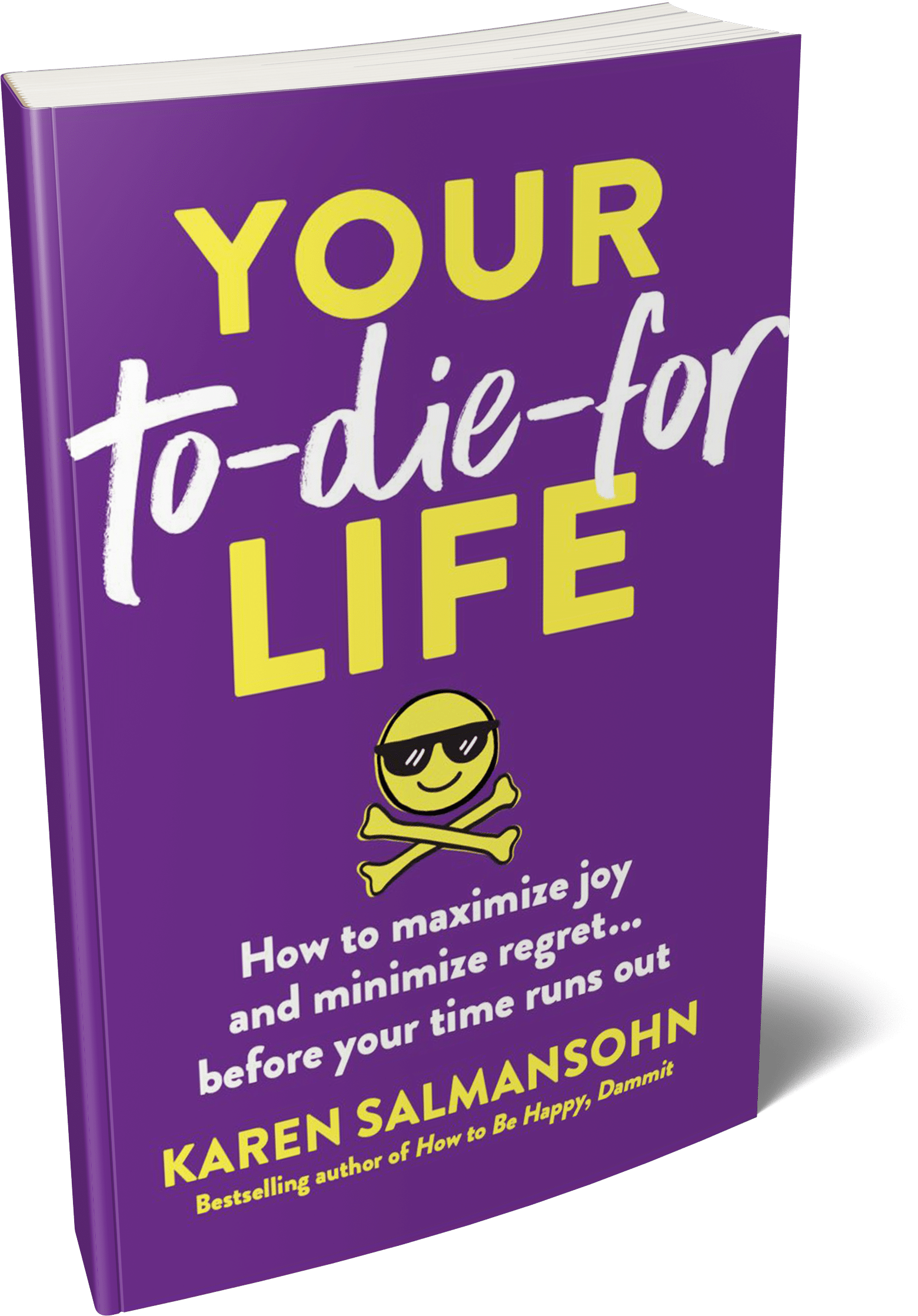

Get A Sneak Peek at my book “Your To-Die-For Life”!
Get a FREE sneak peek! Learn how to use Mortality Awareness as a wake up call to live more boldly.


 Here is a health fact most people find genuinely surprising: your tooth enamel is the hardest substance your body produces — significantly harder than bone. It ranks roughly between 5 and 6 on the Mohs scale of hardness, comparable to apatite and harder than bone, outperforming gold, silver, and iron.
And yet, unlike bone, it cannot repair itself the way the rest of your body can. That asymmetry matters more than most people realize, because enamel loss is cumulative, largely invisible until it is not, and directly tied to habits you are probably carrying out every single day.
As researchers are beginning to uncover, is that the picture is more nuanced than the old “enamel is gone forever” story we grew up hearing. Understanding what actually happens to your enamel as you age over time is the first step to doing something meaningful about it.
Tooth enamel does not regenerate the way bone does — your body cannot produce new enamel cells after childhood. However, existing enamel can be strengthened and partially remineralized through targeted nutritional and oral care strategies. Early-stage mineral loss is more reversible than most people think, which makes daily habits far more consequential than most people act like they are.
Enamel is made up of around 96% mineral. Primarily a crystalline calcium phosphate compound called hydroxyapatite — which gives your teeth their structural integrity. It is the most highly mineralized substance the human body produces.
What makes enamel unique, and uniquely vulnerable, is that it is formed exclusively by cells called ameloblasts. Those cells die off once your adult teeth have fully formed. From that point on, you are working with a fixed supply. Every cup of coffee, every acidic food, every night of grinding your teeth in your sleep makes small withdrawals from an account that cannot be topped up the same way a savings account can.
Enamel erosion happens through two main pathways: acid erosion, where dietary or stomach acids gradually dissolve the mineral surface, and mechanical wear from grinding, clenching, or abrasive brushing. Neither pathway announces itself loudly. You do not feel enamel thinning the way you feel a pulled muscle. By the time sensitivity, discoloration, or chipping appear, significant erosion has often already occurred.
This is why what you do in your 20s and 30s materially affects what your enamel looks and feels like in your 50s and 60s. Enamel care is one of those areas where prevention compounds over time — in both directions.
For decades, the clinical consensus was straightforward: lost enamel is lost permanently. That remains true at the macroscopic level — your body cannot grow back a chipped tooth or restore visibly thinned enamel. However, researchers studying enamel at the mineral level have found something more encouraging.
Enamel exists in a continuous state of mineral flux. Throughout each day, acids from food and bacteria draw calcium and phosphate ions out of the enamel surface — a process called demineralization. This begins when mouth pH drops below approximately 5.5. During lower-acid periods, particularly after saliva has had time to buffer the mouth’s pH, those minerals can redeposit into the enamel surface, partially restoring its density. This is remineralization, and it is happening in your mouth right now.
A growing body of enamel regeneration research suggests that this natural cycle can be meaningfully influenced by specific minerals — particularly calcium, phosphate, and compounds that interact directly with enamel’s surface chemistry. The current science indicates that what you eat, how often you eat it, and what you apply to your teeth all have measurable effects on enamel mineral density over time.
One important implication: early-stage enamel mineral loss — sometimes called subclinical demineralization or “white spot lesions” — may be partially reversible with consistent remineralization support. This is a meaningfully different picture from the old binary of “enamel intact” versus “enamel gone.” There is a large, actionable middle ground.
The erosion triggers most people overlook are not dramatic — they are mundane. Sipping sparkling water, kombucha, or coffee throughout the day keeps mouth pH persistently low, giving remineralization almost no window to occur. Brushing immediately after acidic foods or drinks — a common instinct — can actually scrub away softened enamel before it has had a chance to reharden. The American Dental Association recommends waiting at least 30 minutes after consuming anything acidic before brushing, specifically for this reason.
Chronic dry mouth — from medications, dehydration, or mouth breathing during sleep — reduces saliva flow, which is your body’s primary natural defense against acid and the key delivery system for remineralizing minerals.
Chronic stress is associated with increased teeth grinding (bruxism), reduced sleep quality, and dietary patterns that tend to shift toward more acidic, processed foods. The compounding here operates almost entirely below the level of conscious awareness until symptoms appear — which is exactly the kind of behavioral trap worth understanding before it becomes a dental bill.
The single habit change with the most outsized impact is perhaps the least intuitive: reducing the frequency of acid exposure rather than simply its intensity. It is not just what you eat — it is how often your enamel is under acid attack throughout the day.
The most effective enamel support strategies work by either reducing acid exposure, enhancing saliva’s natural buffering capacity, or directly supplying the minerals enamel needs to remineralize. Nutrition plays a larger role here than most people appreciate.
Calcium and phosphate are the raw materials enamel uses to remineralize. Both are diet-dependent. Vitamin D is required for calcium absorption. Magnesium is associated with healthy hydroxyapatite crystal structure. Vitamin K2 has been studied for its role in directing calcium metabolism in mineralized tissues, which may indirectly support dental mineral metabolism. Deficiencies in these nutrients can create a supply-chain problem for remineralization, regardless of how consistently you are brushing.
The active ingredient in your toothpaste matters more than the brand name on the tube. Fluoride has long been the standard for enhancing remineralization, but there is a growing and credible body of evidence around alternative mineral compounds. Nano-hydroxyapatite — a synthetic form of the same mineral that makes up enamel — has attracted significant research interest as one of the more promising biomimetic tooth care ingredients. “Biomimetic” simply means mimicking biological structure — in this case, supplying enamel with the exact mineral it is made from, in a form that can integrate directly into the enamel surface.
Studies published in BDJ Open and Frontiers in Public Health have found nano-hydroxyapatite to be comparable to fluoride for caries prevention and remineralization in several controlled clinical trials, with a particularly well-documented safety profile. The evidence base is smaller than fluoride’s decades of research, but it is considered credible within the field and continues to expand.
Rounding out a practical approach: xylitol-containing products have well-documented evidence for reducing acid-producing bacteria in the mouth. And consistently breathing through your nose rather than your mouth — particularly during sleep — makes a meaningful difference to overnight saliva production and the pH environment in which your enamel spends roughly eight hours.
Brushing too hard or too soon after eating is likely the single most widespread mistake. Use a soft-bristle brush, a gentle circular motion, and wait at least 30 minutes after anything acidic before brushing. Enamel softened by acid is significantly more vulnerable to abrasion in that window.
Assuming tooth sensitivity always means cavities is another common misread. Sensitivity that appears without visible damage is often an early signal of enamel thinning — something worth raising with a dentist before it progresses further, since early-stage mineral loss is far easier to address than advanced erosion.
Finally, treating toothpaste as a commodity is worth reconsidering. The active ingredients — whether fluoride, nano-hydroxyapatite, or stannous fluoride compounds — have meaningfully different mechanisms of action on enamel mineral density. It takes about two minutes to read the label. That is a good return on investment for something you use twice a day for your entire life.
Not in the way that bone heals. Your body cannot produce new enamel cells after childhood, since the cells responsible — ameloblasts — die off once adult teeth have fully formed. However, existing enamel can remineralize, meaning early-stage mineral loss can be partially reversed when the right minerals are present and acid exposure is reduced. The goal is protecting and densifying what you have, not regrowing what is fully gone.
Early enamel erosion is usually symptomless — which is part of what makes it difficult to catch. As it progresses, common signals include increased sensitivity to temperature and sweet foods, a slightly translucent or yellowish appearance at the tooth edges (dentin showing through the thinning enamel), and minor chipping at the biting surfaces. Any persistent sensitivity is worth mentioning to a dentist sooner rather than later.
Yes, with appropriate caveats. Several controlled clinical trials have found nano-hydroxyapatite comparable to fluoride for remineralization and caries prevention, including studies published in BDJ Open and Frontiers in Public Health. The overall evidence base is smaller than fluoride’s and continues to develop, but it is considered credible within the dental research community.
The frequency of acid exposure matters as much as sugar content. Citrus, vinegar-based dressings, carbonated beverages — including plain sparkling water — and fermented foods all lower mouth pH. The practical adjustment is not eliminating these foods but consolidating when you consume them. Drinking acidic beverages with meals rather than sipping them throughout the day gives your enamel significantly more recovery time between acid exposures.
Yes — particularly for remineralization. Calcium, phosphate, Vitamin D, and Vitamin K2 are all involved in the mineral metabolism that supports enamel density in adults. Research has associated Vitamin D deficiency in particular with impaired calcium utilization, which may affect how effectively remineralization occurs between acid exposures. Nutritional support does not replace topical care but can meaningfully complement it.
Reducing the frequency of acid exposure throughout the day — not just the quantity. Consolidating acidic foods and beverages to mealtimes rather than grazing on them continuously gives saliva time to do its remineralizing work between exposures. This behavioral adjustment costs nothing and has a strong evidence base behind it.
Most people think of enamel care as a nighttime routine. The most protective window is actually the 20 to 40 minutes after you finish eating, when saliva is actively working to rebuffer your mouth’s pH. This is precisely when you should not brush — and when rinsing with plain water, or using a remineralizing product, makes the most practical difference. Think of it as the recovery phase of a workout: what you do in the window immediately after the main event is often where the real adaptation happens.
Your enamel is a fixed resource. But it is not a completely static one. The mineral chemistry happening on the surface of your teeth responds to what you eat, how often you eat it, and what you apply to them. Early-stage mineral loss is more addressable than most people realize, which means the habits you build now compound in your favor over years and decades. Understanding the mechanics of enamel aging is not about anxiety — it is about having the information to make choices that genuinely protect something irreplaceable. That is the kind of behavioral change that tends to stick, because the reasoning behind it makes sense.
This article is for informational purposes only and does not constitute dental or medical advice. Please consult a qualified dental professional for guidance specific to your oral health situation.
P.S. Before you zip off to your next Internet pit stop, check out these 2 game changers below - that could dramatically upscale your life.
1. Check Out My Book On Enjoying A Well-Lived Life: It’s called "Your To Die For Life: How to Maximize Joy and Minimize Regret Before Your Time Runs Out." Think of it as your life’s manual to cranking up the volume on joy, meaning, and connection. Learn more here.
2. Life Review Therapy - What if you could get a clear picture of where you are versus where you want to be, and find out exactly why you’re not there yet? That’s what Life Review Therapy is all about.. If you’re serious about transforming your life, let’s talk. Learn more HERE.
Think about subscribing for free weekly tools here.
No SPAM, ever! Read the Privacy Policy for more information.
