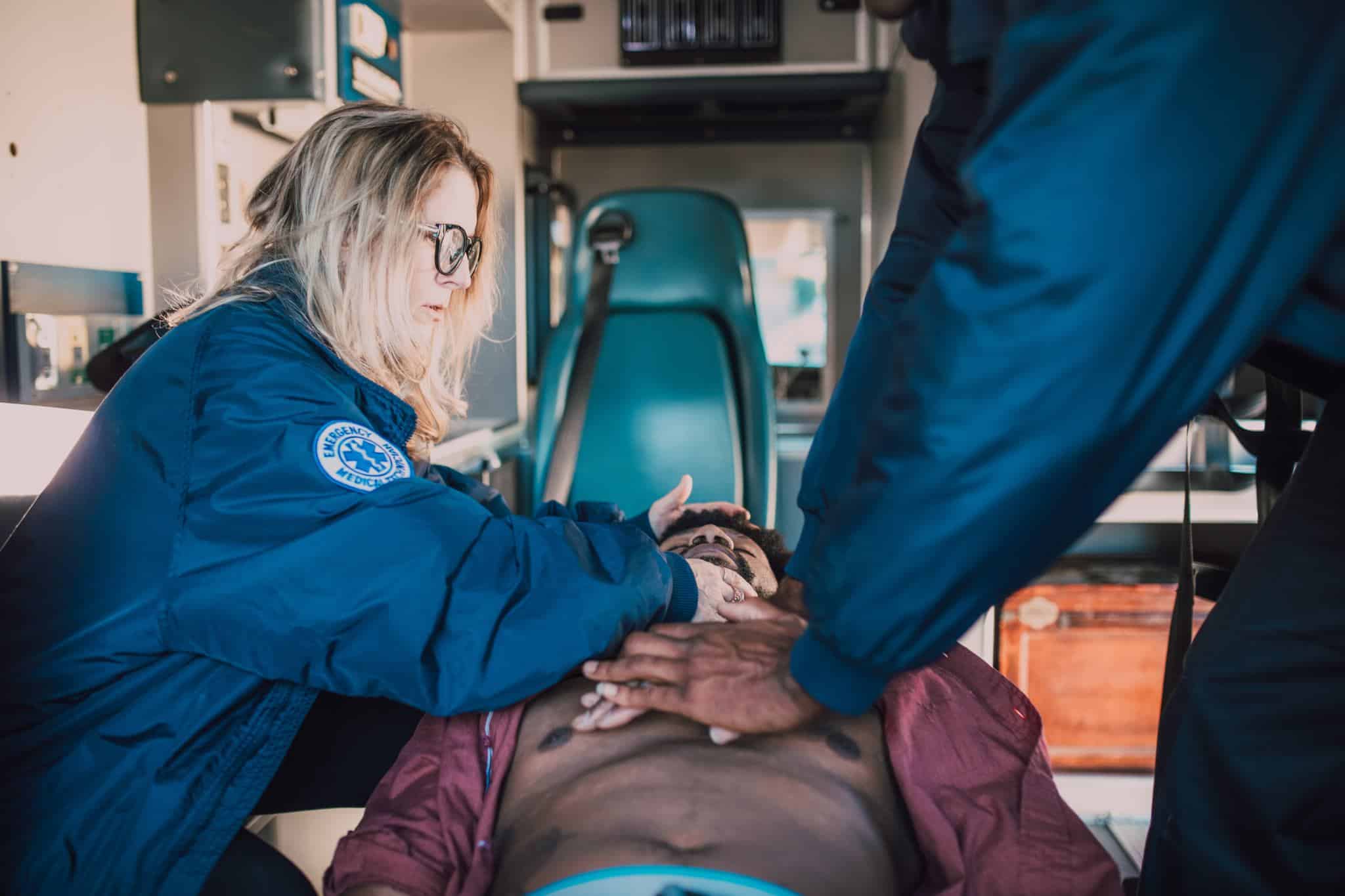
 First aid and CPR (cardiopulmonary resuscitation) are vital skills for promoting safety in homes, workplaces, and communities. These capabilities give individuals the confidence to respond effectively during emergencies, potentially saving lives. Being trained in essential emergency responses allows people to provide immediate assistance when accidents occur.
Immediate Response Saves Lives
Prompt action during a medical emergency can make all the difference. Individuals in first aid and CPR training can stabilize an injured person until professional help arrives. Early intervention can save lives, as minor injuries may become serious if ignored. Confidence in an urgent response allows a person to act decisively when every second counts. So it’s worth it to explore helpful education like with BLS Certification North York.
Minimizing Injury Severity
Proper first aid can reduce the severity of injuries and limit the need for extensive medical treatment. A trained individual can apply bandages, control bleeding, or support broken limbs until help arrives. Timely care helps prevent complications, infections, or further damage. The initial moments after an injury often determine the outcome.
Fostering Community Confidence
When more people in a community possess emergency response skills, everyone benefits. Trust grows when neighbors know help is available nearby. Sharing safety knowledge strengthens support networks and encourages collaboration in homes, workplaces, and public spaces.
Workplace Safety Enhancement
Many companies invest in first aid and CPR training for staff, recognizing its life-saving potential. Trained employees can respond effectively to incidents, protecting colleagues and minimizing business interruptions. A safe work environment enhances employee morale, health, and productivity.
Reducing Recovery Times
Early intervention can significantly shorten recovery times. Quick treatment reduces the severity of injuries, preventing long-term complications or disabilities. Prompt care allows individuals to return to normal routines sooner, reducing emotional and financial stress.
Building Personal Confidence
Learning first aid and CPR empowers individuals to act confidently in emergencies rather than panic. This confidence benefits not only the trained person but also others who witness the incident. Calm, decisive action in high-stress situations can save lives and prevent further harm.
Promoting Family Safety
Having at least one trained household member provides extra peace of mind. Parents or guardians can respond effectively when children sustain injuries, reducing the risk of serious harm. Knowledgeable, timely responses protect family members and create reassurance during emergencies.
Raising Awareness and Prevention
First aid and CPR training often includes education about common hazards and prevention strategies. Awareness encourages safer behaviors at home, school, and work, reducing the likelihood of accidents. Promoting a mindset of prevention helps create safer environments for everyone.
Meeting Legal and Social Responsibilities
In some contexts, first aid and CPR certification fulfill legal requirements. Schools, childcare centers, and public facilities may mandate staff training. Compliance demonstrates social responsibility and care for others’ well-being, fostering trust within communities and organizations.
Encouraging Lifelong Learning
Emergency response skills must be updated regularly to remain effective. Refresher courses and continuous practice ensure that individuals stay prepared for evolving safety standards. Lifelong learning supports personal growth and helps cultivate a broader culture of safety.
Conclusion
First aid and CPR training are essential lifelong skills for individuals, families, workplaces, and communities. These abilities create safer environments, build confidence, and save lives. Investing in emergency response education is an investment in well-being, enabling more people to respond effectively in critical moments.
P.S. Before you zip off to your next Internet pit stop, check out these 2 game changers below - that could dramatically upscale your life.
1. Check Out My Book On Enjoying A Well-Lived Life: It’s called "Your To Die For Life: How to Maximize Joy and Minimize Regret Before Your Time Runs Out." Think of it as your life’s manual to cranking up the volume on joy, meaning, and connection. Learn more here.
2. Life Review Therapy - What if you could get a clear picture of where you are versus where you want to be, and find out exactly why you’re not there yet? That’s what Life Review Therapy is all about.. If you’re serious about transforming your life, let’s talk. Learn more HERE.
Think happier. Think calmer.
Think about subscribing for free weekly tools here.
No SPAM, ever! Read the Privacy Policy for more information.
One last step!
Please go to your inbox and click the confirmation link we just emailed you so you can start to get your free weekly NotSalmon Happiness Tools! Plus, you’ll immediately receive a chunklette of Karen’s bestselling Bounce Back Book!


