 Many people in helping roles — nurses, teachers, counselors, even family caregivers — often reach a point where their kindness begins to drain them. The World Health Organization recognizes burnout as a major concern for people in these professions. It’s not always easy to see it coming. At first, you might just feel tired or frustrated, but over time, the emotional weight of helping others can start to feel unbearable.
If you’ve ever felt guilty for wanting a break, or found yourself emotionally numb after listening to someone else’s pain, you’re not alone. Learning to balance compassion with self-care isn’t about caring less — it’s about staying healthy enough to keep caring at all. This article explores how to help and protect your mental and emotional wellbeing while continuing to support others effectively.
1. Why People Who Care Often Ignore Their Own Needs
People who naturally care for others tend to put themselves last. They often believe that being selfless is part of doing good work, so they ignore their own needs.
This pattern is especially common among those in emotional or caregiving professions. Counselors, nurses, and social workers are trained to focus on others’ wellbeing, but without the right guidance, they can easily cross the line between empathy and overextension. That’s why professional education now places a stronger emphasis on self-care and emotional regulation.
For instance, those pursuing a clinical social worker degree study the importance of setting boundaries and recognizing early signs of compassion fatigue. They learn that sustainable empathy isn’t about giving endlessly — it’s about understanding human behavior, managing emotional load, and maintaining personal balance. This kind of training helps caregivers support others without losing their sense of self in the process.
When helpers begin to see self-care as part of their professional responsibility, rather than a personal indulgence, they’re less likely to burn out. Understanding that your wellbeing directly affects how effectively you can help others is what transforms care from a draining task into a sustainable, fulfilling commitment.
2. The Hidden Physical and Emotional Cost of Constant Giving
When you spend most of your time supporting others, your body and mind eventually show signs of strain. Chronic stress can affect sleep, digestion, and concentration. Emotionally, you may feel empty or resentful. These are not personal failings — they’re the body’s signals that it needs rest and recovery.
Caregiving, counseling, and social work demand high emotional labor. Without balance, this can lead to irritability, low motivation, or even health problems. Paying attention to how your body reacts under pressure is an important part of staying healthy in any helping profession.
3. Setting Boundaries Without Feeling Selfish
Setting boundaries doesn’t mean shutting people out. It means deciding how much emotional energy you can give without harming yourself. It’s a practical form of self-respect. For many helpers, this can feel uncomfortable at first. Saying no might bring feelings of guilt, especially if you’re used to always saying yes.
Start small. Set clear work hours. Turn off your phone during personal time. Be honest about what you can and cannot do. Healthy boundaries don’t reduce your compassion — they protect it. They help you stay present and engaged instead of drained and disconnected.
4. Spotting the Signs That You’re Reaching Your Limit
Emotional overload rarely happens overnight. It begins with small signs that are easy to overlook. You might find yourself snapping at loved ones, dreading conversations, or feeling physically exhausted after a normal workday. Sometimes you might even lose interest in the things you once enjoyed.
These signs are warnings, not weaknesses. Paying attention to them allows you to act before burnout takes hold. Short daily check-ins help — ask yourself if you’re feeling calm, tense, or detached. Journaling or simply noting your mood can help you see patterns over time. Awareness is the key to early recovery.
5. Self-Care Habits That Actually Make a Difference
Many people think of self-care as a luxury, but for those who work in demanding emotional roles, it’s a necessity. The key is to focus on habits that restore real energy — not just short-term distractions. Regular physical activity, quality sleep, and balanced nutrition all have proven effects on mood and stress regulation.
Mindfulness practices such as deep breathing or brief meditations can also help calm the body’s stress response. Even five minutes of stillness between appointments can make a noticeable difference. Another effective habit is spending time on hobbies unrelated to work. Activities like gardening, reading, or cooking allow the brain to recharge and reduce emotional fatigue. Self-care doesn’t need to be elaborate — it just needs to be consistent.
6. Finding Strength in Supportive Connections
No one can handle constant emotional demands alone. Building a reliable support system is essential. This might include trusted coworkers, mentors, or friends who understand the nature of your work. Talking openly about emotional strain can prevent feelings of isolation, which are common among caregivers and helping professionals.
Peer support groups, both in-person and online, offer a safe space to share experiences and coping strategies. Regular supervision or consultation is also important in clinical settings. These discussions allow professionals to reflect on difficult cases, gain perspective, and reduce emotional burden. Having people who truly understand your challenges creates balance and helps sustain motivation.
7. Reflection as a Tool for Long-Term Growth
Reflection is more than thinking about your day; it’s about understanding how your experiences shape your reactions. Taking time to reflect helps you notice patterns — when you feel most energized or when certain situations leave you drained. This awareness leads to better decisions about how to manage your time and emotions.
Keeping a brief journal or even recording quick voice notes can make reflection easier. Some professionals use supervision or therapy to process their thoughts. Reflection helps you stay aware of your limits, but it also shows how you’re growing in your role. Over time, it becomes a powerful habit that strengthens emotional intelligence and resilience.
Helping others is valuable, but it shouldn’t come at the cost of your health or peace of mind. Recognizing your limits, setting boundaries, and maintaining daily self-care are not signs of weakness — they’re signs of wisdom. The most effective helpers are those who protect their energy so they can keep showing up for others with clarity and empathy.
Learning to help without losing yourself is a continuous process. It’s about balance, awareness, and steady self-compassion. When you care for yourself as much as you care for others, you create the space to keep making a difference — without losing who you are in the process.
P.S. Before you zip off to your next Internet pit stop, check out these 2 game changers below - that could dramatically upscale your life.
1. Check Out My Book On Enjoying A Well-Lived Life: It’s called "Your To Die For Life: How to Maximize Joy and Minimize Regret Before Your Time Runs Out." Think of it as your life’s manual to cranking up the volume on joy, meaning, and connection. Learn more here.
2. Life Review Therapy - What if you could get a clear picture of where you are versus where you want to be, and find out exactly why you’re not there yet? That’s what Life Review Therapy is all about.. If you’re serious about transforming your life, let’s talk. Learn more HERE.
Think happier. Think calmer.
Think about subscribing for free weekly tools here.
No SPAM, ever! Read the Privacy Policy for more information.
One last step!
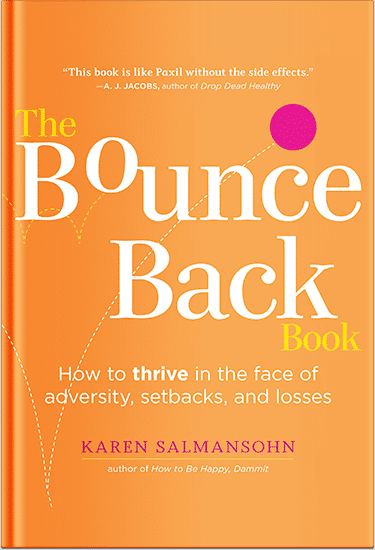
Please go to your inbox and click the confirmation link we just emailed you so you can start to get your free weekly NotSalmon Happiness Tools! Plus, you’ll immediately receive a chunklette of Karen’s bestselling Bounce Back Book!