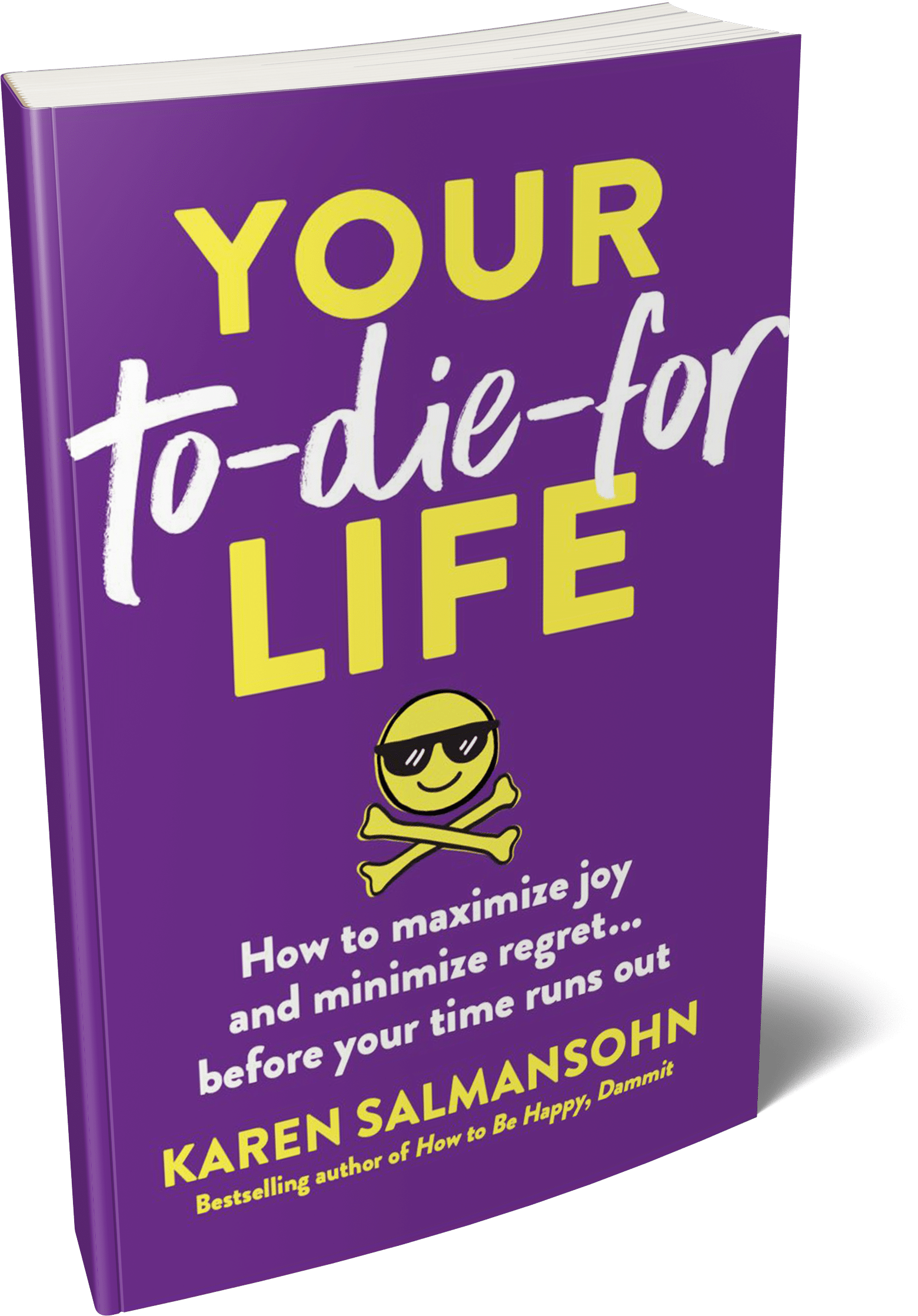

Get A Sneak Peek at my book “Your To-Die-For Life”!
Get a FREE sneak peek! Learn how to use Mortality Awareness as a wake up call to live more boldly.


 Explore how ADHD affects relationships, what symptoms to look out for, and why understanding these dynamics is key to emotional intimacy and connection.
In a relationship with a partner, we always strive for closeness, trust, mutual understanding, and stability. However, when one of the partners lives with Attention Deficit Hyperactivity Disorder (ADHD), it may seem that these goals may feel out of reach, but they are fully attainable with understanding and adaptation. Symptoms such as impulsivity, distractibility, forgetfulness, and emotional instability directly affect the daily interactions that shape the relationship between partners.
Often, partners don’t suspect that their frequent conflicts may be rooted in ADHD characteristics. This isn’t because partners are indifferent or inattentive. It’s simply that ADHD behavior can seem quite ordinary. Just forgetfulness, or regular irritability, absentmindedness — and it’s not immediately perceived as a manifestation of neurodivergence. But over time, misunderstandings and feelings of distance accumulate. Therefore, the first and most important step towards support, acceptance, and building healthier relationships is awareness about ADHD manifestations and why it’s so important to distinguish it from “unpleasant” character traits.
In such couples, understanding and knowledge of a partner’s neurodivergent traits can significantly improve interaction dynamics. Self-awareness tools can help with this. For example, there’s an informative discussion in the forum about what is Liven. It’s a quite convenient system that helps track emotional patterns, identify recurring triggers, monitor progress in managing reactions, develop mindfulness, and form a stable, balanced daily routine. Users often note that such solutions help notice emotional shifts in advance, avoid overload, and better cope with difficult days without irritation and conflicts. That’s why such applications are especially effective in couples where one partner lives with ADHD, allowing both partners to better understand each other’s emotions, notice recurring situations while maintaining their usual rhythm of life. It also helps reduce the number of conflicts and helps the partner without ADHD feel more confident.
For each person, depending on age and situation, ADHD symptoms can manifest differently. But in the context of close relationships, they most often appear in these areas:
In such situations, it’s essential to recognize that this is not about a person’s character or upbringing, nor is it about selfishness or a lack of love. These are manifestations of neurodivergence that can be learned to understand and are important to take into account.
Sharing life with a partner who has ADHD can bring unique challenges that affect both people, but it also offers opportunities for mutual growth and deeper understanding when approached with empathy and openness. Such relationships require a great deal of patience, flexibility, and empathy, because partners often face:
That is why it is extremely important to understand how ADHD affects relationships — it helps to rethink the partner’s behavior and reduce tension in the relationship. Otherwise, if a partner does not understand the cause of these difficulties, they may feel unloved, humiliated, or unworthy of attention.
To better cope with tense moments and improve mutual understanding, we suggest trying these few strategies that can help create more stability and trust in the relationship:
It’s also worth considering digital tools that support self-reflection and regulation. For example, planners, reminders, or AI companion guidance.
For both partners, it’s important to know how ADHD affects relationships because it helps them understand each other’s feelings and behaviours more effectively, cuts away from fights, and brings back emotional closeness. Having ADHD in a relationship doesn’t mean that the people in it are going to collapse. It means they need to learn more, care more, and maybe even get more tools, because ADHD is more than just knowing the symptoms.
P.S. Before you zip off to your next Internet pit stop, check out these 2 game changers below - that could dramatically upscale your life.
1. Check Out My Book On Enjoying A Well-Lived Life: It’s called "Your To Die For Life: How to Maximize Joy and Minimize Regret Before Your Time Runs Out." Think of it as your life’s manual to cranking up the volume on joy, meaning, and connection. Learn more here.
2. Life Review Therapy - What if you could get a clear picture of where you are versus where you want to be, and find out exactly why you’re not there yet? That’s what Life Review Therapy is all about.. If you’re serious about transforming your life, let’s talk. Learn more HERE.
Think about subscribing for free weekly tools here.
No SPAM, ever! Read the Privacy Policy for more information.
